
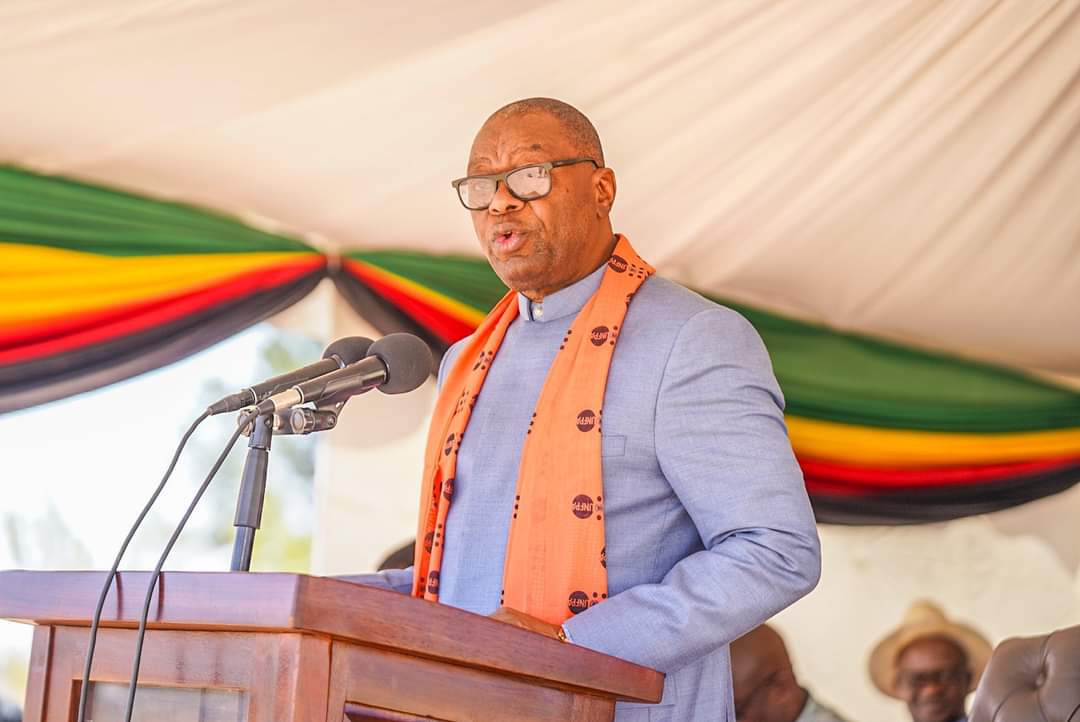
The recent announcement that Zimbabwe will launch its long-awaited National Health Insurance (NHI) scheme in June 2026 marks one of the most significant policy developments in the nation’s post-independence health trajectory. For too long, the majority of citizens have lived without adequate financial protection against illness, with only 13 percent of the population covered by medical aid schemes. The promise of a publicly backed insurance system that guarantees access to healthcare without crippling out-of-pocket costs is not merely an administrative reform; it is a moral, social and economic breakthrough that deserves commendation.
Health, as the Secretary for Health and Child Care, Dr Aspect Maunganidze, rightly put it, “is not an expense; it is an investment.” This shift in language is important. For decades, healthcare has been treated as a burden on the fiscus rather than a cornerstone of national productivity. Yet, the evidence is overwhelming: a healthy population is more productive, innovative and resilient. Every dollar invested in health not only saves lives but also reduces future economic costs associated with disease, absenteeism and premature mortality.
The NHI has been on Zimbabwe’s policy agenda for over two decades, often discussed but never implemented. That it has now reached the stage of a refined Bill awaiting parliamentary approval is testament to political will and strategic focus. The Minister of Health and Child Care, Dr Douglas Mombeshora, has outlined a clear roadmap: the Cabinet has already approved the guiding principles; the second draft of the Bill has been completed; and revenue streams have been identified in consultation with the Ministry of Finance.
This progress shows that the government has moved beyond rhetoric. Taxes such as the sugar levy and airtime tax, once viewed as narrow revenue streams, are being ring-fenced to fund health provision. This is a progressive step, ensuring that funds are not swallowed by the general fiscus but dedicated to their intended purpose. The existing AIDS Levy has already demonstrated the power of a targeted contribution: it has helped sustain critical programmes even during times of donor withdrawal. Expanding this model to a broader, national insurance fund is both logical and necessary.
Zimbabwe’s health sector has long been vulnerable to the vagaries of international donor support. While development partners remain crucial, reliance on them exposes the nation to abrupt shocks. The withdrawal of United States Government funding from key programmes has left painful gaps in the fight against HIV, TB and malaria. This reality underlines the urgency of developing sustainable, home-grown financing mechanisms.
The Abuja Declaration of 2001, which obliges African states to commit at least 15 percent of their national budgets to health, has often been cited but rarely implemented with fidelity. Zimbabwe now has an opportunity to align itself with this continental aspiration. By building a predictable and ring-fenced funding mechanism through the NHI, the government is signalling a decisive move towards independence in healthcare financing.
One of the greatest injustices in the current system is that illness often pushes households into poverty. Consultation fees, diagnostic tests, surgical procedures and drug costs remain unaffordable for the majority. The proposed NHI benefit package — which will cover consultations, tests, treatment and even surgical interventions without upfront payment — promises to revolutionise the patient experience.
This move cannot be understated. For a small-scale farmer in Gokwe, a market vendor in Mbare or a retired pensioner in Bulawayo, the assurance that healthcare will no longer mean selling a goat, borrowing money or forgoing treatment altogether is a dignifying promise. The policy is therefore not only a health reform but also a social justice measure that restores equity and fairness to the system.