A new chapter is unfolding for Chitungwiza residents as the local authority, in partnership with Government and development partners, embarks on a major revamp of the town’s long-neglected sewer reticulation system.
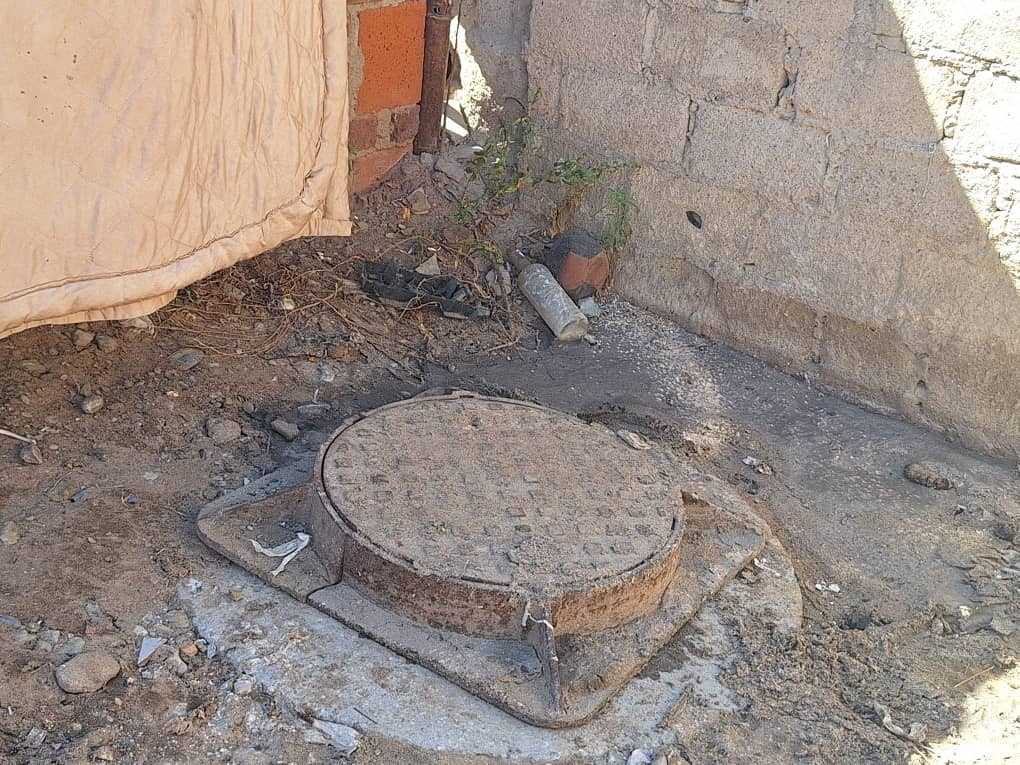
For years, residents of areas such as Zengeza and Seke have endured perennial sewage blockages and overflows, which not only created an unpleasant living environment but also exposed families to life-threatening water-borne diseases like cholera and typhoid. The situation had become so severe that raw sewage flowing in residential areas had become almost synonymous with the name Chitungwiza.
This is, however, set to change. The Zengeza Sewer Trunk rehabilitation project, which is currently underway, is repairing and replacing pipes that have outlived their lifespan. The initiative is part of wider Government developmental programmes aimed at modernising urban infrastructure and improving public health conditions.
During a field visit to the Zengeza sewer treatment plant, recently, Harare, Metropolitan Minister of State for Provincial Affairs and Devolution, Senator Charles Tawengwa, emphasised the significance of the project.
“Works that are underway in the Zengeza 4 Pagomba area and along the Zengeza Main Sewer line are part of efforts to improve sanitation infrastructure in the area. This is part of our commitment to addressing sewer challenges across all affected areas of Chitungwiza, not just Zengeza,” he said.
The contractor, Infradevcor, outlined the scope of the rehabilitation works, which involve laying 600mm and 800mm Glass Reinforced Plastic (GRP) pipes to replace the outdated system. Engineer Mapuranga explained that while some properties encroaching on pipeline servitudes may be affected, disruptions will be temporary, with walls or barriers only removed to allow access to the sewer line.
Residents also expressed cautious optimism.
“This was overdue as these pipes have been in use for over 50 years, hence the blockages and spills we have been experiencing. We welcome the development and hope the water situation also improves,” said one resident.
Another resident, Tichaona Dororo, highlighted that for the first time, the authorities have done something right.
“We always complain about burst sewer pipes, and if you go towards some houses, you will see raw sewer flowing. This project is a relief and will save our children from diseases like cholera and typhoid,” he said.
The local authority revealed that the old pipes were installed in 1976 and had long exceeded their design capacity. The new infrastructure will directly benefit over 40,000 residents, improving sanitation and restoring dignity to the community.
Once completed, the project is expected to not only resolve chronic sewer blockages but also restore confidence in municipal service delivery. For Chitungwiza, long plagued by poor infrastructure, this marks the beginning of a cleaner, healthier, and more sustainable future.