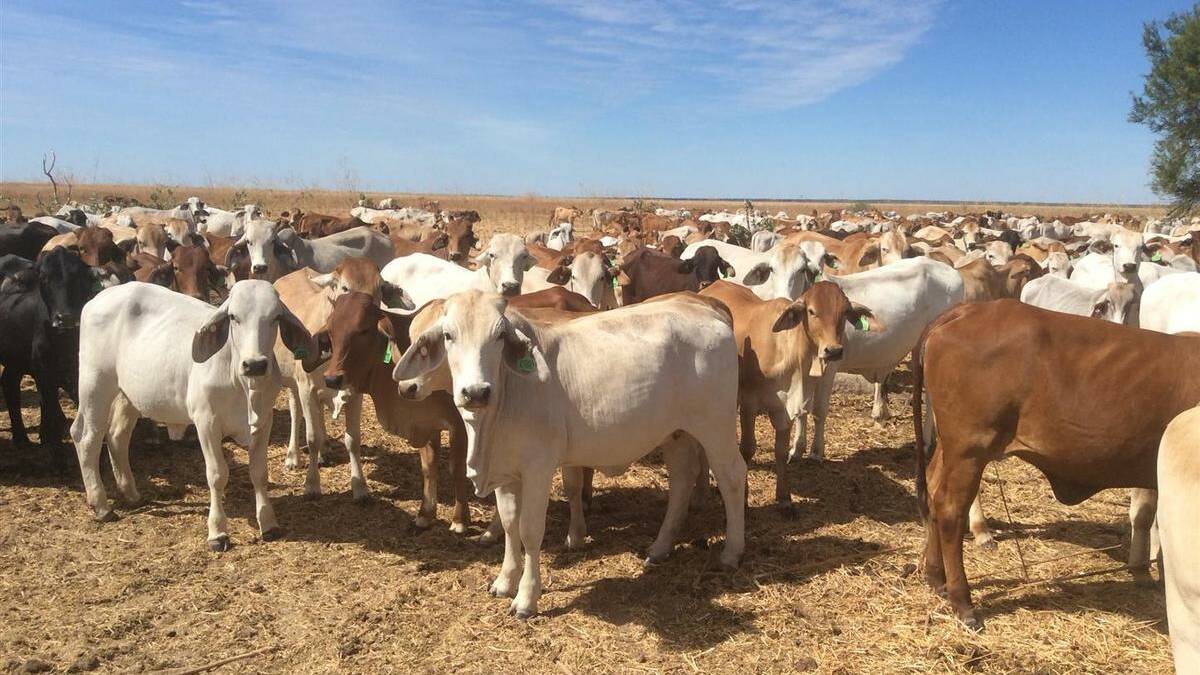
Zimbabwe’s national cattle herd has continued its upward trajectory, reaching 5.7 million, marking a two percent increase from the previous year, according to updates presented in Parliament this week.
The progress comes as the country targets a national herd of 12 million cattle by 2034, supported by expanded disease control measures and improved access to livestock vaccines.
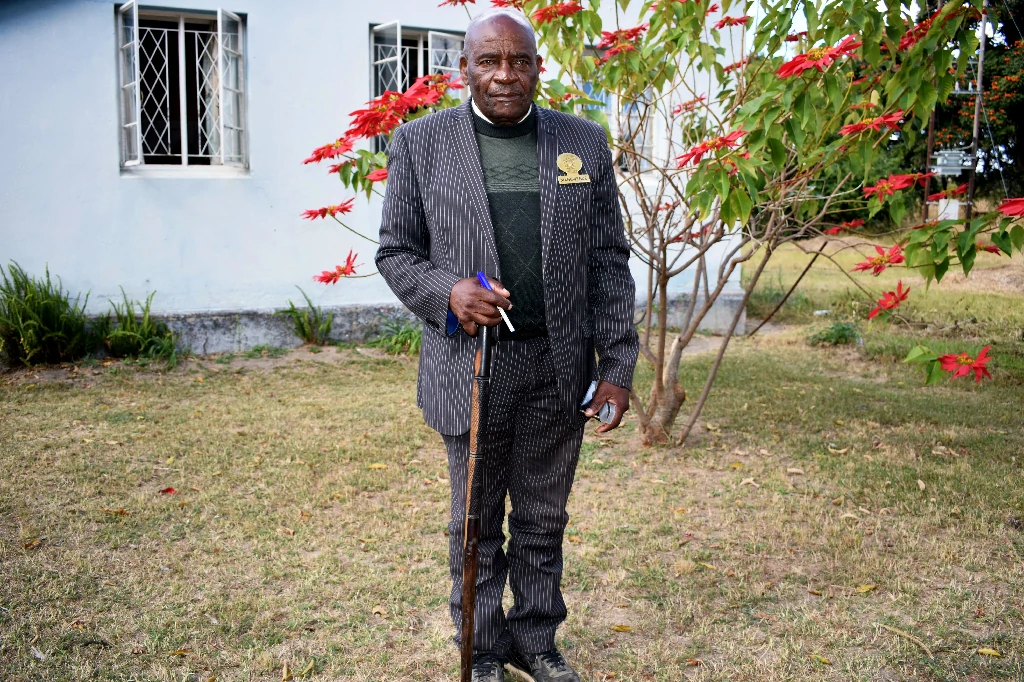
During the National Assembly’s question and answer session yesterday, Minister of Lands, Agriculture, Fisheries, Water and Rural Development, Dr Anxious Masuka, said efforts to safeguard livestock from tick-borne diseases are bearing fruit.
“Contrary to popular belief, our national herd is actually growing. We have ensured that vaccines are available, especially in high-risk areas, to protect cattle and secure livestock production,” he said.
Beyond agriculture, legislators raised concerns on a range of national development issues including education, infrastructure, and public services.
The rise of unregistered private schools came under scrutiny, with authorities giving operators until December to formalise their institutions.
The extension aims to safeguard learners while bringing schools into compliance with national standards.
“We are aware of the proliferation of these schools and have given a grace period to allow them to register. Come January, action will be taken against those who remain non-compliant,” said Minister of Primary and Secondary Education, Honourable Torerayi Moyo.
Questions were also raised on the durability of newly constructed roads, particularly in the face of increasing traffic volumes and heavy-duty vehicles. Lawmakers called for stricter enforcement of weight regulations.
“There are ongoing considerations to set up more weighbridges along highways to ensure compliance with load limits. This will help extend the lifespan of our roads,” said Leader of Government Business in the National Assembly, Honourable Ziyambi Ziyambi.
In addition, issues such as climate-resilient infrastructure, water harvesting, and public transport availability were brought forward, with members urging long-term planning and investment to address recurring challenges in rural and urban communities.
The session reflected growing pressure on service delivery sectors to match economic and population growth, while also pointing to areas of progress such as livestock production and education reforms.