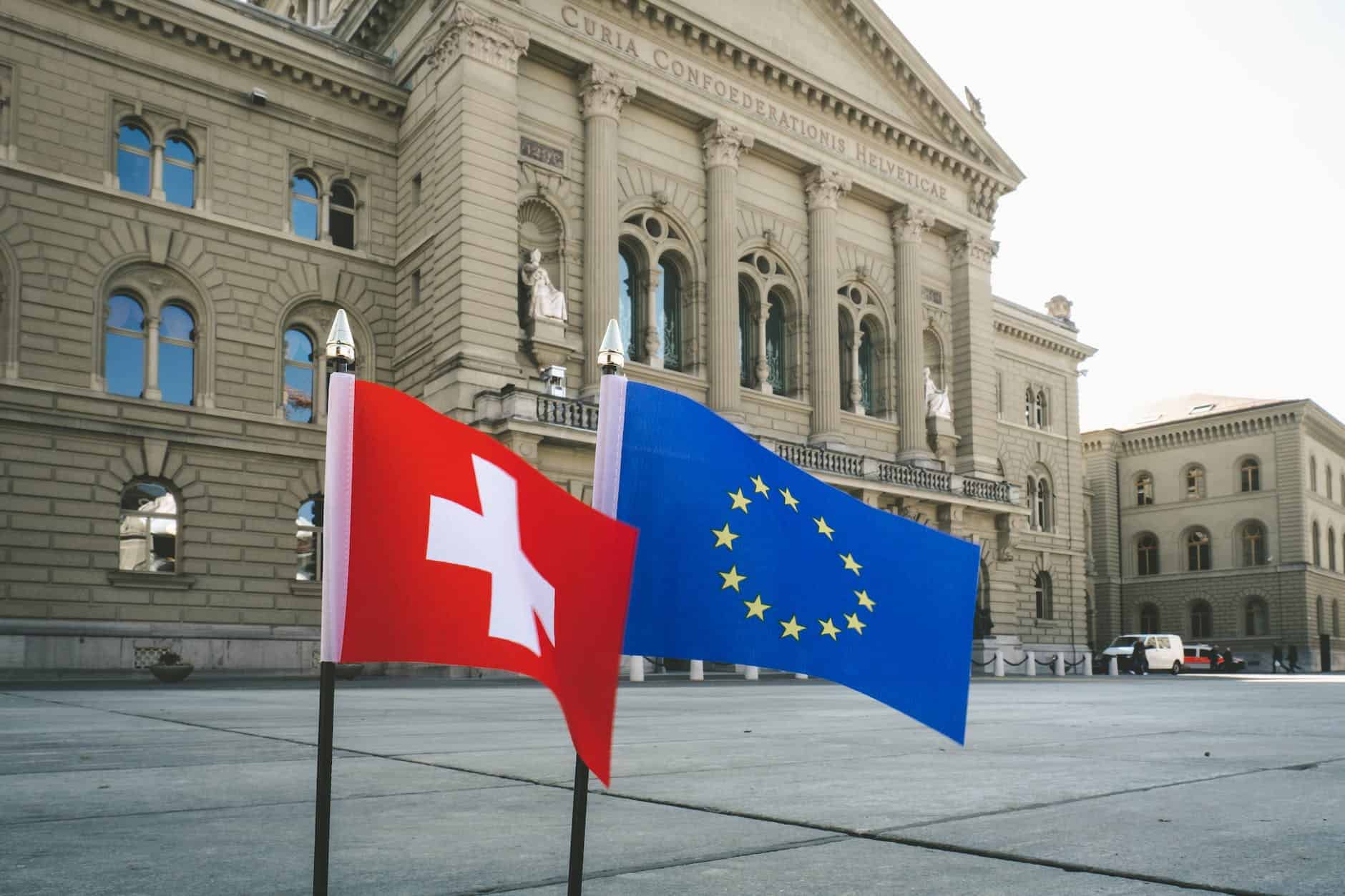
The Swiss government has announced significant updates to its financial sanctions policy, making specific revisions to its long-standing measures against Zimbabwe. The changes, designed to align with modern humanitarian and financial standards, took effect from 15 September 2025.
The newly adopted “Ordinance on the Harmonisation of Sanctions Ordinances” introduces broader exemptions for humanitarian activities. Under the updated rules, transfers of funds or economic resources for recognized humanitarian purposes—such as those carried out by the United Nations or Swiss-supported aid agencies—will no longer be subject to automatic blocking.
Additionally, certain payments, including interest or funds from legal settlements, may now be deposited into frozen accounts, provided the sanctioned parties cannot access them. At the same time, Switzerland has enhanced transparency measures, expanding reporting requirements to include all organizations—not only banks—that hold Zimbabwe-related assets. These entities must now disclose such assets to the State Secretariat for Economic Affairs and report any new transactions involving frozen funds.
Swiss officials stated that the updates aim to ensure sanctions remain targeted at political and military elites without disrupting essential humanitarian aid. The revisions are part of a broader realignment of Switzerland’s sanctions framework, which also affects policies toward Belarus, Iran, Syria, and Ukraine.
There has been no immediate response from the Zimbabwean government, which has consistently criticized Western sanctions as an illegal form of economic pressure.