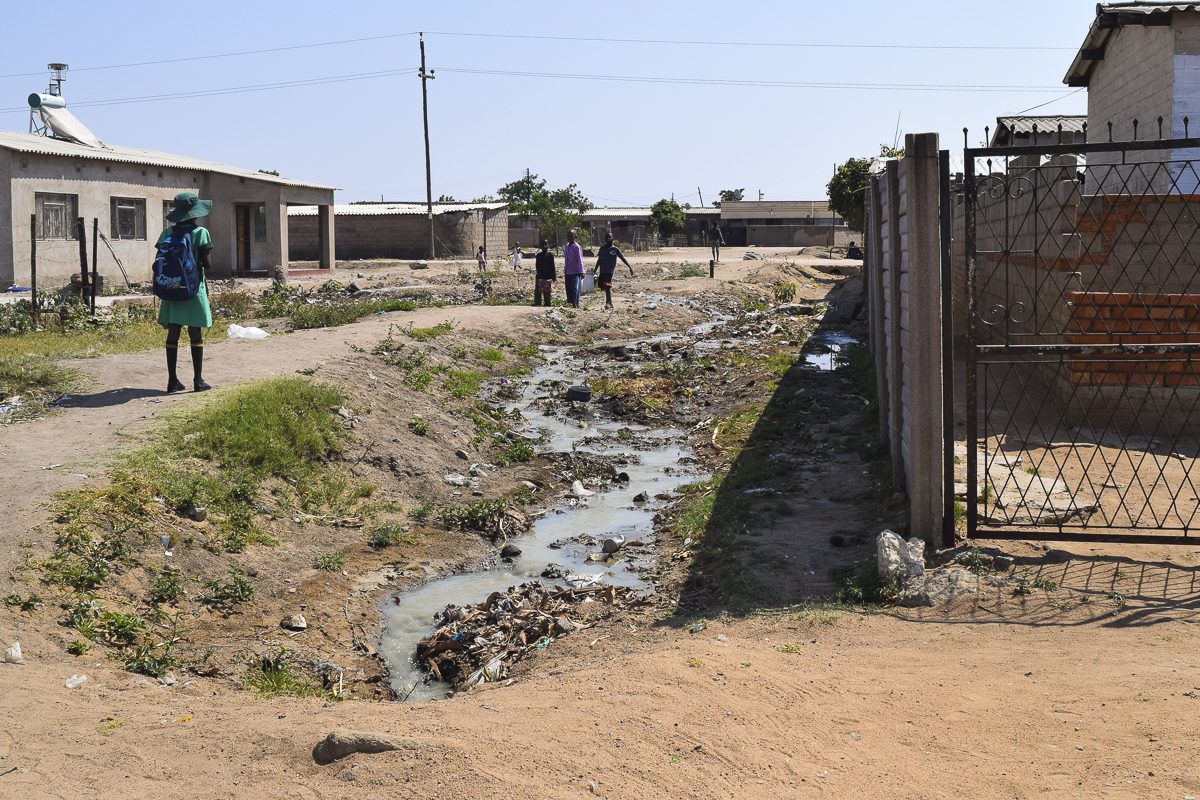
Residents of Harare’s Mufakose suburb are facing a worsening public health emergency as raw sewage floods homes, forcing many to flee their residences.
The crisis, which has persisted for over a month, has drawn widespread criticism for the Harare City Council’s apparent inaction.
The Combined Harare Residents Association (CHRA) has condemned the council for failing to address the sewer blockages.
“The City of Harare has been reluctant to resolve this issue, leaving residents to live amidst raw sewage for weeks. We are extremely concerned that the council’s negligence is putting families’ health at serious risk,” said CHRA chairperson David Pasipanodya.
Adding his voice to the growing alarm, Shalvar Chikomba, founder and chairman of the Zimbabwe National Organisation of Residents Trust (ZNOART), warned of looming disaster.
“This situation is unacceptable. Residents are constitutionally entitled to a safe environment, yet they are being exposed to disease because of council inaction. Immediate intervention is necessary before this escalates into a full-blown health crisis,” Chikomba said.
Residents themselves have shared their frustration and fear. Rutendo Dube, a local business owner, lamented, “My shop is right next to a burst sewer line, and customers no longer come near because of the stench and flies. I am losing income every single day.”
Tawanda Mhlanga, another resident, added, “We pay our rates, yet we are forced to live like this. Children are playing near contaminated water. This is not just poor service delivery; it is an attack on our dignity.”
According to local reports, outbreaks of diarrhoea and stomach ailments have already been recorded along Nondo Street, highlighting the urgent public health threat.
Complaints lodged at the Mufakose District office have reportedly gone unanswered, leaving residents with no recourse.
“This crisis is not confined to Mufakose alone. Similar issues are emerging across other Harare suburbs, including Kuwadzana and Glen View. Burst sewers, uncollected refuse, and erratic water supply are becoming the norm, reflecting a deep-seated governance failure in urban local authorities,” Chikomba added.
Both CHRA and ZNOART are calling for urgent policy reforms and stronger oversight to ensure councils fulfil their obligations. Pasipanodya emphasised,
As the crisis continues, residents are left questioning the priorities of their elected officials.
The ongoing neglect not only endangers public health but also erodes trust in the institutions meant to serve the people.
Unless swift and effective measures are implemented, the risk of a full-blown health disaster in Harare looms large.