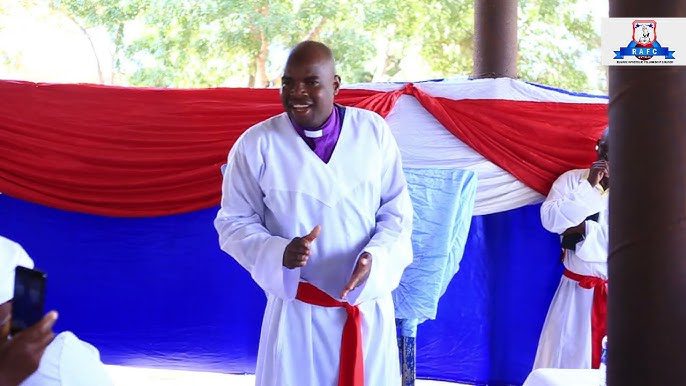
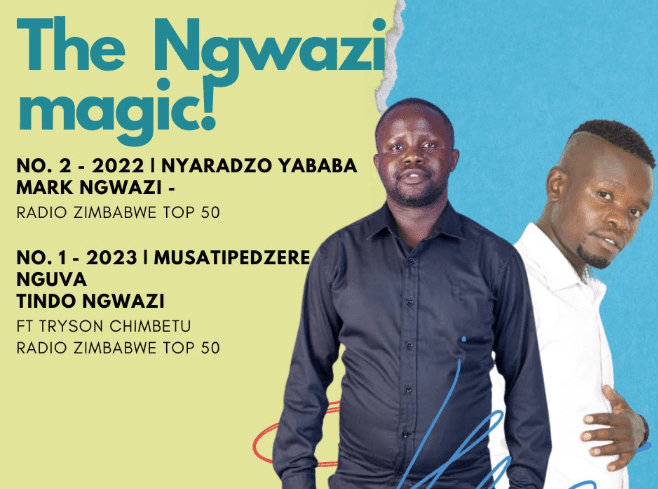
In Zimbabwe’s ever-competitive sungura music scene, two names are increasingly sparking conversation: Mark Ngwazi and his younger brother Tindo Ngwazi.
Their family bond and shared genre have naturally invited comparison, and among fans, debate continues to grow over who is the better of the two.
Mark Ngwazi has carved out a reputation as one of the most consistent figures in contemporary sungura, steadily releasing albums that have resonated with audiences nationwide.
His discography is both rich and varied, with works such as Nharo Nezvinenharo, Charger Yetsono, Gudo Muriwo, and Zvandigumbura. His latest offering, Huzukwende, has been hailed by admirers as among his best yet, with songs like “Muchazvirega” and “Murudo” securing radio play and solidifying his standing as one of the heirs to the great sungura tradition.
Critics and fans alike point to his lyrical depth and authentic sound as reasons why he continues to lead the pack.
Tindo Ngwazi, by contrast, is still building his catalogue and reputation, but he has quickly earned a loyal following who appreciate his fresh energy and willingness to experiment.
He has spoken openly in interviews about the importance of fair contracts and protecting his brand, positioning himself as both a musician and a businessman alert to the pitfalls of the industry.
Although his discography is not as extensive as his brother’s, those who have attended his live performances speak highly of his charisma and the modern touches he brings to a genre deeply rooted in tradition.
Inevitably, rumours of rivalry between the two brothers have circulated, with the media often painting the picture of tension.
Mark himself has dismissed talk of “bad blood,” telling interviewers that misunderstandings have been exaggerated and that he remains focused on the music.
Yet the comparisons persist. One fan recently declared online that Huzukwende was “Mark Ngwazi’s best so far,” while another insisted that Tindo represents “the future of sungura,” urging listeners to give him time and space to mature artistically.
Social media groups dedicated to the genre regularly feature spirited debates, with some arguing that Mark’s experience and body of work cannot be matched, while others prefer Tindo’s youthful creativity and boldness.
What emerges from these exchanges is not simply a battle between two brothers but a snapshot of sungura itself, a genre negotiating its past, present, and future. Mark embodies continuity, discipline, and the assurance of a proven track record, while Tindo carries the promise of innovation and a willingness to challenge conventions.
For now, Mark appears to hold the upper hand with his catalogue and wider reach, but there is no denying that Tindo’s star is rising steadily. For fans, the debate is far from settled—and perhaps that is the very essence of sungura, a tradition that thrives on energy, rivalry, and the enduring love of the music.