
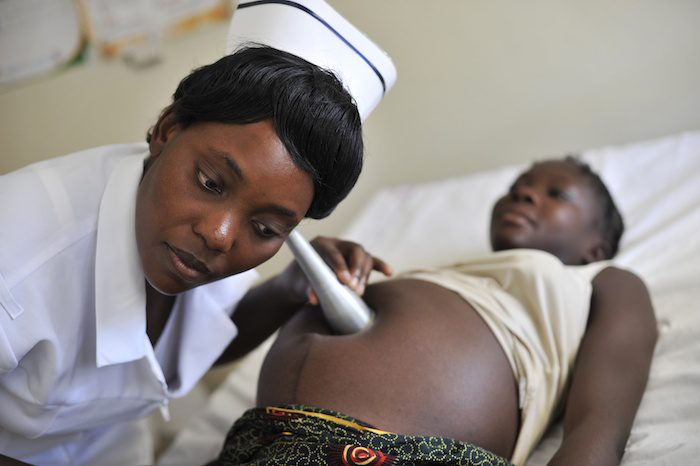
HARARE, Zimbabwe – In a significant public health victory, Zimbabwe’s healthcare system is being hailed for its remarkable progress in drastically reducing maternal mortality rates, with district hospitals like Sakubva in Mutare reporting near-elimination of deaths during childbirth.
This achievement, attributed to a multi-faceted government-led intervention strategy, marks a turning point in the nation’s commitment to safeguarding the lives of mothers and represents a giant leap towards achieving its Sustainable Development Goal (SDG) targets.
The transformation is starkly evident at Sakubva District Hospital. Mutare District Medical Officer, Dr. David Muchirewese, provided a powerful comparison: where the facility once grappled with 30 to 40 maternal deaths monthly just a few years ago, it has recorded only one such tragedy this entire year, down from five in the previous year.
“This is a very significant improvement,” Dr. Muchirewese stated, highlighting that the success is no accident. It is the direct result of intensive training programs, specifically the “Images of Maternal and Neonatal Care” training, which has empowered healthcare workers with critical skills.
“The training helped us in early identification of mothers at risk who are referred to the appropriate health centre level of care,” he explained. “We have new evidence and this is improving our response to emergencies. We have been able to respond to 90-95% of our emergencies.”
The hospital’s data is a testament to a system firing on all cylinders. With an average of 116 births per week, their emergency team expertly handles about 45 cases. Crucially, of the 21 most critical emergencies each week, all are now addressed within a “golden” 30-minute window—a benchmark for exceptional emergency obstetric care.
This success story is not isolated to Mutare. In Chipinge district, Medical Officer Dr. Ozimmo Matekenya reported similar strides, linking the positive outcomes directly to increased antenatal bookings. “Most pregnant mothers are now booking their pregnancies at our facilities, which is a plus to us,” Dr. Matekenya said. “As a result, we get good outcomes… reduced maternal mortality, reduced infant and child mortality as well.”
This nationwide push is driven by the Ministry of Health and Child Care’s steadfast focus. Mrs. Chipo Chimamise-Dembedza, the Ministry’s National Maternal Child Health Officer, recently reaffirmed the commitment to the SDG target. “The Sustainable Development Goals reflect a strong commitment to improving healthcare services and ensuring that no woman dies while giving birth,” she said. “The ministry’s ongoing efforts will be crucial in achieving this target and fostering a healthier future for Zimbabwean mothers.”
The dramatic decline in maternal deaths across these districts signals a healthcare system in renewal. Through strategic investment in training, data-driven emergency response, and encouraging early prenatal care, Zimbabwe is not just saving lives but is also building a stronger, more resilient foundation for the health of its nation for generations to come.