The National Director of the Zimbabwe Foundation for Education with Production (ZIMFEP), Cde Gideon Chiukira, has applauded the Government of Zimbabwe for its bold strides in mobilising domestic resources to sustain the country’s education sector despite enduring more than two decades of illegal economic sanctions.
Cde Chiukira was speaking at the 5th International Quality Education Conference, currently underway at the Julius Nyerere Convention Centre in Dar es Salaam, Tanzania.
Making his contribution during a panel discussion titled “Reimagining Financing Frameworks: Making Every Shilling Count for Education – Leveraging Tax Reforms to Fund Public Education,” he commended Zimbabwe’s determination to strengthen education funding through home-grown policies and innovations.
“Zimbabwe has been under illegal sanctions since the early 2000s, but the Government has been innovative in trying to minimise their effects on education. We have not waited for external partners, though we welcome their support. Instead, we have developed internal mechanisms to ensure that our children continue to access quality education,” said Cde Chiukira.
He highlighted that Zimbabwe’s education financing model draws from community-driven initiatives, notably the Community Share Ownership Scheme.
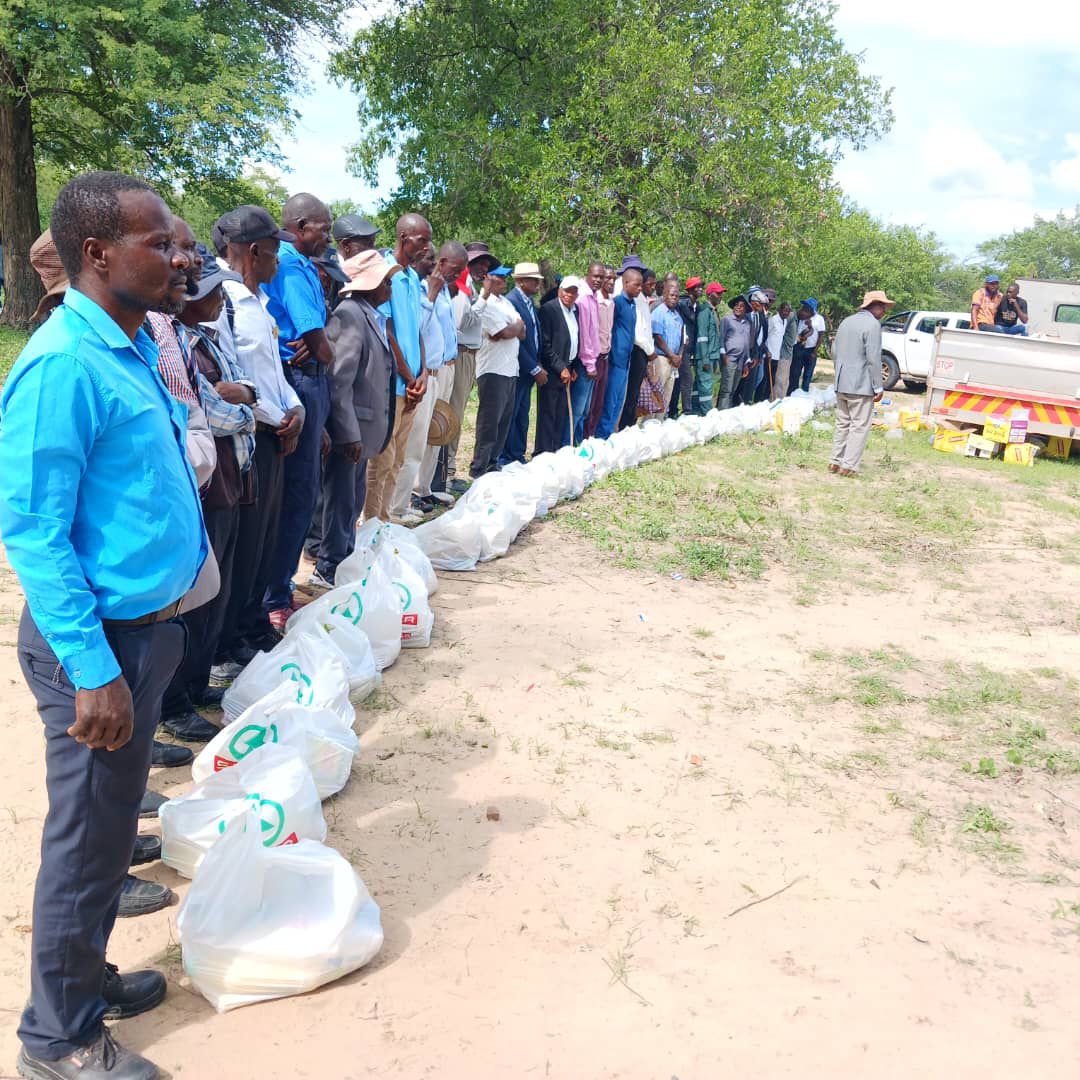
Under this policy, mining companies operating within local communities are compelled to allocate a percentage of their profits to community trusts.
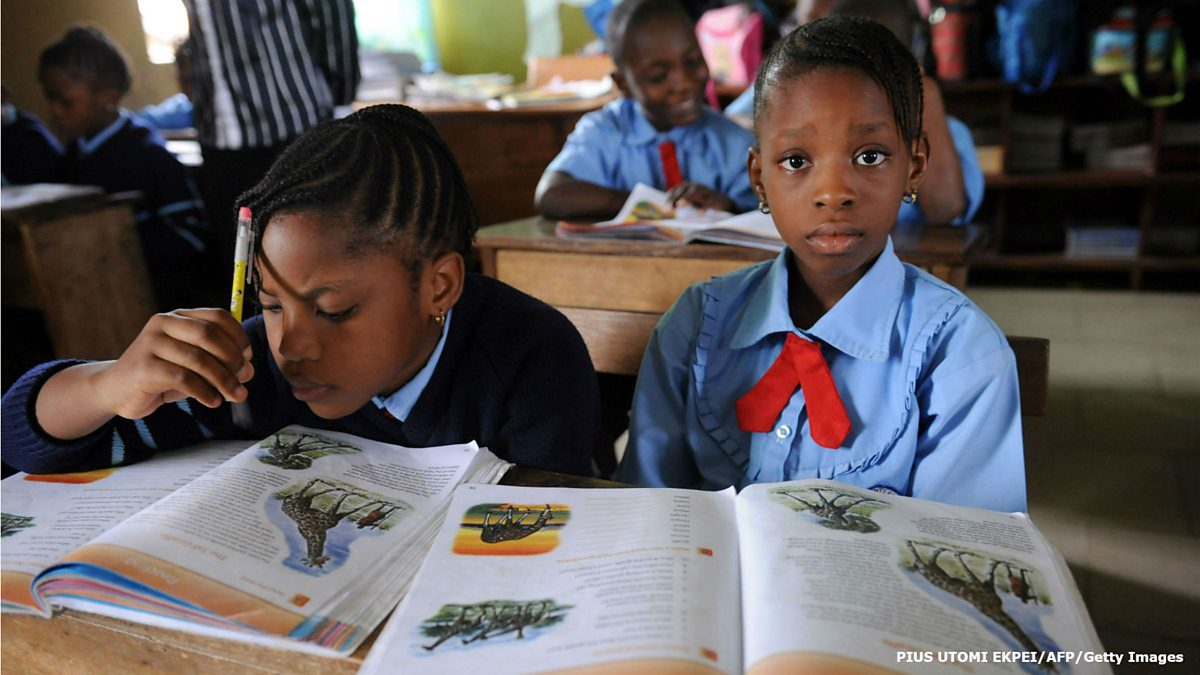
These funds are then channelled towards development projects, including the construction of schools, provision of learning materials and other education-related programmes.
“This model ensures that the wealth extracted from our natural resources directly benefits the communities and strengthens education financing. It is a way of making sure every dollar counts, even in the absence of external aid,” Cde Chiukira explained.
The conference, hosted by the Tanzania Education Network also known as Miradoa wa Elimu Tanzania, has drawn education policymakers, development partners and civil society representatives from across Africa.
The gathering seeks to explore innovative and context-relevant domestic resource mobilisation strategies that can sustainably support inclusive and quality education on the continent.
Held under the theme “Strengthening Systems and Investments: Advancing Domestic Resource Mobilisation for Inclusive, Quality and Sustainable Education in Africa,” the three-day event provides a platform for sharing best practices and forging partnerships aimed at reducing reliance on foreign aid.
Their participation underscores Zimbabwe’s commitment to strengthening education systems through local financing models, even in the face of persistent economic challenges.
The conference continues this week with further discussions on tax reforms, public investment strategies and the role of community participation in achieving education for all.