Chitungwiza residents can finally breathe a sigh of relief after the Government released part of the US$2.2 million required to overhaul the town’s long-neglected sewer system. The disbursement marks the beginning of a critical rehabilitation project targeting the Zengeza Outfall Sewer Line, a move set to restore dignity and improve sanitation for thousands of families who have lived under the constant threat of sewage overflows.
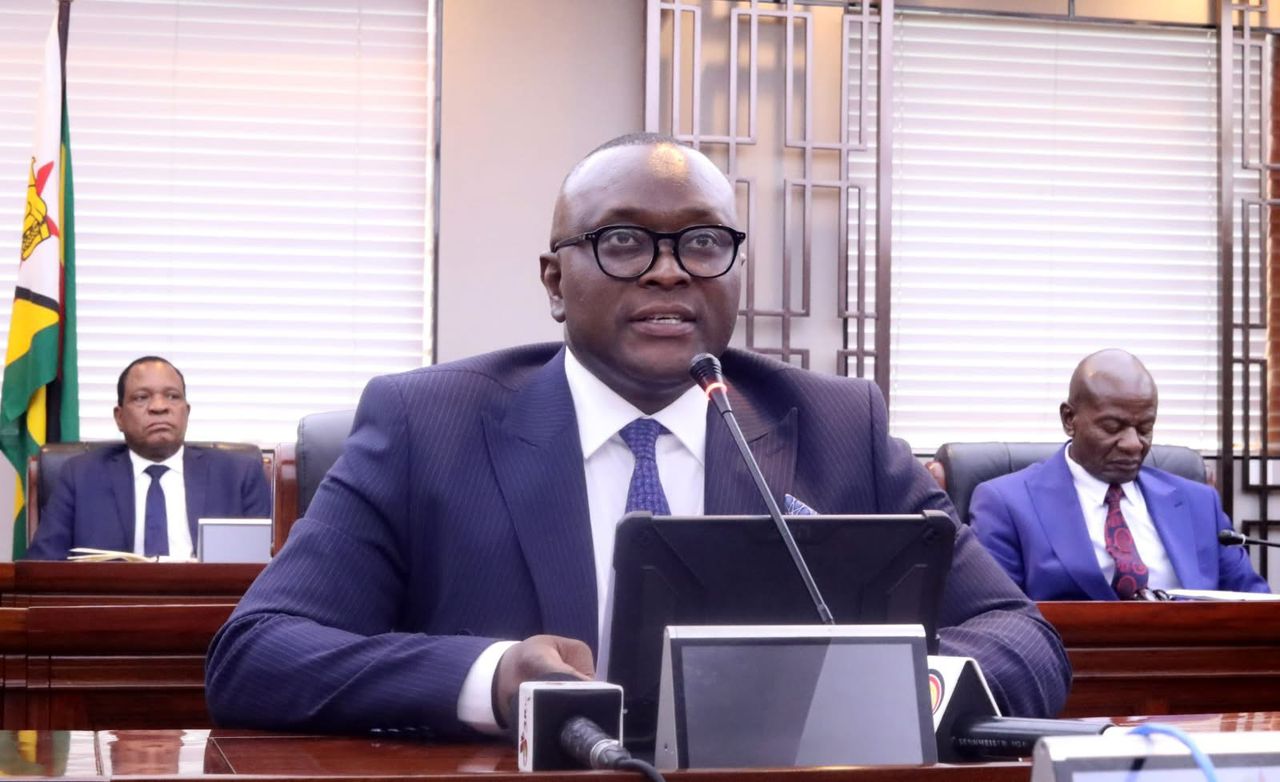
Speaking with the media yesterday, Harare Metropolitan Minister of State for Provincial Affairs and Devolution, Senator Charles Tawengwa, reaffirmed Government’s commitment to seeing the project through.
“We have seen progress made so far, and as the Government, we will continue releasing these funds to improve service delivery in Chitungwiza. We have engaged various partners to ensure the success of the project, and we are pleased that implementation is underway.
“Beyond sanitation, the project aligns with the National Development Strategy 1 (NDS1), which places infrastructure development at the heart of Zimbabwe’s modernization agenda. Improved sewer reticulation not only restores public confidence in service delivery but also protects communities from waterborne diseases and environmental hazards,” he said.
Authorities share this optimism. Chitungwiza Municipality, working in partnership with key stakeholders, has already commenced phased works to replace old concrete sewer pipes with modern infrastructure.
“What we are doing is the replacement of old concrete pipes. We are implementing the project in two phases. We are now doing 9.8 kilometres,” explained Engineer Joseph Zenda, Project Works Manager at Chitungwiza Municipality.
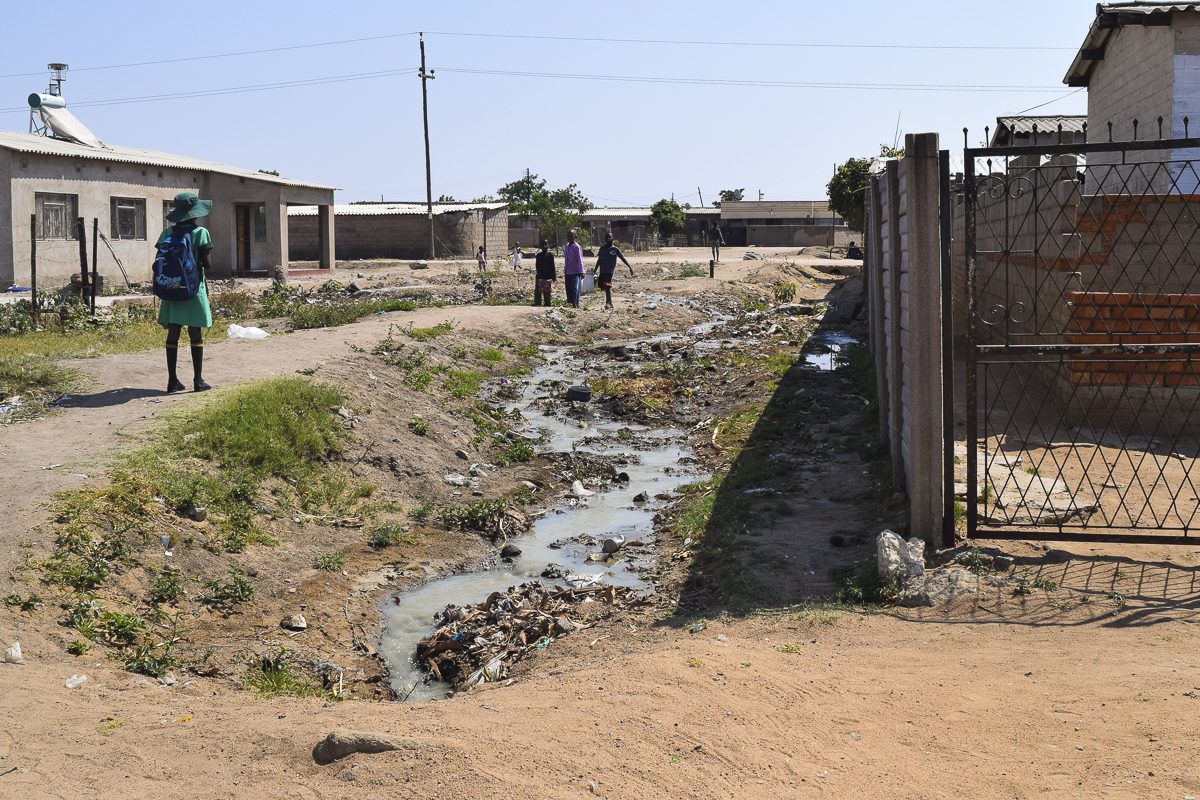
The rehabilitation, being implemented under the devolution programme, is expected to bring lasting relief to communities in Zengeza and St Mary’s suburbs, where aging sewer infrastructure has repeatedly failed. Designed decades ago for a much smaller population, the current system has long been overwhelmed, resulting in burst pipes, blockages, and hazardous overflows that posed serious public health risks.
“This problem of sewer and pipes bursting has been a common occurrence here in Zengeza. We see this project being implemented as a game-changer because these pipes have outlived their life span,” said one resident.
Once complete, the project is expected to directly benefit about 40 000 households across Zengeza and St Mary’s, significantly reducing the risk of sewer bursts and improving overall sanitation.
For years, Chitungwiza residents have lived on what many described as a “ticking health time bomb,” with sewage spills often flowing into streets and homes. The latest intervention by Government through devolution funds signals a decisive step towards solving these long-standing challenges and creating a healthier urban environment.
As work progresses, residents remain hopeful that this initiative will not only transform their daily lives but also set a new benchmark for infrastructure renewal in other urban centres facing similar challenges.