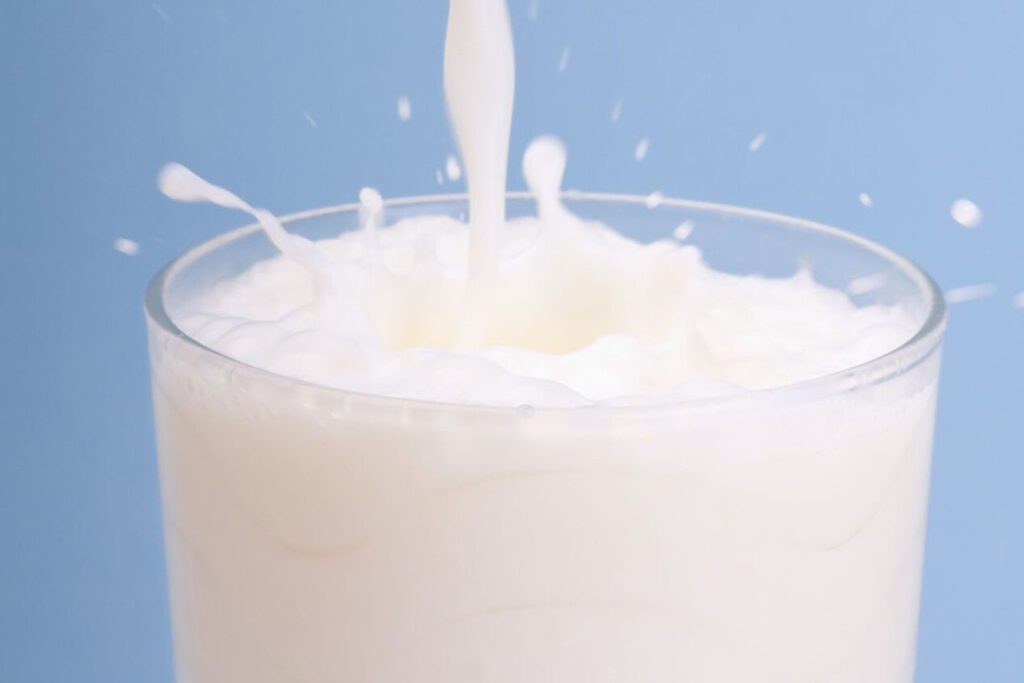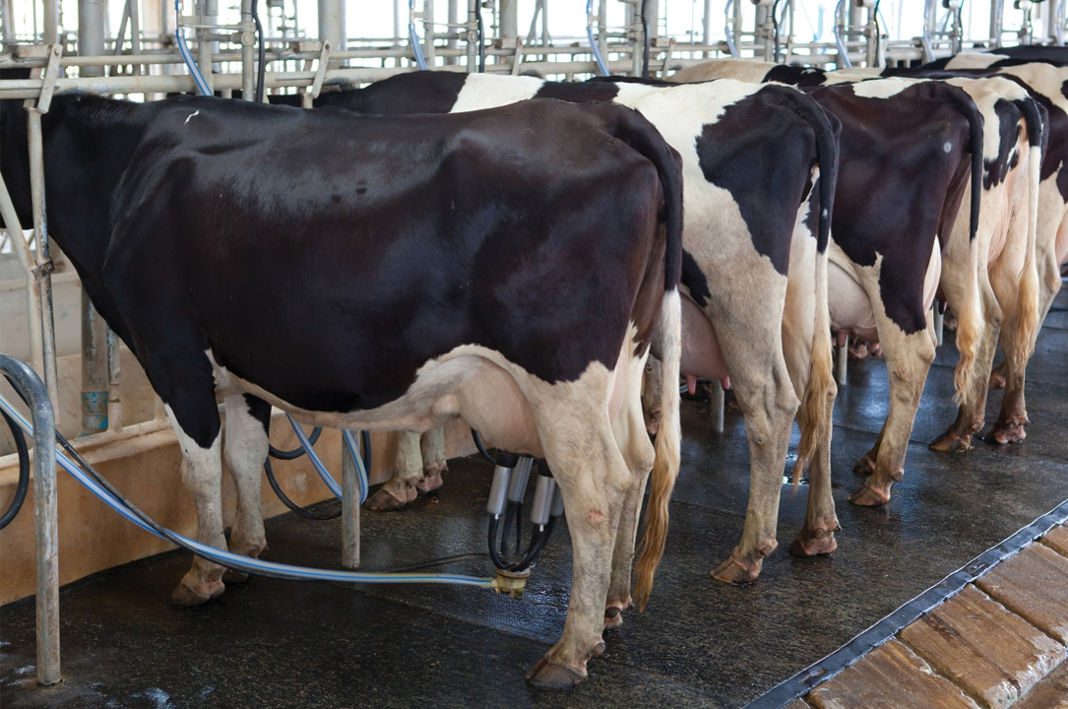
Zimbabwe’s dairy industry is on an upward trajectory, with raw milk output rising by 4 percent to 78,3 million litres in the eight months to August 2025, compared to the same period last year, according to the latest figures from the Dairy Services Unit (DSU).
The positive momentum comes as the Government seeks to unlock US$71,4 million in investment to further revitalise the sector.
In an interview with the media yesterday, Zimbabwe Association of Dairy Farmers (ZADF) national chairman, Edward Warambwa, said the industry was showing resilience and steady growth, though final annual output may fall slightly short of the 15 percent target initially projected for 2025.
“We are confident that growth will be attained, given the joint efforts by stakeholders in the dairy industry to revitalise the sector. The good rains over the past season have been quite helpful in improving feed availability and quality of pastures,” said Warambwa.
He added that farmers have embraced cost-effective production methods to maximise yields at the lowest possible feed cost.
Extension services focusing on genetics, animal health, and nutrition, provided by both Government and private players, have also boosted productivity across the sector.
Warambwa further welcomed the Government’s recent move to cut fees and eliminate regulatory bottlenecks that had long undermined competitiveness.
“Although the new policy is yet to be fully implemented, it is a major step towards creating a more favourable business environment for dairy producers,” he noted.
However, challenges remain. Stakeholders cite rising feed costs, sluggish producer prices, lack of affordable financing, and unreliable electricity supply as major constraints to growth.
Erratic weather patterns also continue to pose risks to long-term sustainability.
Lands, Agriculture, Fisheries, Water and Rural Development Deputy Minister, Vangelis Haritatos, recently projected that milk output would rise to 125 million litres in 2025, up from 115 million litres last year.
Addressing a high-level Danish business delegation exploring agricultural investment opportunities, he highlighted that the country’s recovery from past declines is now paying dividends.
“Some 25 years ago, national milk output stood at 250 million litres before dropping drastically to 37 million litres in 2009. With Government intervention, we are now witnessing exponential growth, and projections for this year indicate an output of 125 million litres,” he said.
Zimbabwe’s milk production peaked in 1990 at 262 million litres, supported by a national dairy herd of 119 220. Current growth trends suggest that by next year, the country could achieve self-sufficiency, meeting the 131 million litres required annually for domestic consumption.
Looking further ahead, output is projected to reach 155 million litres by 2030.
To sustain this growth, Deputy Minister Haritatos underscored the importance of the planned US$71,4 million investment.
The funding is earmarked for procuring breeding stock, processing equipment, cold chain facilities, and mechanisation tools such as tractors, hay balers, and cattle handling systems.
It will also support input production, veterinary supplies, paddocks, and fencing.
With strong Government backing, improved farmer practices, and renewed investment, Zimbabwe’s dairy industry is positioning itself as a key driver of agricultural growth and food self-sufficiency.