Zimbabwe’s natural environment, once admired for its vibrant rivers, fertile soils and thriving forests is showing visible signs of strain. Across the country, evidence of land degradation, pollution and poor waste management is becoming increasingly hard to ignore.
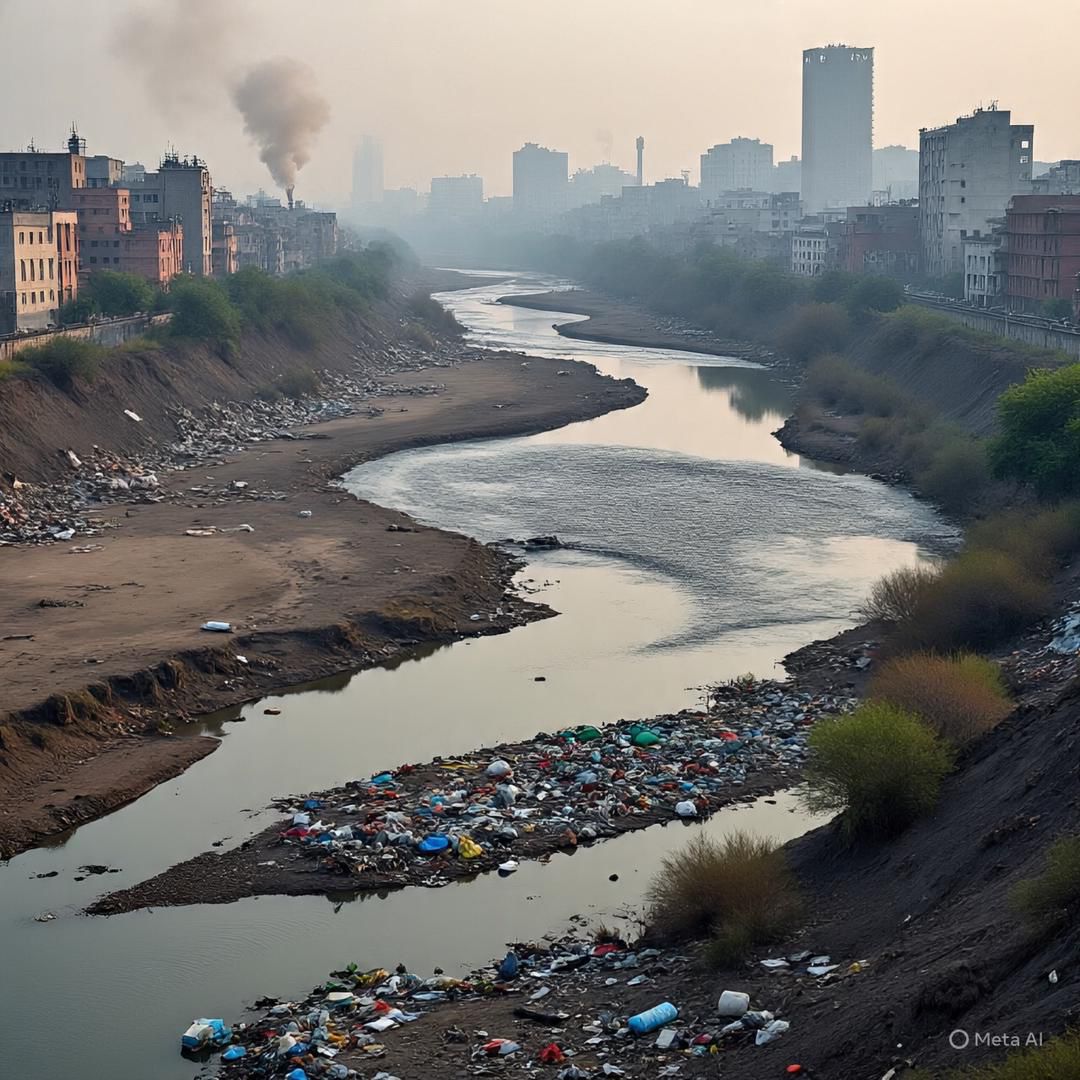
In several mining regions, once-clear rivers, such as Mazowe and Odzi, now carry sediments and pollutants linked to unregulated activities. Communities that depend on these waterways for farming and household use have expressed growing concerns over declining water quality and reduced fish populations among other ecosystems. Environmental scientists warn that such pollution threatens both ecosystems and livelihoods if not properly managed.
Urban areas face similar challenges. Overflowing litter bins, blocked drainage systems and scattered plastics waste have become common sights in many towns and cities. Despite ongoing cleanup campaigns and public awareness programmes, the issue of waste disposal continues to test the country’s commitment to sustainable urban management.
Environmental experts emphasize that reversing these trends requires collective effort. Stronger enforcement of environmental regulations, sustainable business practices and active community participation can help restore the balance.
In many communities, local initiatives such as tree planting to recycling projects are already making a difference, proving that small actions can lead to lasting change.
Zimbabwe’s environment remains one of its most valuable assets, central to food security, tourism and national identity. Protecting it is not just an environmental issue but a shared responsibility that affect everyone.
So, should we then cry? Perhaps for what has been lost, but more importantly, we should act. The future of Zimbabwe’s land, rivers and air depends on the choices made today by communities, businesses and individuals like you and me.