
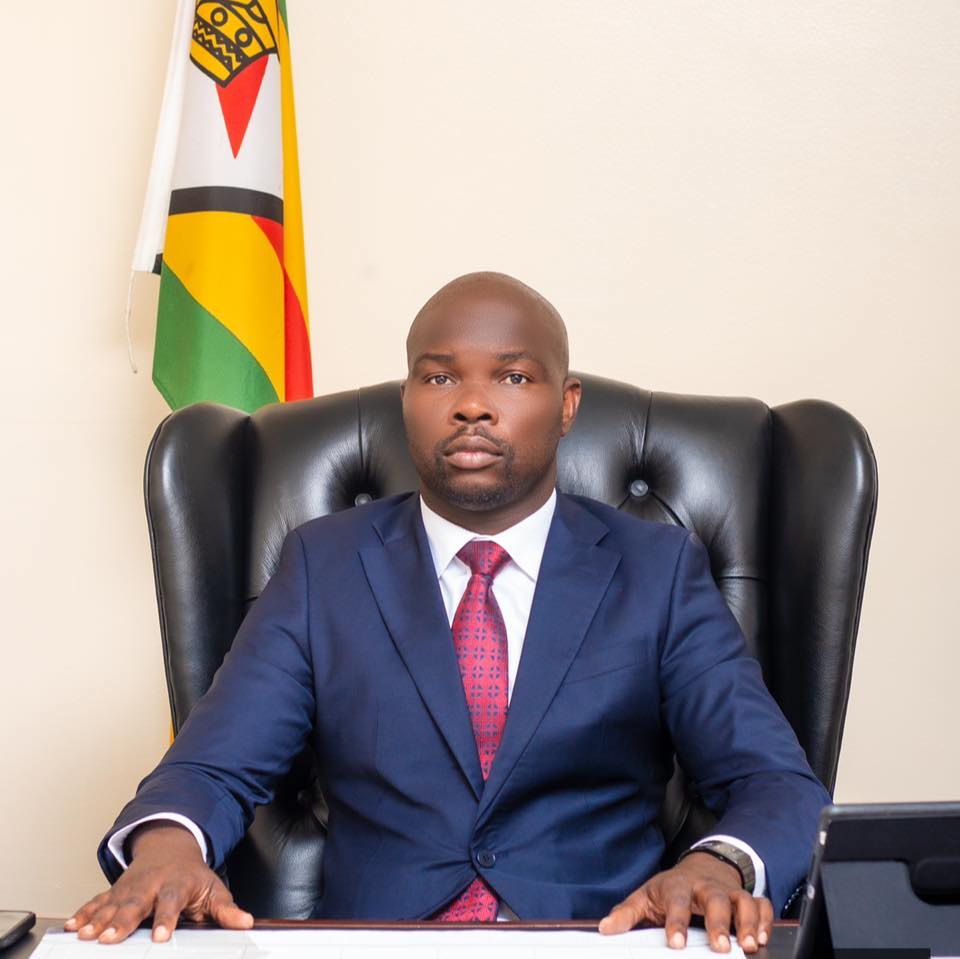
The Minister of Youth Empowerment, Development and Vocational Training, Tinoda Machakaire, has called for urgent, coordinated action to empower young people and curb the rising tide of drug and substance abuse in Zimbabwe.
Speaking in Harare recently, Minister Machakaire said recent findings by the Zimbabwe Statistics Agency (ZimStat) revealed a worrying trend, with an estimated 2,3 million youths out of a total youth population of 5,4 million not in education, employment or training.
He said the statistics exposed a growing gap in youth engagement that had created fertile ground for social ills such as drug and substance abuse.
“This sobering statistic underscores the urgent need for deliberate, coordinated and accelerated efforts to empower young people and ensure their full integration into the economy,” he said.
Minister Machakaire described the youth demographic as the country’s greatest asset, whose innovation, energy, and creativity could drive inclusive growth and transformation if properly harnessed.
“The youth are our greatest resource. When empowered and given the right platforms, they can be the driving force behind our nation’s industrialisation and modernisation agenda,” he said.
He said efforts were underway to strengthen youth empowerment programmes to address unemployment, poverty, and social challenges affecting young people.
A collaborative approach involving the private sector, development partners, and communities was needed to create sustainable livelihoods and reduce youth vulnerability to drugs, he added.
“The rise in drug and substance abuse is a clear sign that many of our young people feel disconnected and hopeless. We must restore their confidence and give them meaningful participation in the economy,” said the minister.
He said his Ministry was aligning empowerment and skills development initiatives with the demands of the modern job market to ensure that young people acquire practical, marketable skills.
“The focus is on equipping youths with practical skills that make them employable and self-reliant. We are promoting vocational training, entrepreneurship, and access to finance for youth-led enterprises,” said Minister Machakaire.
He added that inclusion of young people from rural and marginalised communities remained a key priority.
“Our programmes must reach every corner of the country. No young person should be left behind simply because of where they were born,” he said.
Minister Machakaire also stressed the need for a holistic national response to the drug and substance abuse crisis, combining prevention, rehabilitation, and empowerment.
“Youth empowerment is not just about jobs; it’s about purpose and dignity. We must work together as a nation to ensure that our youths are protected from drugs and have opportunities to build productive futures,” he said.
He urged parents, teachers, churches, and community leaders to play a more active role in mentoring and supporting young people.
“Our youth represent the future of Zimbabwe. Empowering them means securing the prosperity and stability of our nation,” he said.