
The University of Zimbabwe (UZ) Agro-Industrial Park is fast becoming a symbol of innovation, productivity, and self-sufficiency, setting a benchmark for other tertiary institutions across the nation. Established under the Education 5.0 model, which promotes teaching, research, innovation, industrialisation, and community service, the Park is redefining how universities contribute to national development.
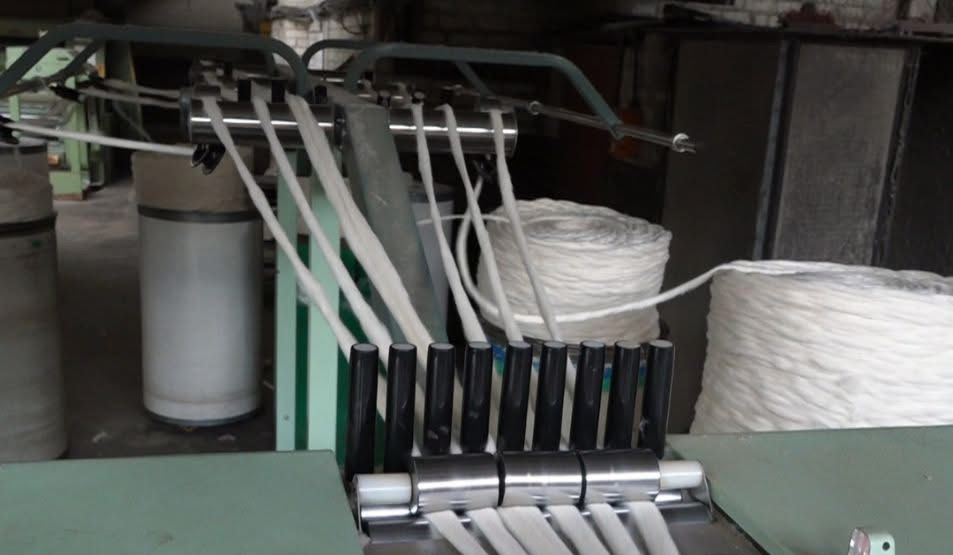
Located just 10 kilometres from Harare’s Central Business District along Mazowe Road, the Agro-Industrial Park has invested heavily in building a complete value chain that promotes national self-reliance and skills development. It is home to fully operational units for stock feed production, cooking oil processing, and soya meal manufacturing, ensuring that the university is not only a centre of learning, but also a contributor to Zimbabwe’s industrial and food security goals.
In an interview with the media yesterday, Dr Jacob Gusha, Director of the UZ Agro-Industrial Park highlighted that the University of Zimbabwe’s Agro-Industrial Park is a true reflection of the impact of the Education 5.0 philosophy.
“We have the capacity to produce a wide range of essential products that directly contribute to the growth of our economy. Our stock feed production supports both our poultry units and the broader market, strengthening food security and industrial output. Most importantly, our students are the biggest beneficiaries, gaining hands-on skills, industrial exposure, and entrepreneurial knowledge that will empower them to drive development beyond the classroom,” he explained.
The Park’s facilities include a large-scale poultry operation, currently housing 60 000 broiler birds, with plans to expand capacity to 100 000 birds every 42 days. In addition, the Park boasts an innovative baking plant capable of producing 20 000 loaves of bread daily, using sweet potatoes cultivated on-site, a prime example of sustainable agricultural integration.
Students undertaking industrial attachments at the Park have described it as a transformative learning environment.
“In animal production, I have worked across different departments from beef and piggery to horticulture and poultry and I have gained hands-on experience that will definitely help me after graduation,” said one agriculture student.
An engineering student echoed the same sentiment, noting the industrial exposure the Park offers.
“Just last week, we were carrying out maintenance on some machines, and the experience was eye-opening. It’s giving us real-world engineering skills that will be invaluable in our future careers,” he said.
By embedding commercial productivity within an academic environment, the UZ Agro-Industrial Park embodies the essence of the Education 5.0 philosophy transforming education into a tool for innovation, production, and economic transformation.
Aligned with the Second Republic’s Vision 2030, the initiative demonstrates how Zimbabwe’s higher education system can directly contribute to industrialisation and job creation. The Park not only strengthens the university’s role in research and innovation, but also positions Zimbabwe as a competitive player in agro-industrial development at a global scale.