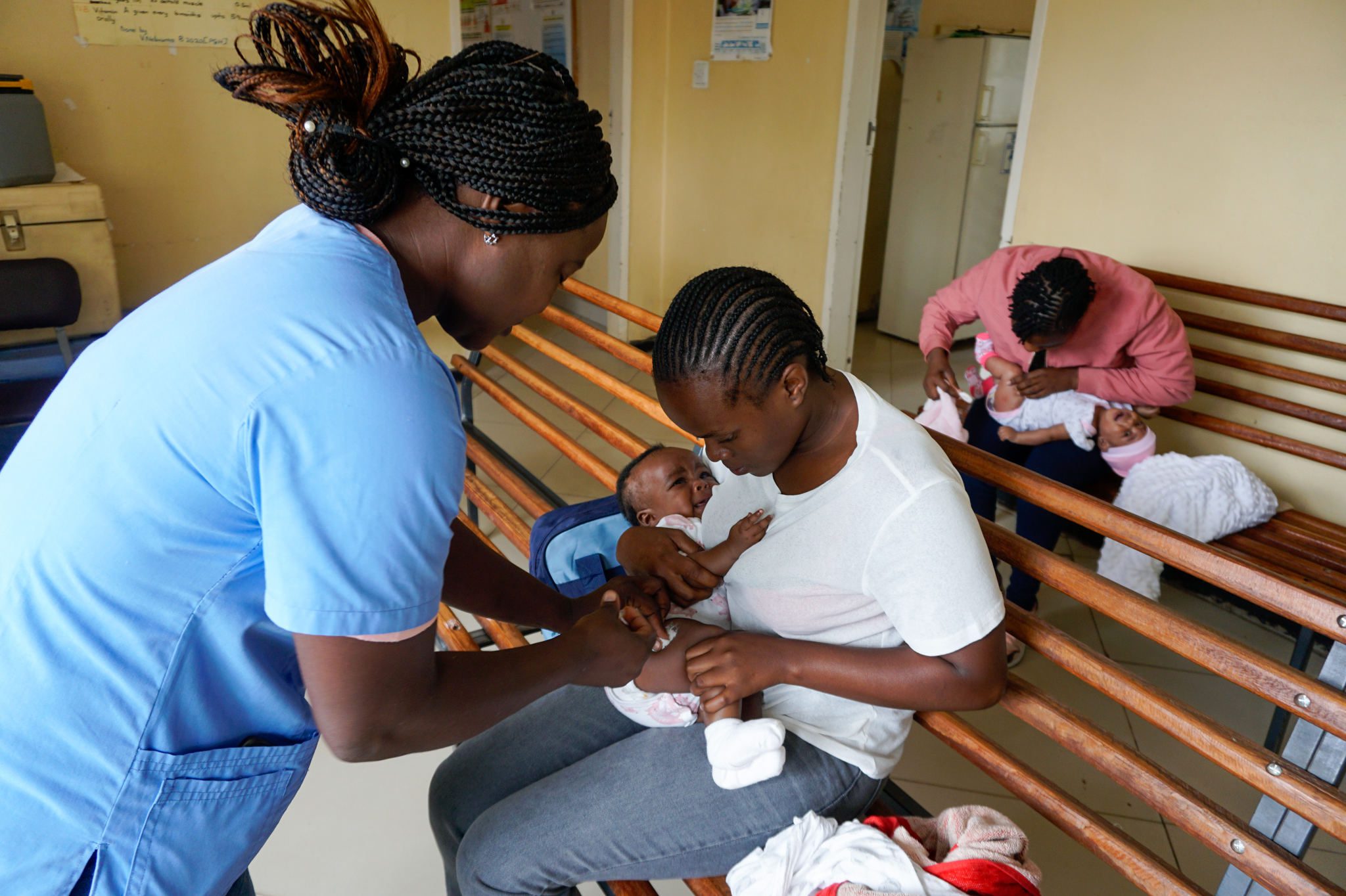

Across Zimbabwe, a silent yet devastating health crisis is emerging, an alarming rise in childhood cancer cases. What was once a rare occurrence among the young has now become a growing public health concern, with medical experts warning that the trend could worsen if not urgently addressed. Behind every diagnosis lies a painful story of lost innocence, fear, and survival, highlighting the urgent need for awareness, early detection, and stronger health system support.
Recent figures paint a troubling picture, with hundreds of new childhood cancer cases being reported in a single year, representing a significant portion of the country’s overall cancer burden. Yet, for every documented case, there are many more that go undiagnosed or untreated, especially in rural communities where health facilities are limited and awareness is low. This growing health crisis calls for national attention and coordinated action.
Childhood cancer often goes unnoticed in its early stages because the symptoms are subtle and mimic those of common illnesses. Persistent fevers, fatigue, or unexplained pain are often dismissed until the disease has advanced. By the time many children reach hospitals, their conditions are already severe, drastically reducing their chances of survival. The reality is that cancer in children is curable but only if detected and treated early.
Health specialists believe the rise in cases can be linked to multiple factors. Improved diagnostic capacity in urban hospitals has led to more cases being identified, but this progress has also exposed long-standing weaknesses in the healthcare system. Many hospitals still lack the proper diagnostic tools and skilled personnel to manage paediatric cancers effectively. The shortage of paediatric oncologists, combined with frequent stock-outs of essential drugs, continues to hinder timely and effective treatment.
Environmental conditions have also come under scrutiny. The use of pesticides in agriculture, exposure to industrial waste, and contaminated water sources have all been linked to higher cancer risks. In rural farming areas, children are often exposed to harmful chemicals without protective clothing. Added to this are nutritional challenges, where weakened immune systems due to malnutrition make children more susceptible to life-threatening diseases.
The impact of childhood cancer goes beyond the hospital ward. It disrupts families, drains savings, and leaves lasting emotional wounds. Parents are forced to make unimaginable sacrifices, selling property or leaving their jobs to care for their sick children. The long and painful journey of chemotherapy, radiation, and surgery is often made harder by the emotional toll it takes on families who struggle with uncertainty and financial hardship. Survivors who manage to overcome the illness often live with lifelong side effects that affect their physical growth, learning abilities, and social well-being.
Despite these challenges, stories of survival continue to inspire hope. They demonstrate that with early detection and proper treatment, recovery is possible. Yet, such stories also reveal the inequalities within the system only those who access timely care survive. For many others, the journey ends too soon due to delayed diagnosis or lack of treatment facilities.
The fight against childhood cancer requires a comprehensive and united response. Raising awareness remains the most powerful tool in preventing late-stage diagnoses. Communities must be educated about the signs of cancer in children and encouraged to seek medical attention early. Schools, churches, and community gatherings can serve as platforms for spreading awareness, especially in rural areas where misconceptions and cultural beliefs often delay medical intervention.
Strengthening the healthcare system is equally vital. Hospitals across all provinces should be equipped with diagnostic tools and trained staff capable of recognising and managing childhood cancers. Establishing more regional cancer treatment centres will ease the burden on families who currently travel long distances for care. A consistent supply of chemotherapy drugs and supportive medications is also crucial to ensure that treatment is not interrupted.
Government support plays a pivotal role in turning the tide against this crisis. By prioritising childhood cancer in the national health strategy, more funding can be directed toward prevention, diagnosis, and treatment. Policies should be designed to make essential cancer medicines affordable and accessible, possibly through partnerships with global health organisations and pharmaceutical companies. Investing in specialist training will also help build a sustainable network of paediatric oncologists and oncology nurses who can provide expert care across the country.
Beyond the medical front, psychosocial support for affected families is essential. Counselling services, temporary accommodation near hospitals, and community-based support groups can help families cope with the emotional and financial strain of cancer care. Awareness campaigns that highlight survivors’ stories can also help reduce stigma and encourage early testing.
Addressing environmental risks is another crucial step. Authorities must enforce stricter regulations on industrial emissions, agricultural pesticide use, and waste disposal to protect children from harmful exposure. Promoting clean environments and safe farming practices can go a long way in preventing future illnesses.
The fight against childhood cancer cannot be won by the government alone. It requires the collective effort of communities, private companies, NGOs, and individuals. Charity events and awareness campaigns have already played a part in raising funds and knowledge, but much more needs to be done. Every citizen can play a role by learning, spreading awareness, and supporting families affected by cancer.
Ultimately, childhood cancer is not just a medical condition; it is a social challenge that tests the nation’s compassion and commitment to its future generations. No child should die because their illness was detected too late or because their parents could not afford treatment. Every young life deserves a fair chance at survival and a future filled with dreams.
As Zimbabwe faces this growing health challenge, one message must resonate across all communities and cancer in children is curable if detected early. The nation must come together with the Government, health professionals, and citizens alike, to ensure that no child’s life is cut short by a disease that can be beaten. Awareness, access, and action remain the most powerful weapons in this fight for the lives of the country’s youngest and most vulnerable citizens.