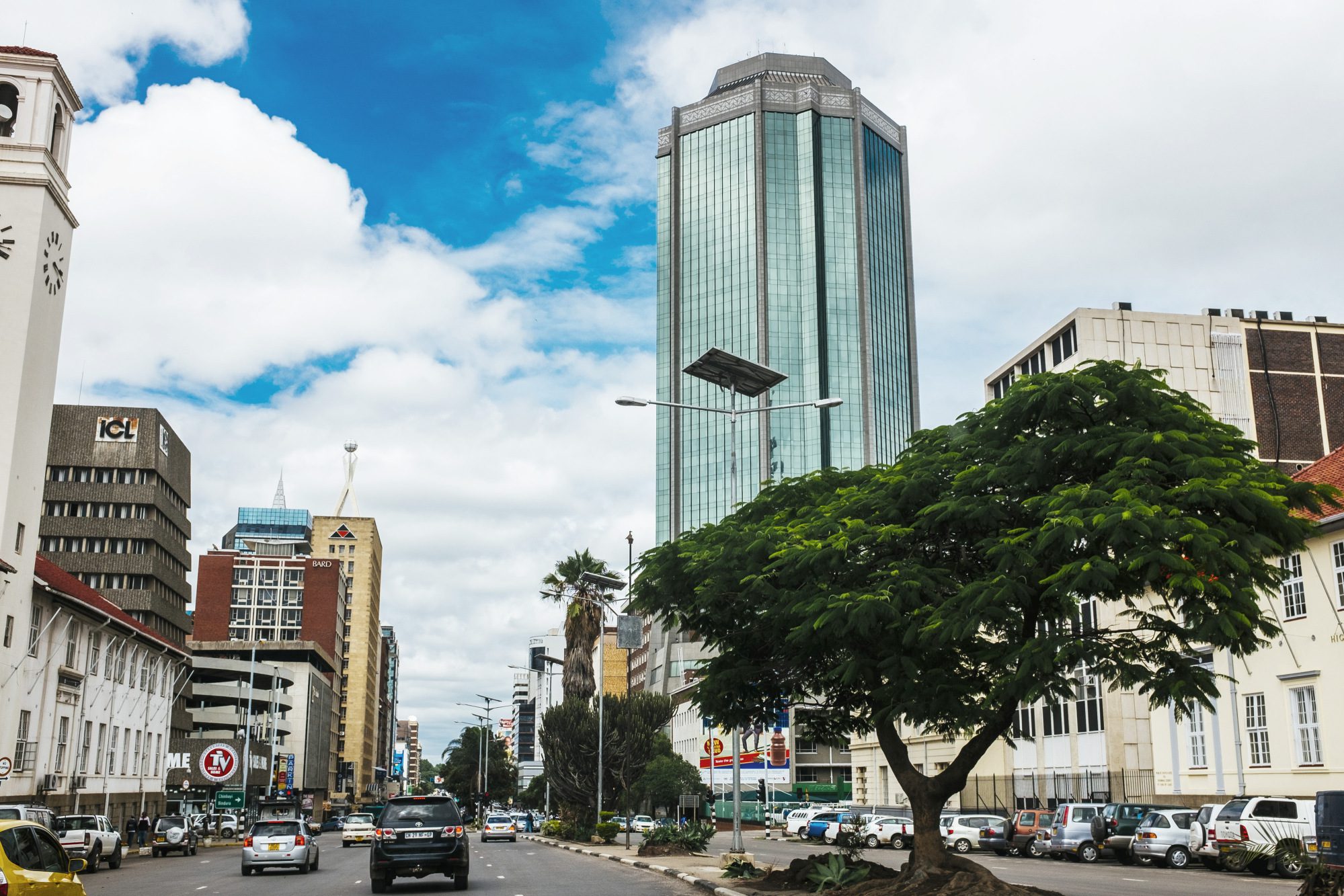
Zimbabwe has been named Southern Africa’s best-performing economy for 2025, with the International Monetary Fund (IMF) projecting a strong six percent Gross Domestic Product (GDP) growth rate, the highest in the region. The positive outlook signals the country’s continued recovery and progress towards achieving Vision 2030, which aims to transform Zimbabwe into an upper-middle-income economy.
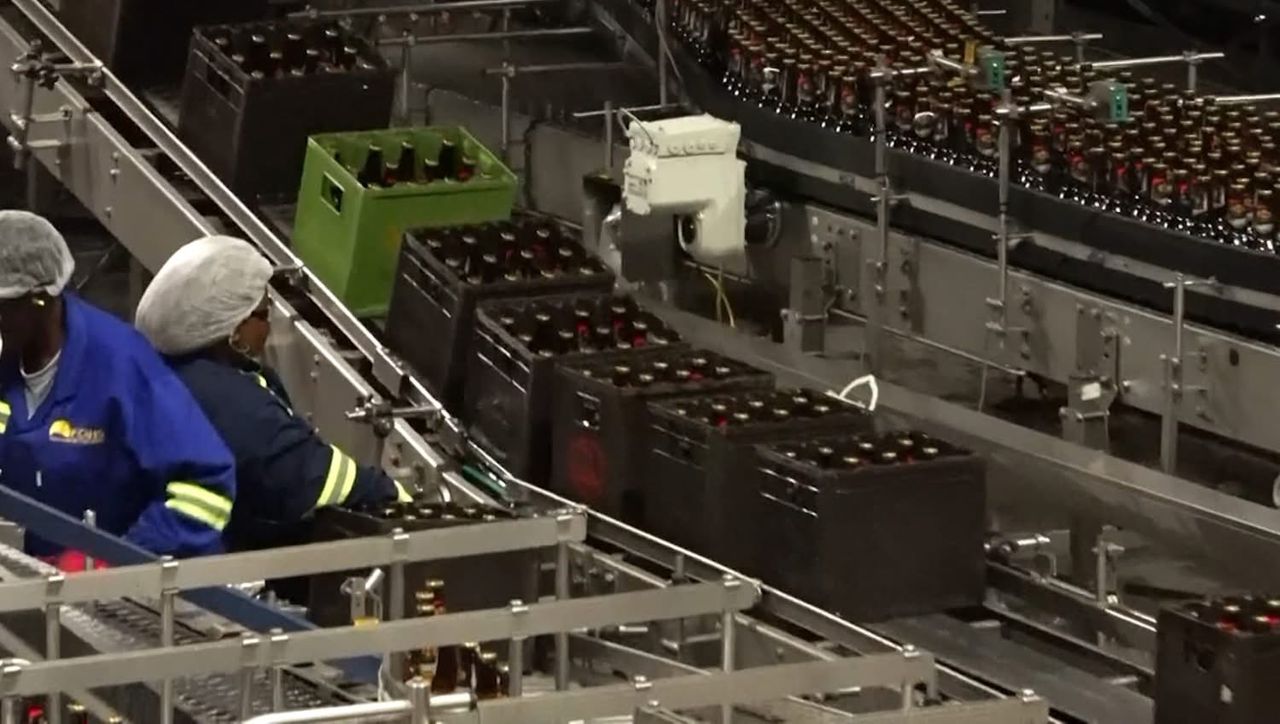
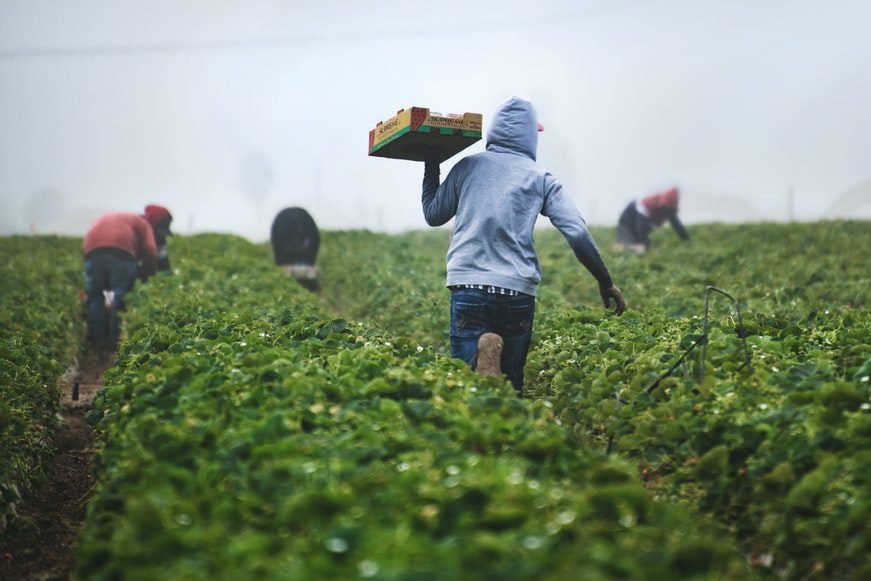
The new growth projections, unveiled during the IMF and World Bank Annual Spring Meetings in Washington DC, show that Zimbabwe’s growth will rise sharply from 1.7 percent in 2024 to 6 percent in 2025. The rebound has been attributed to a combination of factors, including strong agricultural output, robust infrastructure development, stabilised exchange rates, sound fiscal management, manufacturing recovery, and rising global mineral prices particularly gold, which remains one of the country’s top foreign currency earners.
This projection places Zimbabwe ahead of regional peers such as South Africa, Botswana, Zambia, Angola, Malawi, Mozambique, Namibia, and the Democratic Republic of Congo (DRC), all of which are expected to post more modest growth rates. The IMF report highlights Zimbabwe as one of the few economies in Sub-Saharan Africa showing consistent resilience in the face of global economic headwinds.
Speaking during a media briefing yesterday after the release of the report, IMF African Department Director, Mr. Abebe Aemro Selassie, commended Zimbabwe for its remarkable progress in stabilising the economy despite limited access to concessional financing.
“Zimbabwe has gone through quite a lot of challenges in recent years, and one of the things that distinguishes Zimbabwe from other countries in the region is that it has not been able to access concessional funding to the same degree as others. Against this difficult backdrop, it is good to see that the country has been trying to put in place the right policies, and in recent months, we have seen significant effort being made,” said Mr. Selassie.
He also praised Government’s fiscal and monetary reforms, which have contributed to reducing inflation and restoring confidence in the local currency.
“Importantly, recourse to central bank financing has diminished quite a lot. It will be important to sustain that because such practices have created difficulties in the past with inflation and exchange rate stability. We are encouraged by what Government has been doing in recent months, and that needs to be sustained. Continued refinement of policies will be key to helping Zimbabwe move forward,” Mr. Selassie added.
The IMF noted that Zimbabwe’s growth prospects are well above the regional average of four percent for Sub-Saharan Africa, where economies are rebounding amid easing geopolitical tensions, stronger commodity prices, and recovery from climate-related disruptions.
The country’s rapid economic recovery has been underpinned by the Second Republic’s reform agenda, which emphasises fiscal discipline, value addition, industrial retooling, and infrastructure expansion. The agricultural sector, in particular, has benefited from Government support through programmes such as Pfumvudza/Intwasa, irrigation rehabilitation, and mechanisation schemes, boosting both food security and export earnings.
Analysts say that sustaining the 6 percent growth will depend on continued macroeconomic stability, investment in productive sectors, and further engagement with multilateral institutions to unlock new lines of credit.
With the IMF’s endorsement and global recognition of progress made, Zimbabwe’s economic trajectory signals renewed optimism. If the current pace of reform and investment continues, the country is on track to achieve significant milestones in its Vision 2030 roadmap, cementing its position as one of Africa’s emerging success stories.