
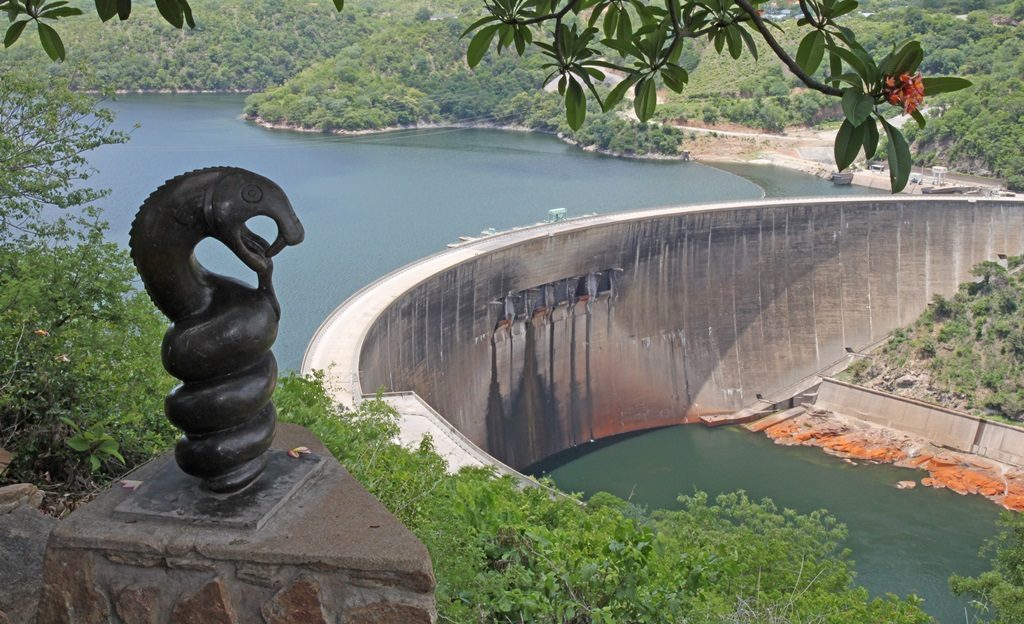
Zimbabwe and Zambia are intensifying cooperation in the energy sector, with both countries holding high-level discussions in Harare this week to explore sustainable ways of utilising water from the Kariba Dam, expanding electricity generation, and enhancing regional energy security. The talks mark a significant step in strengthening bilateral relations while promoting industrial growth, agricultural development, and regional integration.
At the core of the discussions are efforts to optimise the use of Kariba Dam, a shared resource that provides a major portion of both countries’ electricity. The meeting brought together senior officials from the two nations’ energy ministries, as well as representatives from ZESA Holdings and ZESCO, the national power utilities.
Speaking at the discussion yesterday, Zimbabwe’s Minister of Energy and Power Development, July Moyo, highlighted the importance of aligning the two nations’ energy strategies to meet the growing power demands of expanding sectors such as mining, agriculture, and manufacturing.
“Zimbabwe and Zambia face similar challenges as our sectors grow, especially mining and agriculture. To achieve value addition, we require more energy, including fossil fuels. The Memorandum of Understanding on private-sector development of the Zimbabwe–Zambia pipeline must now translate into action. We need to fast-track operationalisation and ensure efficient utilisation of gas and fuel,” said Minister Moyo.
The Zimbabwe–Zambia fuel pipeline project forms a crucial part of the broader energy cooperation framework. It aims to improve fuel security, support industrial growth, and enhance the resilience of both countries’ economies in the face of climate change and increasing global energy demand.
Zambia’s Minister of Energy, Makozo Chikote, underscored the need for both nations to adopt sustainable and climate-resilient approaches in energy generation and water management.
“Because of climate change, we must use our water sustainably and climate-proof our energy sector. The SADC power pool is not just a gateway; it is an opportunity to set a regional example. Over 600 million people in our region remain unconnected to electricity. Energy is the connector if we are to achieve Vision 2030,” Minister Chikote noted.
Among the key issues discussed were water allocation from the Kariba Dam for 2026, balancing hydropower production with environmental conservation, operationalising the Zimbabwe–Zambia fuel pipeline, and assessing current power generation capacity to determine future infrastructure needs.
The talks come amid rising regional energy demand and growing climate pressures that threaten water levels at Kariba Dam—Southern Africa’s largest hydropower source. The two nations agreed that a coordinated approach, backed by private-sector investment and technological innovation, is essential for long-term energy stability and economic transformation.
Zimbabwe and Zambia are both active members of the Southern African Power Pool (SAPP), an energy-sharing platform that integrates electricity grids across the region. Through SAPP, member countries can exchange surplus power, stabilise regional supply, and attract foreign investment into energy infrastructure.
For both nations, deepening cooperation represents more than energy collaboration and it signifies a shared vision for sustainable industrialisation, economic growth, and social development. As discussions continue, the focus remains on ensuring that energy becomes not just a basic utility but a catalyst for regional transformation and prosperity.


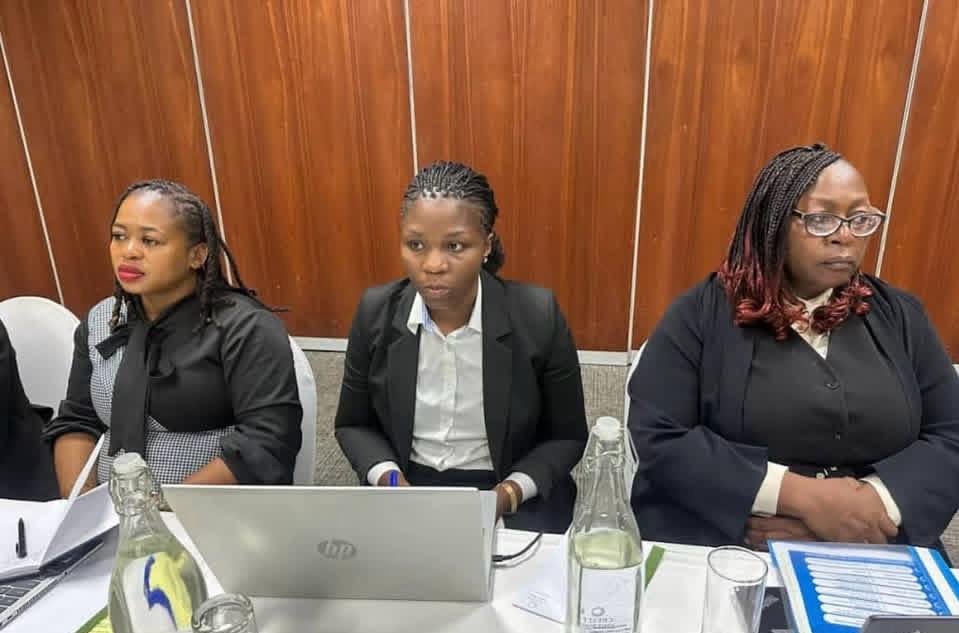
Good neighbourliness…collaboration is the way to go!