
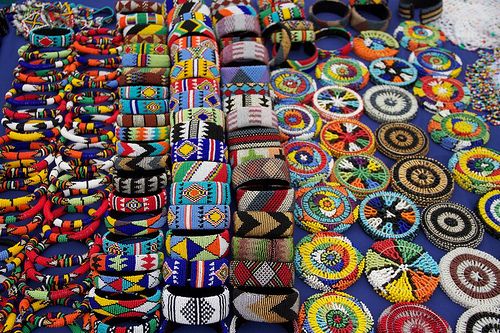
Cultural entrepreneurship took centre stage at the National Youth Empowerment Symposium in Harare yesterday, where young Zimbabwean innovators showcased how traditional knowledge and skills can be transformed into sustainable business ventures.
Speaking on the sidelines of the event, Peter Sigauke, a Bulawayo-based fine craft artist, said he has successfully built a business rooted in Zimbabwean heritage, producing a range of handmade products using local materials.
“I make Ilala straw hats, bags, gift baskets, trays, laundry baskets, and goat skin rugs. These items are not only functional but deeply cultural,” Sigauke said.
He noted that goat skin rugs were commonly used in traditional Zimbabwean homes in the past and that his business seeks to revive and modernise the practice.
“They are durable and strong. Back then, people used them as mats and bedding. We are just bringing the craft back with a modern touch,” he said.
Sigauke encouraged youths to embrace local craft-making as a way to generate income while preserving cultural identity.
In a separate presentation, Gracia Bvute, the founder and CEO of PaBvute_Gourmet, highlighted the role of food in cultural preservation. A self-trained chef and entrepreneur, Bvute said she began cooking traditional meals and sharing them on digital platforms to promote Zimbabwean cuisine.
“Cooking was once seen as an ordinary hustle, but I realised it could be a tool for cultural education and empowerment,” she said.
Bvute rose to international prominence after being featured on the Best Ever Food Review Show, where she co-hosted an episode with renowned food content creator Sonny Side. The episode introduced Zimbabwean dishes to a global audience, receiving widespread attention.
That collaboration helped me realise the importance of our culinary heritage and how we can share it with the world,” she said.
Both entrepreneurs were applauded by government officials and fellow participants for using their platforms to promote Zimbabwean culture in innovative ways.
A Ministry of Youth Empowerment representative said such initiatives were crucial in building a resilient creative economy.
“Cultural entrepreneurship is a growing sector. It allows young people to earn a living while preserving and promoting our national identity,” the official said.
As the symposium continues, participants are engaging in discussions around increasing support for youth-led cultural enterprises through improved access to funding, skills development, and both local and international market opportunities.