For over two decades, Zimbabwe has lived under the shadow of Western-imposed sanctions, mainly from the United States and the European Union. Initially justified as “targeted measures” against certain individuals and entities, these restrictions have long since outlived their political rationale and mutated into broad economic blockades that suffocate an entire nation. Today, the sanctions have become a humanitarian and developmental obstacle that denies ordinary Zimbabweans access to global finance, investment, and opportunity. It is time to say enough is enough — and to lift the sanctions in toto.
The Myth of Targeted Sanctions
Sanctions were originally sold to the world as narrow, targeted tools meant to pressure specific political figures. Yet, in practice, the so-called “smart sanctions” have proven to be anything but smart. Zimbabwean banks, exporters, importers, students, and entrepreneurs have all suffered collateral damage as international financial institutions recoil from engaging with the country.
Global systems like SWIFT and correspondent banking channels treat Zimbabwe as a high-risk jurisdiction. This has crippled the flow of remittances, foreign direct investment, and essential imports. The result? Ordinary citizens — not the politicians supposedly targeted — are the ones bearing the brunt of the pain.
Humanitarian Consequences: Sanctions as Silent Killers
Behind the abstract economic jargon are real human stories. Hospitals struggle to procure essential medicines due to payment restrictions and compliance fears. Schools battle inadequate resources because donor agencies are hesitant to transact with Zimbabwean authorities.
Every blocked transaction translates into a delayed operation, an underfunded classroom, or a lost job. These are the silent victims of geopolitical punishment — mothers unable to find medicine for their children, small businesses denied credit, students losing scholarships because their payments are flagged. Sanctions, in this sense, kill silently and indiscriminately.
The Economic Stranglehold
Zimbabwe’s economy, already recovering from historical shocks and structural reforms, has been denied the oxygen of international trade and investment. The country’s productive sectors — agriculture, mining, and manufacturing — cannot reach their full potential while the economy remains isolated from mainstream global finance.
Despite significant domestic reforms, including the introduction of investor-friendly policies and engagement with multilateral institutions, the stigma of sanctions persists. Investors from Europe and America hesitate to partner with Zimbabwean entities for fear of secondary penalties. This isolation undermines the government’s efforts to industrialize, modernize infrastructure, and create jobs for the youth.
Resilience Is Not a Policy
For all its hardships, Zimbabwe has displayed remarkable resilience. Farmers have rebuilt from droughts, small enterprises have sprung up despite logistical nightmares, and communities have adapted through sheer creativity. But resilience should not be mistaken for prosperity. A people can only survive on endurance for so long; at some point, they must be allowed to thrive.
Sanctions turn every development gain into a struggle. Accessing international credit lines, purchasing spare parts, or attracting technology partners becomes a bureaucratic nightmare. The world applauds Zimbabwe’s resilience, yet continues to block the tools that would allow that resilience to bear fruit.
A Question of Human Rights and Justice
Ironically, sanctions are often justified under the banner of human rights — yet their impact is a gross violation of those same rights. The right to work, to health, to education, and to development are all enshrined in international law. Denying a nation the ability to trade, invest, or borrow violates these fundamental principles.
Collective punishment of an entire population cannot be reconciled with the global ideals of fairness and justice. Children who were not even born when the sanctions were imposed are now adults — still suffering the consequences of decisions they had no part in. This generational injustice demands urgent correction.
The Hypocrisy of Global Powers
There is a striking hypocrisy in how the global community treats Zimbabwe. Western nations preach democracy and inclusivity while simultaneously excluding Zimbabwe from fair participation in the world economy.
Many countries with far worse governance records enjoy full access to global markets and development finance. Why, then, should Zimbabwe be singled out for perpetual punishment? The selective application of sanctions reveals that this is not about human rights but about politics and power. It is about maintaining influence, not promoting democracy.
Re-Engagement and Reform: The World Should Reciprocate
Since the advent of the Second Republic in 2017, Zimbabwe has embarked on a path of engagement and reform. The government has reopened dialogue with international partners, restructured public enterprises, and implemented policy reforms to improve the business climate.
Global investors from Asia, the Middle East, and Africa have taken notice, bringing capital and expertise into mining, agriculture, tourism, and manufacturing. These efforts demonstrate Zimbabwe’s commitment to progress — but progress cannot occur in isolation. The West should now reciprocate by lifting sanctions and allowing full re-entry into the international economic system.
Impact on Regional and Continental Growth
Sanctions on Zimbabwe are not just a Zimbabwean problem. They undermine regional integration and continental progress. The Southern African Development Community (SADC) has repeatedly called for the removal of these sanctions, recognizing that they distort trade flows and investment confidence in the entire region.
Zimbabwe is a key transit hub between Southern Africa and the rest of the continent. Its economic revival would benefit neighboring countries through improved logistics, energy cooperation, and regional value chains. Keeping Zimbabwe sanctioned is akin to tying one leg of the African body and expecting the rest to run.
The Global Economy Needs an Open Zimbabwe
In today’s interconnected world, economic exclusion is self-defeating. A prosperous, open Zimbabwe would contribute immensely to global trade, climate resilience, and food security. With fertile soils, mineral wealth, and a skilled workforce, Zimbabwe can become a cornerstone of African industrialization.
But this vision can only be realized when sanctions are lifted. Investors need predictability, access to banking, and legal assurance. As long as sanctions persist, Zimbabwe remains locked out of global capital markets — to the detriment of both the country and potential global partners.
Sanctions and the Private Sector
The private sector bears the hidden costs of sanctions every day. A small exporter of horticultural products faces higher transaction fees, delayed payments, and lost clients because international banks refuse to process Zimbabwe-linked transactions.
Technology firms cannot license certain software; manufacturers cannot source critical components; even NGOs face hurdles moving donor funds. These daily obstacles stunt innovation, entrepreneurship, and productivity — the very drivers of economic renewal that Zimbabwe needs most.
The Human Cost of Economic Warfare
Economic warfare may not produce the visible destruction of bombs, but its consequences are equally devastating. The erosion of public services, unemployment, brain drain, and widespread poverty are indirect casualties of these sanctions.
The world must recognize that sanctions have not achieved their stated goals. They have not led to regime change, improved governance, or greater democracy. Instead, they have entrenched hardship and resentment. After two decades of failure, persisting with sanctions is both immoral and irrational.
Time to Turn the Page
Zimbabwe has shown goodwill through national dialogue, anti-corruption drives, and peace-building initiatives. The time has come for the international community to match that goodwill.
Removing sanctions would not only restore economic stability but also signal a new chapter of partnership and mutual respect. It would allow international development agencies, investors, and diaspora communities to work freely with Zimbabwe — fostering inclusive growth and sustainable development.
A Call for African Solidarity
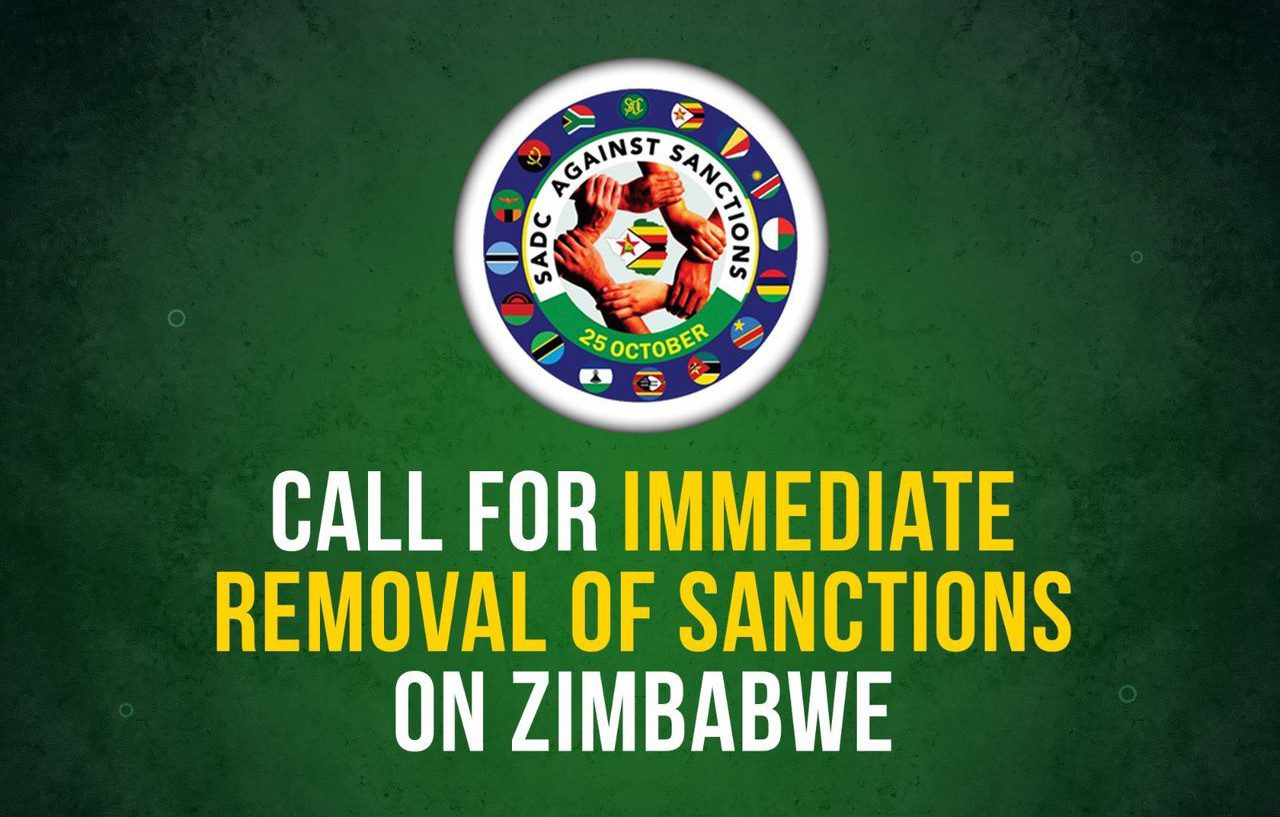
African voices must continue to rise in unity against unjust sanctions. SADC, the African Union, and Pan-African institutions have consistently stood with Zimbabwe, declaring October 25 as Anti-Sanctions Day. This solidarity is not just symbolic; it reflects a shared belief that Africa’s future cannot be dictated by external powers.
The continent must speak with one voice: sanctions on any African nation are sanctions on all. They undermine the vision of Agenda 2063 and the dream of a self-reliant, prosperous Africa.
Learning from History
History teaches us that sanctions rarely achieve their intended outcomes. From Cuba to Iraq, Iran to Venezuela, sanctions have failed to deliver political change — but have succeeded in worsening human suffering.
The same is true in Zimbabwe. After more than 20 years, what has changed? The leadership remains, the policies evolve internally, but the people continue to suffer. It is clear that sanctions are not a solution — they are a symptom of outdated foreign policy thinking.
Building a Shared Future
Lifting sanctions does not mean endorsing or excusing past mistakes; it means choosing progress over punishment. It means acknowledging that engagement, dialogue, and trade are far more effective tools for positive change than isolation and coercion.
A Zimbabwe free of sanctions can rebuild its industries, re-attract its diaspora talent, and re-establish itself as a regional hub for innovation and enterprise. It can contribute to food security in southern Africa, export clean energy minerals for global green transitions, and serve as a bridge between Africa and the world.
Conclusion: Enough Is Enough
After two decades, the evidence is clear: sanctions have failed politically, morally, and economically. They have punished the innocent, stifled growth, and isolated a nation eager to move forward.
Zimbabwe deserves a fair chance to define its destiny, free from external constraints. The international community must now listen to the calls from SADC, the African Union, and millions of Zimbabweans who say with one voice: end the sanctions, in toto.
The lifting of sanctions is not just a Zimbabwean demand — it is a moral imperative, a human rights necessity, and an economic common sense. The world gains nothing from a crippled Zimbabwe; but it gains everything from a free, open, and thriving one.
It is time to remove the chains and let Zimbabwe rise.