Government has made significant strides in empowering women, strengthening small enterprises, and advancing inclusive economic growth under the Second Republic. Women Affairs, Community, Small and Medium Enterprises Development Minister, Senator Monica Mutsvangwa, has said.
Speaking at her ministry’s Strategic Planning Workshop in Mutare yesterday, Senator Mutsvangwa said the Government, through her ministry, has exceeded several key targets set under the National Development Strategy 1 (NDS1), setting a solid foundation for Vision 2030.
“Through the collective commitment of our teams, partners, and communities, we have achieved milestones that have strengthened the pillars of women empowerment, MSMEs` growth, cooperative development, and community resilience,” she said.
Among the major achievements Minister Mutsvangwa highlighted were the operationalisation of eight one-stop centres and mobile units nationwide, which have provided essential support to over 9,000 survivors of gender-based violence (GBV). The ministry also launched the National Strategy on Women in Politics and Decision-Making (2023–2030), aimed at promoting women’s participation in governance and leadership.
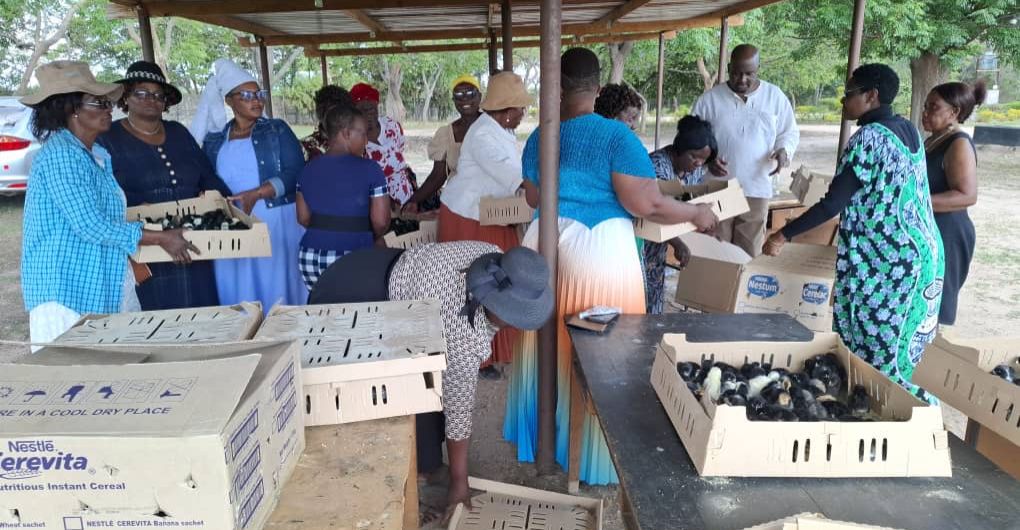
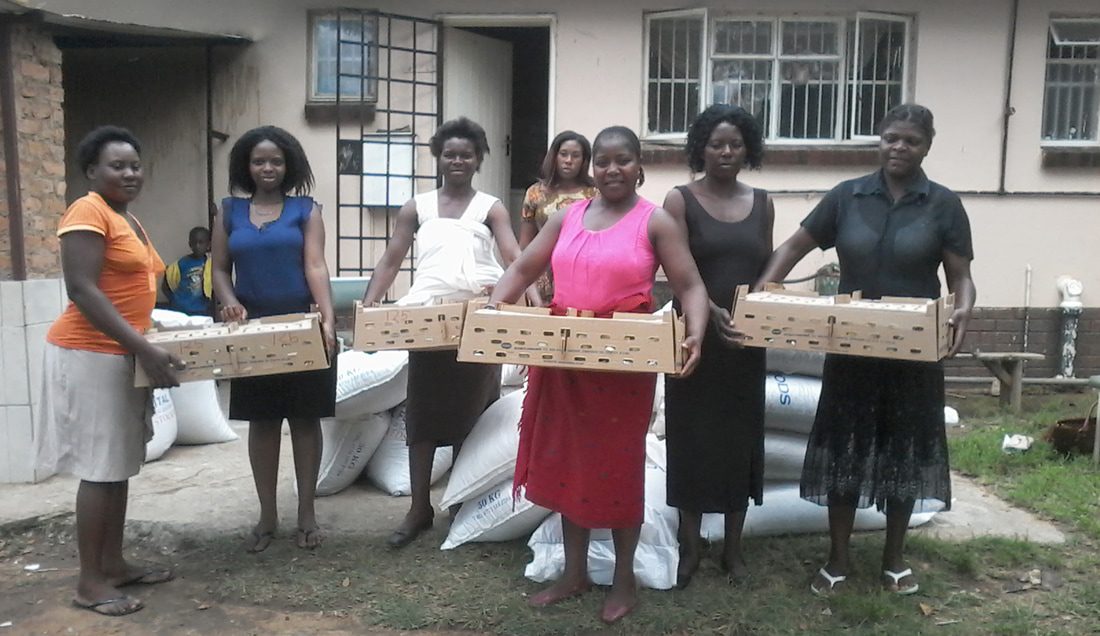
The minister revealed that over 229,000 micro, small and medium enterprises (MSMEs) have been trained, 87,000 loans disbursed, and 30,115 market linkages facilitated. Further, through public-private partnerships, the ministry has developed 23,436 modern workspaces, providing conducive environments for entrepreneurs to thrive.
“We are not just implementing programmes; we are changing lives. These achievements reflect the resilience, innovation, and determination of Zimbabwean women and communities driving transformation at the grassroots,” she said.
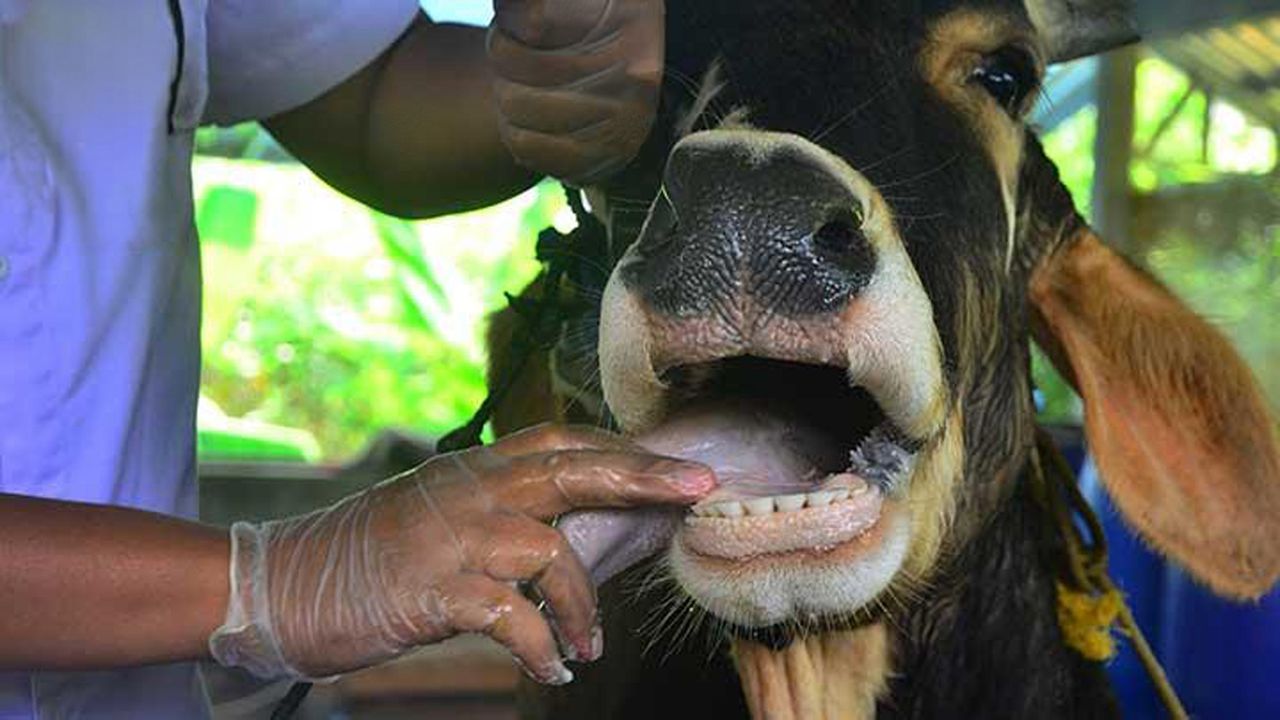
Minister Mutsvangwa also pointed to notable infrastructure developments, including the commissioning of the Chiredzi SME Centre and the Maker-Space Innovation Hub in Bulawayo, both designed to promote local innovation and entrepreneurship. She cited the delivery of tractors to women sugarcane farmers and the strengthening of cooperatives, such as the flagship dairy programme in Mutasa District, which saw the Women’s Bank providing 24 dairy cows to women farmers.
“These initiatives have uplifted women across both rural and urban areas, empowering them to become key players in the national economy. Our goal is to ensure that every woman, regardless of location, benefits from empowerment and inclusion policies,” she said.
Senator Mutsvangwa noted that these successes are a testament to the Second Republic’s inclusive development agenda under President Mnangagwa’s leadership, which places gender equality and women’s empowerment at the core of sustainable economic transformation.
As the ministry transitions to the next strategic cycle (2026–2030), she said the focus will shift to consolidating gains through a results-driven, data-informed, and digitally enabled approach.
“As we prepare for NDS2, we must move from programmatic to transformational implementation. Our planning must be measurable, purposeful, and people-centric, with clear outcomes and transparent monitoring mechanisms,” she said.
The minister added that the ministry’s next priorities include expanding financial inclusion for women-led businesses, formalising informal sector operations, strengthening GBV response systems, and establishing a Digital Management Information System (DMIS) for improved service delivery.
“The second term of the Second Republic must reflect high-impact results. We must deliver value for money and ensure our programmes are impactful, inclusive, and transformative,” she emphasised.
The five-day workshop, which has drawn participants from across the country, is reviewing the ministry’s 2025 annual plan and mapping out strategies for the next development phase.