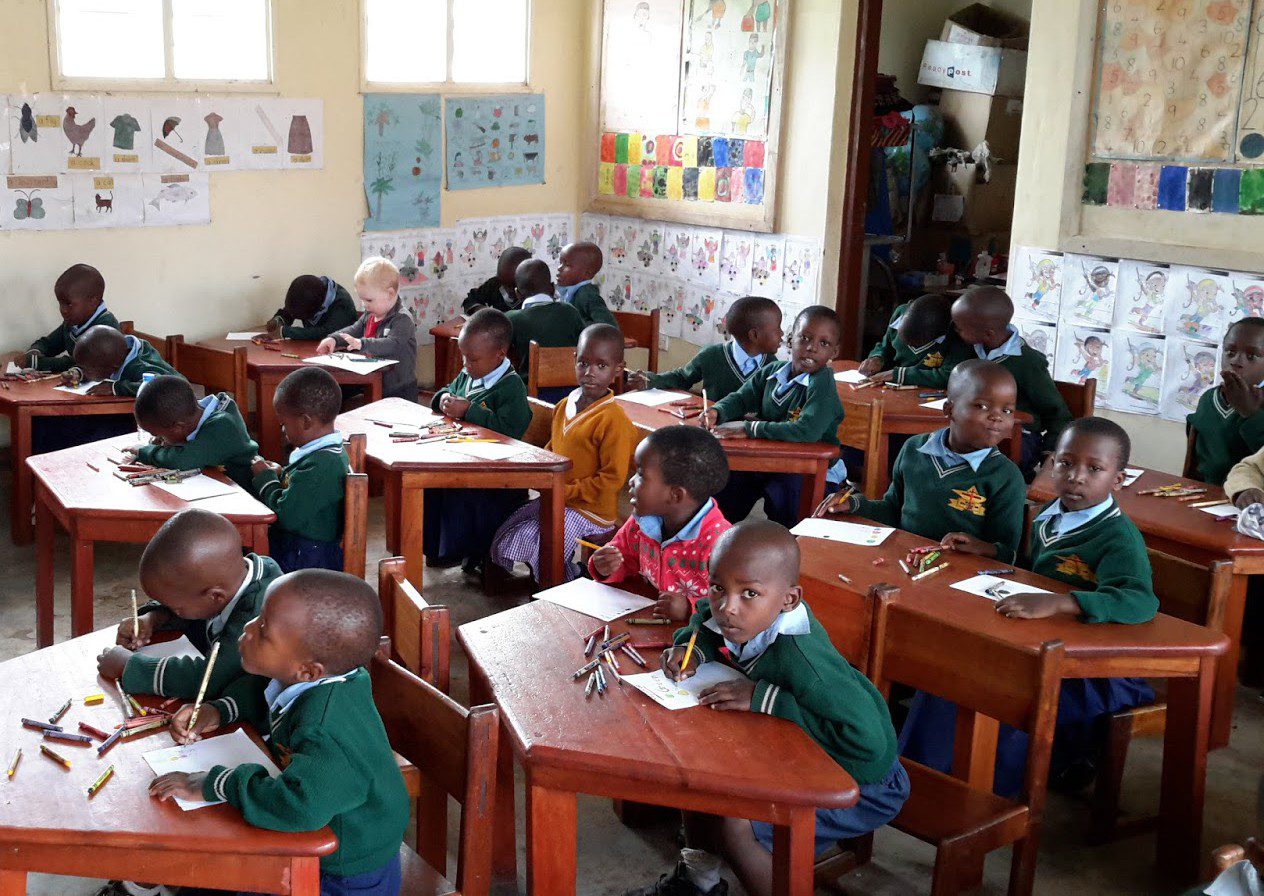
Chamabondo Primary School came alive today as UNICEF Zimbabwe Representative Dr. Etona Ekole joined pupils for a reading lesson, highlighting ongoing efforts to transform learning outcomes through early literacy, digital education, and clean energy initiatives.
Dr. Ekole, who temporarily “traded her representative’s hat for a teacher’s one,” visited the school to witness first-hand how collaborative interventions between UNICEF, the Government of Zimbabwe, and development partners are reshaping the education landscape.
The initiatives form part of a broader national effort to ensure inclusive and quality education for every child under the Ministry of Primary and Secondary Education (MoPSE).
Speaking during the visit, Dr. Ekole commended teachers and learners for their dedication, noting that early reading support and access to modern learning tools were critical to improving literacy levels.
“Education is the most powerful equaliser. Through partnerships with the Government and the Global Partnership for Education, we are ensuring that every child, regardless of where they come from, can read, learn, and reach their full potential,” she said
She added that UNICEF’s support goes beyond learning materials to include digital learning platforms, solar-powered classrooms, and teacher training all aimed at bridging the learning gap between rural and urban schools.
“Clean energy and technology are opening new doors for learners, especially in remote areas. We are leaving no child behind,” she added
In his remarks, MoPSE Permanent Secretary, Mr. Moses Mhike, said Government remained committed to strengthening early childhood development and literacy as key pillars of the education system.
“Our partnership with UNICEF and the UK Government continues to yield tangible results. From providing textbooks to improving digital access, these initiatives are equipping learners with the skills needed for the future economy,” Mhike said
The UK Ambassador to Zimbabwe, Mr. Peter Vowles, also praised the collaboration virtually , describing education as a cornerstone of sustainable development.
“Investing in education is investing in Zimbabwe’s future. We are proud to work with UNICEF and the Ministry to ensure that every child, especially girls and those in disadvantaged communities, have access to quality learning,” he said
The Chamabondo Primary initiative stands as a model of how strong partnerships can drive meaningful educational reform, empowering children in Victoria Falls and across Zimbabwe to thrive in a changing world.