
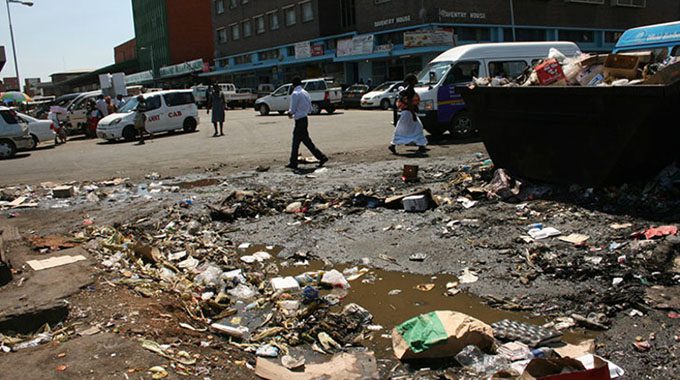
As Zimbabwe edges closer to the rainy season, concerns are mounting over the state of waste management in the country’s central business districts (CBDs). If history is any indication, the coming rains may once again expose the chronic failures of urban authorities, particularly those led by the opposition.
For years, city residents have watched in frustration as uncollected garbage and blocked drainage systems turn urban centres into rivers of filth once the rains begin to fall.
The problem is not new, nor is it caused by nature. It is the direct result of dysfunctional local governance. In cities like Harare, Bulawayo, and Gweru, CCC-run councils have consistently failed to maintain basic public infrastructure or implement sustainable waste management systems.
Overflowing bins, litter-strewn streets, and illegal dumpsites have become the norm. When rains come, the waste is washed into storm drains, clogging them and causing flash floods that damage roads, disrupt commerce, and threaten public health.
In previous rainy seasons, shop owners in downtown Harare and Mbare reported severe flooding that ruined goods and forced businesses to close temporarily. Pedestrians waded through contaminated water mixed with sewage and garbage, while motorists were stranded in flooded intersections.
Despite repeated warnings from environmental experts, city councils have done little to clean or upgrade the drainage infrastructure ahead of this year’s rains.
Critics argue that the opposition-led councils have prioritised political theatrics over service delivery. Instead of addressing waste collection inefficiencies, enforcing anti-littering by-laws, or investing in recycling initiatives, many councillors have been accused of corruption, infighting, and incompetence.
The blame is often shifted to central government, but residents say accountability must start at Town House.
As the rainy season approaches, there is still time for corrective action, but only if city authorities take responsibility. Councils must urgently deploy clean-up crews, unclog drainage systems, and increase the number of waste bins across high-traffic areas.
Public awareness campaigns are also vital to encourage proper waste disposal and community participation.
Zimbabwe’s urban centres were once models of order and cleanliness. Today, they stand as warnings of what happens when service delivery collapses under political mismanagement. Without immediate intervention, the approaching rains could once again wash away more than just litter, they could drown what little confidence residents still have in opposition-run local governance.