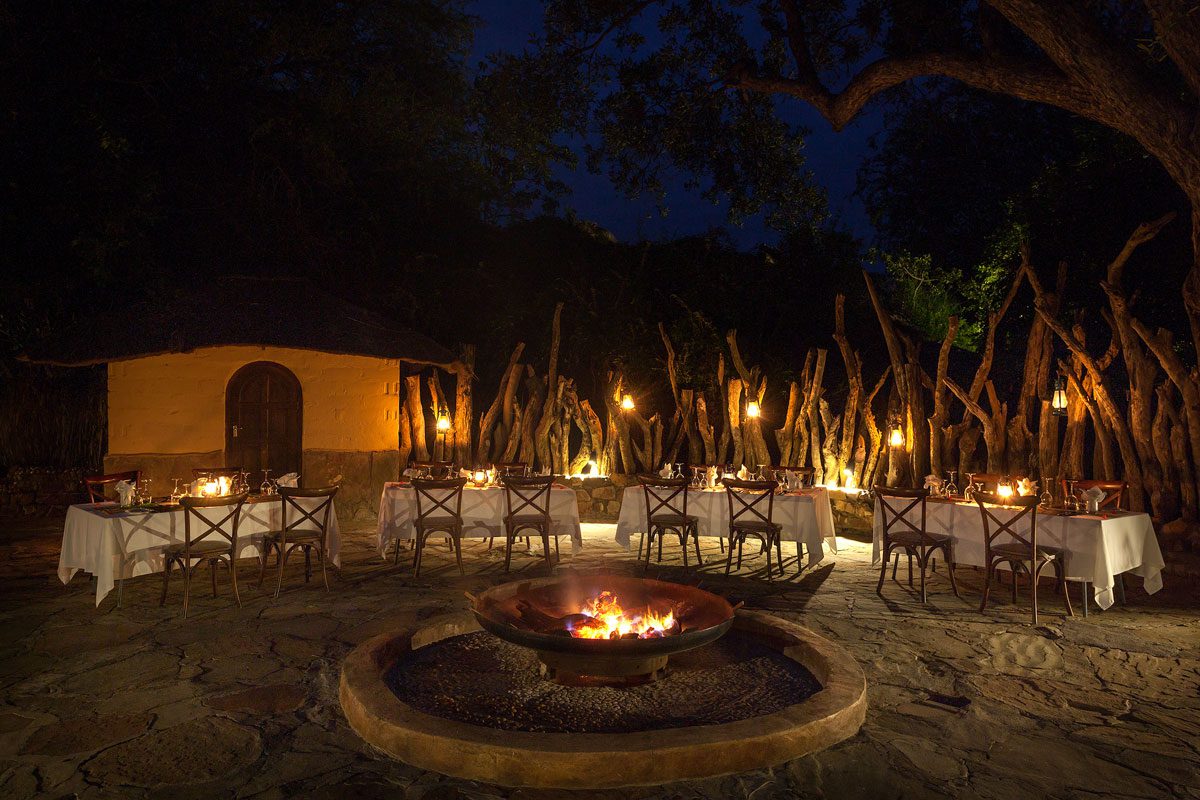
Last night, under the golden African sky in the heart of Zimbabwe, I found myself at The Boma Dinner & Drum Show in Victoria Falls, surrounded by music, laughter, the scent of fire-roasted meats, and the rhythmic pulse of traditional drums. It was not just an evening of entertainment it was an awakening of spirit, a reminder of who we are as Africans and what connects us beyond borders. The drumming, the laughter, and the warm communal energy all spoke a language that transcends words — the language of ubuntu, humanity, and oneness.
The drumbeats carried stories older than any broadcast or book. Each rhythm reminded me that storytelling has always been at the heart of African identity. When the dancers took to the stage, adorned in vibrant traditional attire, their movements told tales of triumph, love, and resilience. The dancers did not just perform they embodied our collective memory. As their feet hit the earth, I could feel the heartbeat of Africa echoing through the floor, connecting us to our ancestors.
The cuisine itself was a storyteller. Zimbabwean dishes like sadza, nyama, peanut butter stew, and mopane worms were more than food; they were cultural texts, each bite infused with history and heritage. The flavors spoke of the land, the rivers, and the hands that prepare them with care. Just like our oral traditions, our food preserves our stories — passed down from generation to generation, nurturing both body and identity.
As I sat there, enveloped in the aroma and the rhythm, I thought about the Broadcasters Convention Southern Africa (SABA 2025), which commenced that very day, October 28 2025, here in Victoria Falls. The event, hosted by the Zimbabwe Broadcasting Corporation (ZBC) in partnership with Broadcast Media Africa (BMA) and the Southern African Broadcasting Association (SABA), brought together media innovators, regulators, policymakers, and content creators from across the continent. The theme — “Content, Connectivity, Collaboration: Transforming Africa’s Broadcast Media Landscape in the AI Era” — echoed the very essence of what the evening at The Boma represented: the fusion of heritage and innovation.
At the convention, one resounding message emerged Africa must embrace new technologies such as artificial intelligence, but it must do so ethically, preserving the human touch and cultural authenticity that define our storytelling. SABA President Stanley Similo reminded broadcasters that while AI can accelerate creativity and efficiency, it must never erase our values. The Deputy Minister of Information of Zimbabwe emphasized the same, noting that technology should amplify our voices, not replace them. These sentiments reflect a truth we all feel: progress without identity is hollow.
In this spirit, Nikita Volkov, Deputy Head of International Cooperation and Distribution at RT Africa, highlighted the importance of empowering local storytellers to shape their own narratives. His remarks resonated deeply. For too long, Africa’s image has been filtered through foreign lenses, stripped of nuance and authenticity. Today, however, the continent is reclaiming its narrative, producing films, documentaries, and digital content that mirror the richness of everyday African life from the bustling streets of Nairobi to the serene landscapes of Zimbabwe.
The SABA 2025 discussions revealed that collaboration among African broadcasters is not just beneficial it is essential. The call to unite in one voice was loud and clear. When broadcasters share content, resources, and ideas, they strengthen the continental narrative and reflect the true spirit of ubuntu “I am because we are.” A united broadcasting front can counter the fragmented depictions of Africa that often dominate international media. It can project Africa as a continent of innovation, compassion, and unity rather than crisis and division.
This unity extends beyond technology and programming — it is cultural, emotional, and spiritual. The traditional dancers at The Boma moved as one body, guided by the same drumbeat, just as African nations must move together in rhythm toward a shared purpose. The drum becomes a metaphor for our collective voice — each nation a different note, but together creating harmony.
The convention also highlighted the importance of producing and distributing more local content that resonates with African audiences. Community broadcasters, rural storytellers, and young digital creators must all be included in the conversation. Their stories — told in indigenous languages, grounded in African realities — are the foundation of a media ecosystem that truly reflects who we are. As one speaker noted, if African broadcasters do not tell their own stories, someone else will, and those stories may not honor our truth.
There was also recognition that innovation must go hand in hand with inclusivity. Many Africans still lack access to reliable digital infrastructure. As the delegates discussed connectivity, they emphasized that storytelling means little if it cannot reach the people. Bridging the digital divide is thus not only a technological mission but also a cultural and social one — ensuring every African can hear and share their story.
These discussions find their reflection in what I witnessed that evening at The Boma. The food, the dance, the songs all were about connection. No one dined alone; no one danced in isolation. It was communal, participatory, and joyful the perfect metaphor for what African broadcasting should become. In the same way that a meal is shared among friends and family, stories must be shared across nations, across languages, across generations.
Africa must now unite in one voice in our storytelling, in our broadcasting, in our cultural preservation. We have reached a defining moment where technology and tradition can coexist to create something extraordinary. But that unity requires intention: collaboration between public and private broadcasters, partnerships across borders, and the courage to produce content that is unashamedly African.
The Boma Dinner and the SABA Convention together captured two sides of the same truth. One celebrated the spirit of Africa through drumbeats and dance; the other sought to shape Africa’s future through dialogue and innovation. Both reminded us that our strength lies in authenticity. When we speak from our own experience, when we dance to our own rhythm, when we cook and eat from our own soil, we tell stories that no algorithm can imitate.
As the drums faded into the night and the moon cast its gentle light over Victoria Falls, I felt a renewed sense of pride. Zimbabwe, with its breathtaking beauty, its music, and its people, stands as a microcosm of the African story vibrant, resilient, and ever-evolving. Our challenge now is to ensure that story reaches every corner of the world, told in our own words, through our own media, and in our own voice.
When Africa speaks as one united in purpose, grounded in heritage, and open to innovation the world will finally listen, not to a fragmented chorus of borrowed sounds, but to a powerful, resonant drumbeat that says: This is Africa. This is our story. And it will be told by us.