Everyday, thousands of disposable diapers are thrown away in Zimbabwean homes. For many parents, this is a routine act, but few consider what happens next.
Improper disposal of baby diapers has become an increasingly visible environmental and public health challenge in cities and towns across the country.
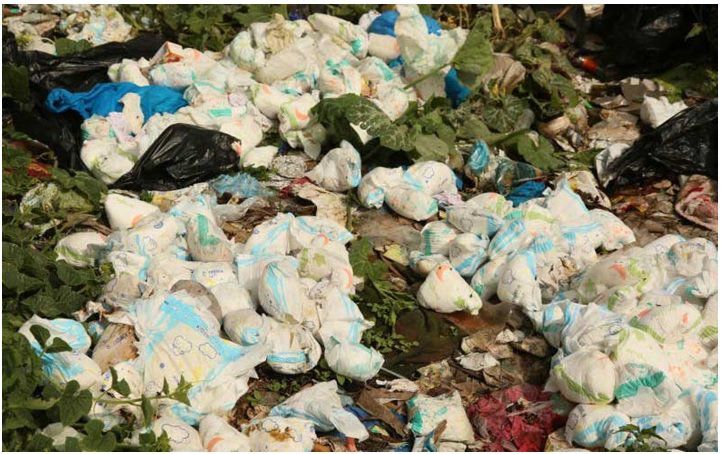
Discarded diapers are often seen piled in open spaces, along roadsides or dumped in streams, releasing harmful bacteria and polluting water sources.
Disposable diapers, while convenient, contain plastics, gels and absorbent chemicals that make them extremely difficult to recycle or decompose.
In landfills, they can take hundreds of years to break down, while in open dumps they release unpleasant odours and attract flies, dogs and scavengers, creating serious hygiene risks.
During the rainy season, improperly disposed diapers block drainage systems, leading to flash floods and contamination of nearby water bodies.
The health hazards are equally severe, as human waste in these diapers can transmit diseases such as cholera, diarrhoea and typhoid when handled or disposed of carelessly.
Proper disposal begins at home. Used diapers should always be wrapped in a plastic or biodegradable bag before being placed in household waste bins. Parents and caregivers must avoid throwing them in open spaces or burning them, as burning releases toxic fumes that can harm both people and the environment.
Local authorities also have a duty to ensure regular waste collection and to educate communities about safe waste management practices.
Ultimately, responsible diaper disposal is not just about cleanliness; it is an act of environmental stewardship and public health protection. Every parent has a role to play in keeping their community safe and clean.
The comfort we give our babies today should not come at the expense of the world they will inherit tomorrow.