When Donald Trump declared that the United States would take military action in Nigeria unless the country ended the killing of Christians by Islamist militants, Washington painted itself as the moral custodian of global justice, a self-appointed protector of the persecuted. The language was emotional, the posture heroic.
Yet behind the curtain of moral righteousness lies the familiar machinery of geopolitical opportunism.
This is not a new play. The United States has perfected the art of weaponizing humanitarian language to advance its economic and strategic ambitions.
Each time, the pretext is noble, democracy, human rights, protection of minorities, but the outcome reveals a consistent pattern of resource exploitation, regime destabilization, and disregard for international law.
Nigeria is simply the latest theater in this long-running geopolitical drama.
The Nigerian government was quick to reject Washington’s characterization of its internal affairs and reaffirm its sovereignty.
But Trump’s veiled threat of unilateral strikes and aid suspension was a stark reminder that when diplomacy fails to yield compliance, coercion swiftly follows.
The UN Charter clearly forbids the threat or use of force except in self-defense or with Security Council authorization, yet Washington routinely circumvents this rule, branding its unilateralism as “moral leadership.”
The Resource Play Behind the Rhetoric
Nigeria, Africa’s largest oil producer, sits atop vast reserves that have long attracted American interest.
The recent expansion of the Dangote Group’s oil empire, including the acquisition of over half a million tankers, has tilted the balance of influence in favor of indigenous African capital. For Washington, that shift is unsettling. Beneath the veneer of moral outrage, what truly seems at stake is energy access and control over the oil trade routes that power the global economy.
This strategy echoes US behavior in other regions. In Iraq (2003), Washington justified invasion with fabricated claims of “weapons of mass destruction” and the need to “liberate” the Iraqi people. The aftermath was catastrophic: over a million dead, a country fractured, and American oil companies reaping contracts from the chaos.
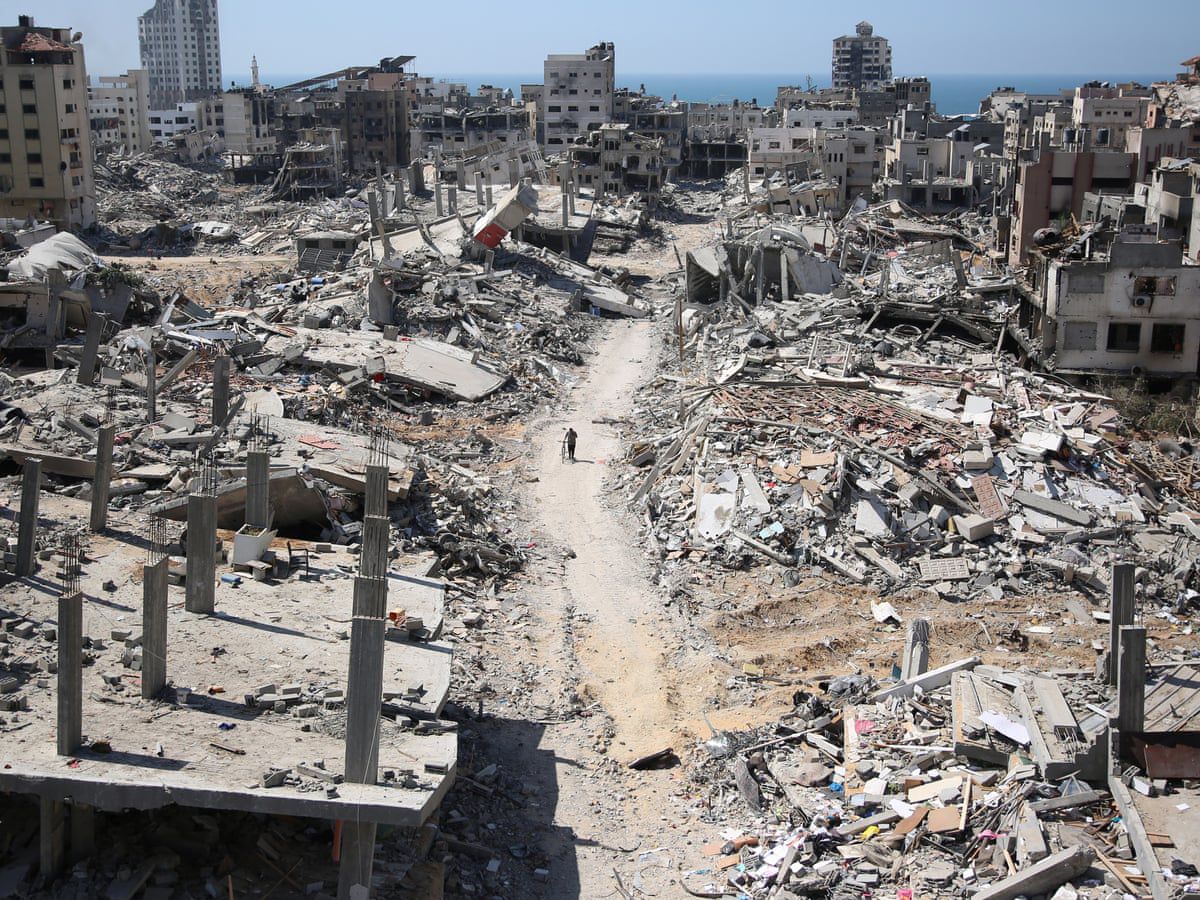
In Libya (2011), the US and NATO bombed under the banner of “humanitarian intervention” to protect civilians. But the real motive was control over North Africa’s largest oil reserves and Muammar Gaddafi’s plans to create an African gold-backed currency that threatened the petrodollar. Libya was left in ruins, its statehood shattered, a tragic symbol of how Western morality cloaks imperial ambition.
The same pattern appeared in Venezuela, where US sanctions and coup attempts were justified as “restoring democracy” even as they crippled the economy and starved ordinary citizens. Venezuela’s sin was simple: asserting sovereignty over its oil wealth and refusing to bend to Washington’s dictates.
And in Iran, decades of sanctions and covert operations are consistently rationalized through the language of “non-proliferation” and “human rights,” though the underlying contest is over regional dominance and control of energy routes in the Persian Gulf.
The African Double Standard
Africa has not been spared this moral masquerade. Zimbabwe was sanctioned under the pretext of promoting democracy and human rights, yet Washington turned a blind eye to worse abuses by its allies in the region. The real grievance was Harare’s land reform programme, an assertion of economic sovereignty that threatened Western interests.
Now Nigeria finds itself in similar crosshairs. The U.S. is invoking religion, the plight of Christians as a convenient moral lever. Yet, the violence in Nigeria is complex, affecting Muslims, Christians, and ethnic minorities alike.
By reducing this multidimensional crisis to a simplistic “Christians under attack” narrative, Washington manipulates global sympathy while obscuring its economic motives.
If the US truly cared about human rights, where was this moral fervor during the Saudi-led assault on Yemen, where American bombs killed thousands of civilians? Where was it when Israeli strikes decimated Gaza, or when France destabilized the Sahel in the name of “counterterrorism”? Selective morality is not morality at all. It is strategy disguised as virtue.
Law Undermined, Sovereignty Betrayed
By threatening to strike Nigeria without UN approval, the US once again undermines international law, the very law it helped craft after World War II.
The message is unmistakable: rules apply to others, not to Washington.
When powerful nations act with impunity, the international order descends into lawlessness.
The US claims to promote democracy abroad, yet its interventions often leave nations broken, institutions hollowed, and people disillusioned.
Iraq, Libya, and Syria are proof that American “help” can destroy more than it saves.
Now, if Nigeria is pressured or attacked under similar pretexts, the consequences for West African stability could be devastating.
The Real Path to Security
Nigeria’s challenges of terrorism, poverty, and ethnic division cannot be solved with foreign bombs or ultimatums. They demand internal reform: stronger institutions, equitable governance, and economic inclusion. These are sovereign solutions, not imported ones.
If the world tolerates this new form of militarized morality, it will normalize coercion as diplomacy and make economic might synonymous with righteousness.
Every time Washington invokes “humanitarian intervention,” the question should not be what principle is being defended, but whose interests are being served.
The moral theater is collapsing. Behind the curtain stands an empire that still believes its power entitles it to police the world, even as its credibility erodes.
Nigeria must resist being the next stage in this global performance of hypocrisy, where moral pretense conceals material greed, and “defending Christians” is just another way to seize control of oil.
Until America learns that justice cannot be bombed into being, its interventions will remain what they have always been: invasions dressed as virtue.