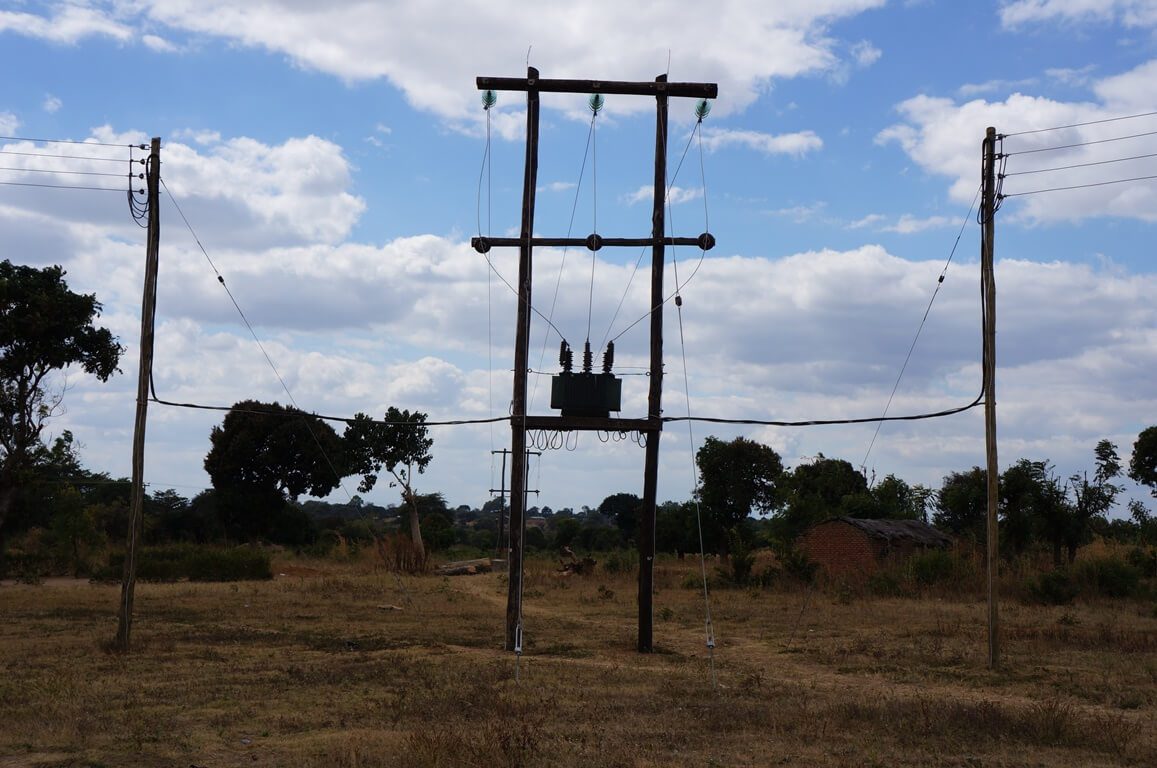
The Mabobolo community in Binga, Matabeleland North, has been officially connected to Zimbabwe’s national electricity grid, a development that is transforming lives and energising key institutions including schools, a clinic, and the local business centre. The project, implemented under Government’s accelerated Rural Electrification Programme (REP), is a major step towards ensuring equitable access to energy across the country.
The initiative aligns with the Second Republic’s vision of inclusive development and is part of the broader national strategy to achieve an upper-middle-income economy by 2030. For the people of Mabobolo, the arrival of electricity represents more than just the flick of a switch and it signals a shift toward progress, opportunity, and improved quality of life.
Speaking to the media recently, Minister of Energy and Power Development, July Moyo, emphasised that electricity is a cornerstone of rural transformation.
“Power is the backbone of rural development. Its arrival in Mabobolo signifies the government’s commitment to empowering rural communities through energy access,” he said.
Rural Electrification Agency (REA) Acting Chief Executive Officer, Felister Makumbinde, confirmed that the Mabobolo project forms part of an extensive electrification rollout in Matabeleland North.
“In this province, we have electrified a significant number of schools, clinics, and business centres as part of our national mandate to bring development closer to the people,” she said.
Principal Director in the Office of the Minister of State for Provincial Affairs and Devolution, Matabeleland North Province, Mr. Tapera Magoriya, said the development reflects the government’s dedication to inclusive growth.
“The coming of electricity is in line with President Mnangagwa’s Vision 2030, which ensures that no one and no place is left behind,” he said.
Local residents, teachers, and students have hailed the development as a game-changer that has already begun to transform their daily routines.
“I am happy with this development. As teachers, we no longer wish to transfer to towns because our living standards have improved,” said one teacher.
A student echoed similar sentiments: “We can now learn using computers since we have electricity at our school. It makes learning more exciting and modern.”
Another resident expressed relief that the clinic now has reliable power. “We are happy to have electricity because patients can now be treated even at night. It has made healthcare delivery easier and safer,” they said.
The electrification of Mabobolo is expected to stimulate economic activity, improve service delivery, and foster rural industrialisation, a critical component of the Second Republic’s strategy to create self-sustaining rural economies. With access to electricity, the once-remote community of Mabobolo is now plugged into the national grid and into a brighter future.