
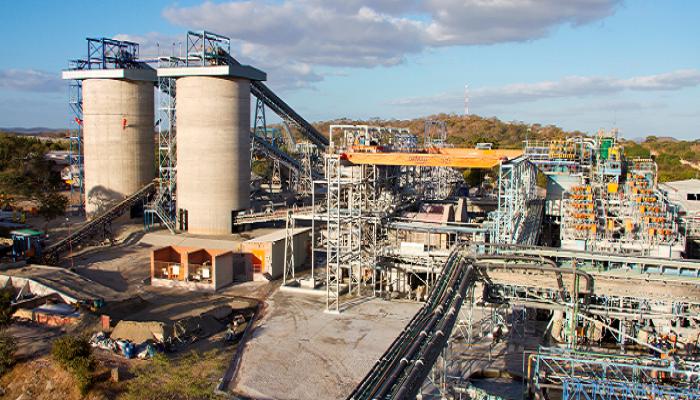
Zimbabwe is fast emerging as a hub of industrial self-sufficiency, with major strides being recorded in the iron, steel, and cement sectors which are the key pillars of the country’s infrastructure and manufacturing growth. In an interview with the media, Industry and Commerce Minister Nqobizitha Mangaliso Ndhlovu noted that the country is on track to achieve a historic trade surplus in iron and steel products for the first time, thanks to strategic investments and local value addition initiatives.
For decades, Zimbabwe had been heavily dependent on imports, spending over US$1 billion annually on iron and steel products. However, 2025 marks a significant turning point. Through the establishment of the Dinson Iron and Steel Company (DISCO) , one of the largest integrated steel operations in Southern Africa, imports have dropped dramatically, while exports are steadily climbing.
Minister Ndhlovu highlighted that this development represents more than just industrial growth and it signals Zimbabwe’s entry into a new era of economic independence and productivity.
“We are finally witnessing the results of deliberate policies designed to restore Zimbabwe’s position as a manufacturing and industrial powerhouse,” he said.
The same transformation is unfolding in the cement industry. For years, Zimbabwe relied heavily on imports from Zambia to meet domestic demand. Recognising the need for local capacity, Minister Ndhlovu invited Chinese investors operating in Zambia to establish production facilities within Zimbabwe instead of exporting cement across the border. The result was swift and impactful: within months, a new cement plant was established near Dzivarasekwa in Harare, which is already operational and helping to stabilise supply.
Building on this momentum, two additional large-scale cement plants are now under construction that are one in Magunje and another in Chegutu which are expected to significantly boost local production and reduce import dependency even further.
Minister Ndhlovu emphasised that these developments align with Zimbabwe’s Vision 2030, the national blueprint aimed at achieving upper-middle-income status through industrialisation, value addition, and sustainable growth.
“We are moving from an import-dependent economy to a production-driven one. The progress in the steel and cement industries is proof that our industrialisation agenda is working,” he said.
With these ongoing investments, Zimbabwe is positioning itself not only as a regional leader in heavy industry but also as a model for home-grown economic transformation. The surge in domestic production, coupled with a growing export base, reflects a resilient and self-reliant economy, one that is steadily reclaiming its place on the African industrial map.

a welcome development indeed, President Mnangagwa is a real game changer making the attainment of Vision 2030 a reality.