As Zimbabwe continues to challenge the lingering influence of colonial doctrines, a bold educational revolution is taking root, one that seeks to restore the spirit of ubuntu and provide African solutions to African problems. The introduction of the Heritage-Based Curriculum marks a decisive shift from colonial-era education models that prioritised employment over innovation, to one that empowers learners to produce, create, and lead.
Minister of Primary and Secondary Education, Torerayi Moyo, has hailed the new curriculum as a major milestone in reclaiming Zimbabwe’s intellectual and economic sovereignty.
Speaking recently at Champion International College in Harare, Minister Moyo said the Heritage-Based Curriculum is a practical response to President Emmerson Mnangagwa’s call for “Production, Production and Production.”
“This model is not borrowed, rather it is born of our own national aspirations. It recognises that for Zimbabwe to thrive in the 21st century, our learners must be equipped not just with knowledge, but with the skills to create, build and lead,” said Minister Moyo
For decades, African nations have grappled with development models and education systems imported from the West, systems that often fail to reflect the continent’s realities or address its needs.
Minister Moyo noted that with the West controlling the means of production, Africa remains largely a supplier of raw materials and a dumping ground for finished goods. This imbalance, he said, undermines local innovation and contradicts national efforts such as the Buy Zimbabwe Campaign, which aims to strengthen domestic production and industrialisation.
“The old colonial curriculum was good in theory but impractical in a post-colonial society. It trained us to serve rather than to lead. This new model changes that,” the Minister explained.
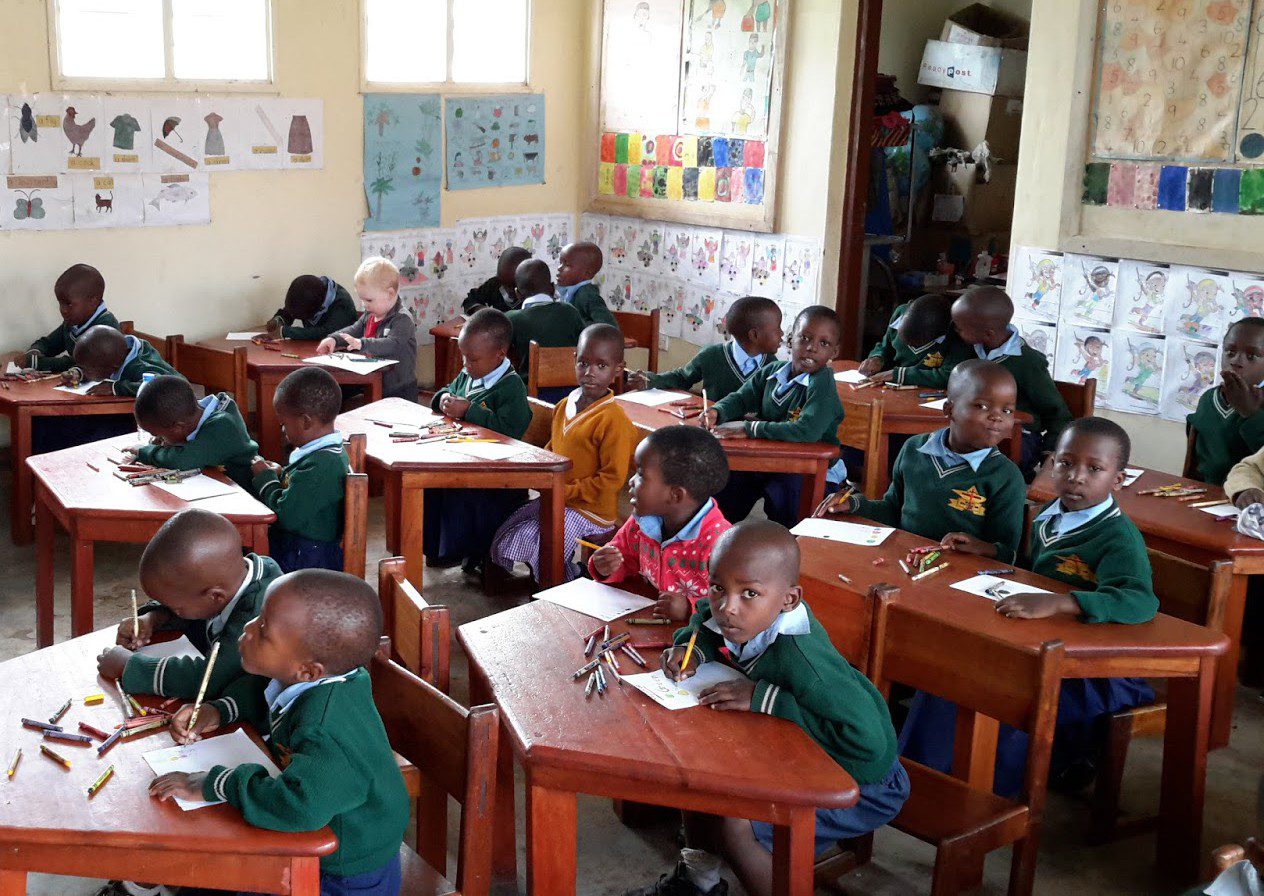
Under the Education 5.0 framework, schools across Zimbabwe both public and private are being encouraged to merge theory with practice, nurturing a generation of problem-solvers and innovators.
“We are witnessing a new generation of learners who are not waiting for jobs but are creating them. Across the country, students are engaging in entrepreneurial projects, from agriculture to digital innovation,” Minister Moyo said.
He emphasised that the Heritage-Based Curriculum is not just an academic reform but a national mindset shift. While critics have questioned its feasibility, Minister Moyo believes it holds the key to industrialisation, innovation, and reversing brain drain.
“With this new evolution,” he said confidently, “Zimbabwe shall create its own greener pastures.”
By embracing this home-grown approach to education, Zimbabwe is charting a new course, one where knowledge meets production, and education becomes a cornerstone of true independence and sustainable national development.