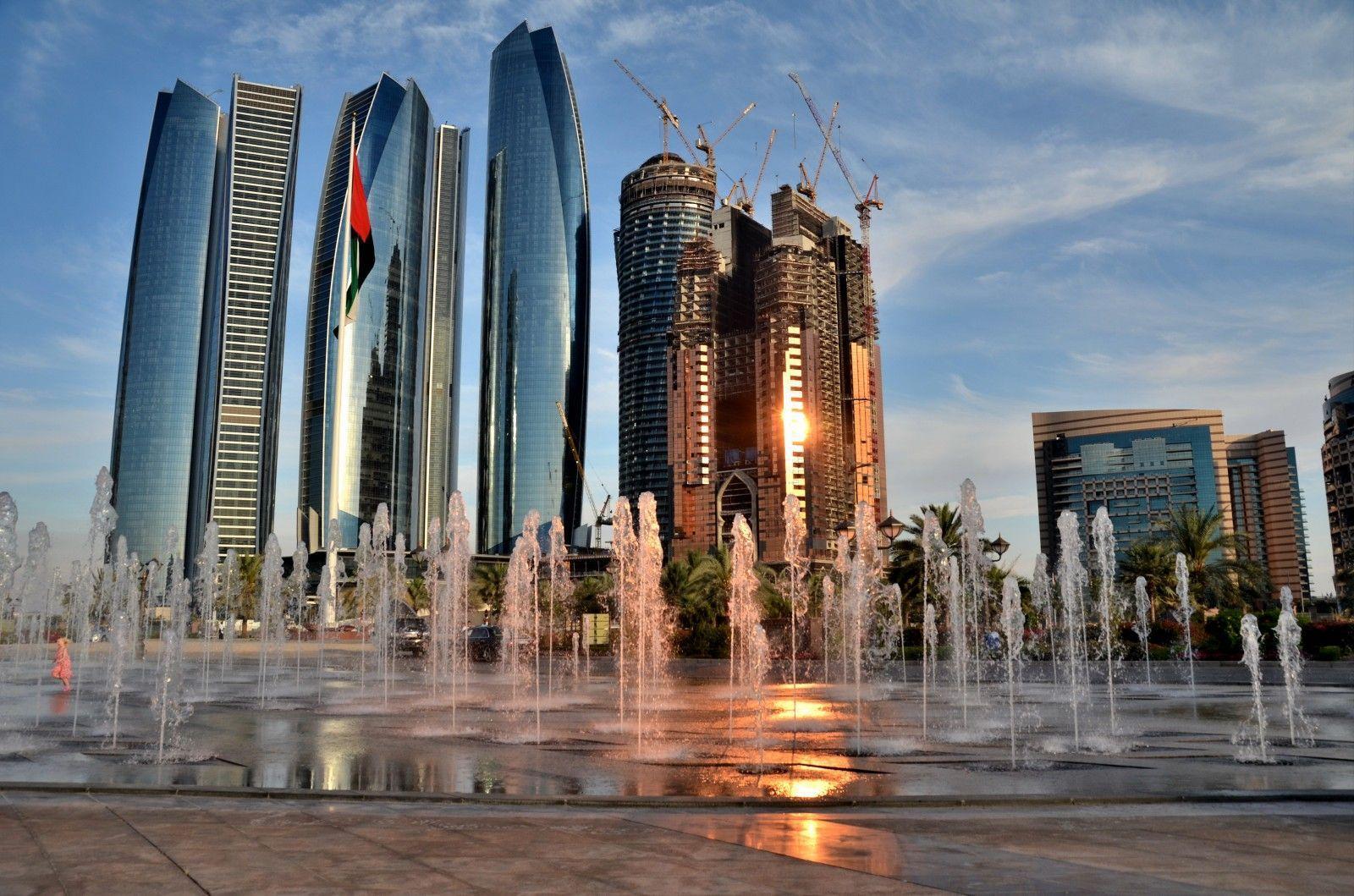
Abu Dhabi, UAE – Energy and Power Development Minister July Moyo is representing Zimbabwe this week at the Abu Dhabi International Petroleum Exhibition and Conference (ADIPEC), one of the world’s leading energy summits, where he is promoting the country’s vision for energy security, diversification, and private-sector participation.
The high-profile conference, which opened yesterday, has drawn 45 ministers, 250 top executives, and 1,800 speakers from around the world. This year’s edition focuses on innovation, youth engagement, and global collaboration — themes reflecting the urgent need to rebalance global energy systems amid shifting geopolitics and the accelerating transition to low-carbon economies.
For Zimbabwe, Minister Moyo’s participation marks a strategic opportunity to position the country as an emerging destination for energy investment. “The Government of Zimbabwe signs a Government support agreement with all investors in the energy sector, which provides tax incentives and ensures that they can externalize and amortize their loans, as well as remit profits,” Moyo told reporters in Abu Dhabi.
He said Government was creating a more investor-friendly environment to attract both local and international capital. “The capital markets in Zimbabwe can partner with international markets to invest in renewables or power generation. That means if you bring money, you can also tap into funding supported by pension and insurance schemes in Zimbabwe,” he added.
Zimbabwe’s push for energy independence comes as the nation — like much of southern Africa — faces persistent electricity shortages that have hampered industrial growth and productivity. “In Zimbabwe and Southern Africa, we have a shortage of energy, especially electricity, to sustain the growth taking place in mining, industry, and agriculture. Security of supply is one of our major challenges,” Moyo said.
To address this, Government has opened power generation and distribution to private players in a bid to expand access and boost capacity. “We have opened up generation, transmission, and distribution to the private sector to reach more people who still lack access to energy. At the same time, we are mindful of affordability,” he noted.
Minister Moyo said the introduction of cost-reflective tariffs — broken down across the energy value chain — aims to give investors clarity while protecting consumers. “Our cost-reflective tariffs are disaggregated so that if you invest in generation, transmission, distribution, or retail, you know your costs and expected returns. That’s how we are attracting business,” he explained.
The approach is designed to strike a balance between investor confidence and social equity, a key concern for a country seeking industrialisation amid high inflation and limited foreign currency reserves.
ADIPEC, hosted under the patronage of the UAE government, takes place at a time when energy security has become a defining issue globally. Supply chain disruptions, volatile fuel prices, and geopolitical tensions have exposed the vulnerabilities of traditional energy systems, prompting nations to diversify sources and accelerate investments in cleaner technologies.
This year’s summit is exploring pathways toward a “resilient and intelligent energy future,” with discussions focused on how innovation and policy coherence can drive equitable progress in the global energy transition. Minister Moyo is expected to participate in a session examining the intersection of geopolitics, trade realignments, and energy diversification — issues central to Africa’s industrialisation and access to sustainable power.
Zimbabwe’s energy mix remains dominated by ageing thermal plants and hydropower from the Kariba Dam, where low water levels have led to erratic output. To bridge the supply gap, Government is courting private investment in solar, wind, and gas projects while strengthening regional cooperation through the Southern African Power Pool (SAPP), a framework for cross-border electricity trading.
“To put it simply, we need energy security, stronger transmission and distribution networks, and affordable access for our people,” Minister Moyo said.