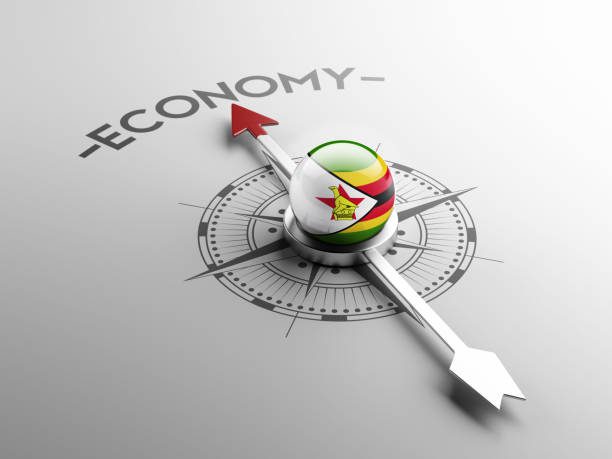
Zimbabwe’s economy is projected to expand by five percent in 2026, driven by strong performances in mining, agriculture, manufacturing, and infrastructure development. This forecast was unveiled in Bulawayo yesterday during the 2026 National Pre-Budget Seminar, marking a major step in the country’s march toward Vision 2030, which targets an upper middle-income economy.
Finance, Economic Development and Investment Promotion Minister Professor Mthuli Ncube outlined a fiscal framework anchored on stability, discipline, and inclusive growth.
“The economy is projected to grow by five percent next year, with the fiscal framework maintaining discipline and a deficit below three percent of GDP. Macroeconomic stability remains the cornerstone of our reform agenda, with the Zimbabwe Gold (ZiG) currency anchoring exchange rate stability, declining inflation, and renewed investor confidence,” said Professor Ncube.
Inflation, which is projected to close 2025 at 22.8 percent, is expected to decline to single digits by 2027, underpinned by continued fiscal prudence and economic reforms.
Agriculture, identified as the engine of rural livelihoods, will receive increased funding to support irrigation expansion and ensure full wheat self-sufficiency. The sector aims to transform into a US$10.3 billion industry, reinforcing food security and export growth. The mining sector is expected to expand by 6.2 percent, driven by surging production of gold, platinum, lithium, and coal key minerals underpinning Zimbabwe’s industrialisation agenda.
Infrastructure development remains central to the 2026 economic plan, with priority projects including the completion of Gwayi-Shangani and Kunzvi Dams, expansion of the national energy grid, and the modernisation of key transport corridors to facilitate trade and logistics.
Significant investment will also be channelled toward youth empowerment, innovation, and skills development, with the government determined to harness the demographic dividend for national productivity.
Speaker of the National Assembly Advocate Jacob Mudenda emphasised the need to strengthen domestic resource mobilisation to sustain the country’s fiscal ambitions.
“To achieve a robust Budget, there is a need to accelerate domestic resource mobilisation. Revenue collections reached ZiG$101.2 billion against a target of ZiG$118.1 billion, revealing the gap between revenue generation and expenditure,” he said.
He further urged greater formalisation of the informal economy, noting that 85.7 percent of Zimbabwe’s 3.4 million MSMEs operate outside the formal tax net. The 2026 Budget Strategy Paper targets 5,000 new MSME registrations by 2026, though Mudenda called for a far more ambitious digital approach to formalisation.
“Through digitalisation and Artificial Intelligence, ZIMRA can enhance efficiency, expand compliance, and unlock new revenue streams,” he said, adding that pension and insurance funds must be leveraged to support national infrastructure projects.
Zimbabwe’s 2026 budget strategy sends a bold message through growth that is inclusive, innovation-driven, and rooted in fiscal discipline is no longer aspirational; it is the nation’s active roadmap to Vision 2030.