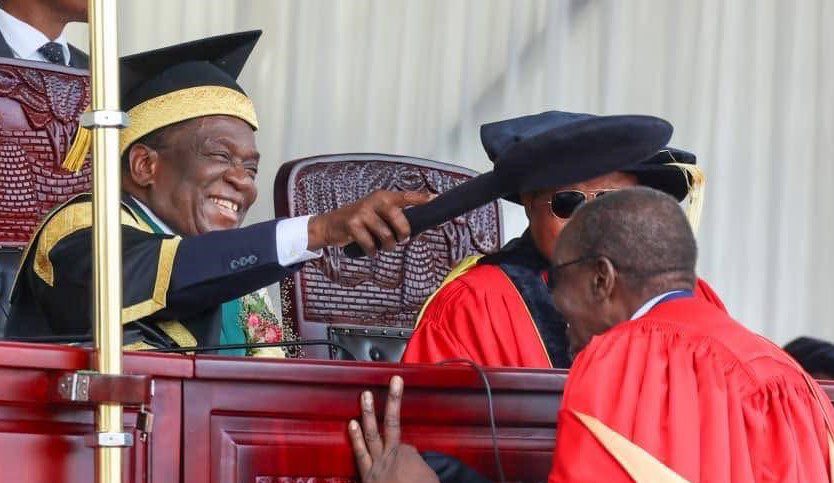
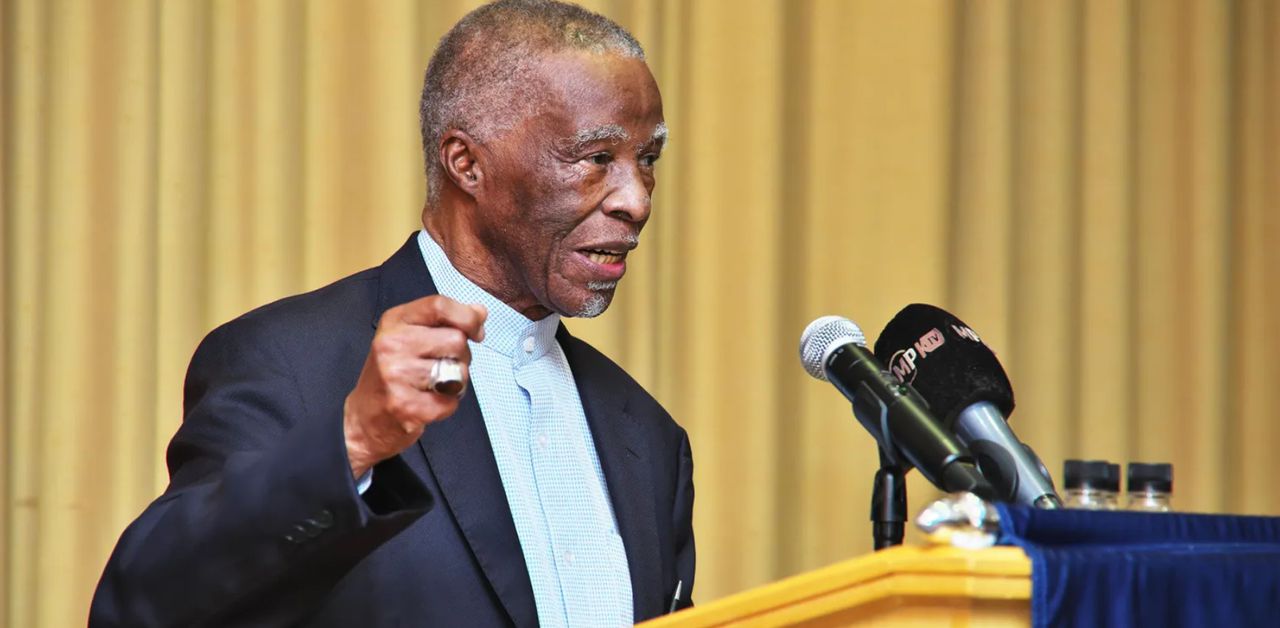
When former South African President Thabo Mbeki stood at Robert Mugabe’s memorial in 2019, he reminded the continent of an inconvenient truth: “Without Zimbabwe, there would be no free South Africa.”
His words were not nostalgia; they were a political diagnosis. The liberation of the region was never a solo act.
Zimbabwe trained, armed, and sheltered ANC fighters when apartheid’s bullets rained hardest. That interdependence built the foundation for today’s Southern Africa.
Yet, from the stages of Operation Dudula rallies to the podiums of Gayton McKenzie’s Patriotic Alliance, a new rhetoric has taken hold, one that trades that shared history for populist anger. It recasts Zimbabweans not as liberation allies but as intruders, criminals, and competitors for scarce jobs. Their slogans, “Abahambe!” “They must go!” sound simple; their consequences are profound.
McKenzie and Dudula’s leaders have mastered the language of scapegoating.
They link unemployment, crime, and failing services to the presence of migrants, ignoring that these crises pre-date large-scale Zimbabwean migration and are rooted in South Africa’s governance failures, structural unemployment, and deep inequality. It is a rhetoric of diversion: easy to chant, hard to defend with evidence.
Mbeki, by contrast, insists that the continent’s future lies in confronting political decay, not foreign neighbours.
At Mugabe’s memorial, he warned that “when we lose moral leadership, we betray the sacrifices of liberation.” His was a call for ethical renewal and regional cooperation, not border hostilities.
The logic was Pan-African: economic and political fates are intertwined. If Zimbabwe’s economy collapses, South Africa feels the migration pressure; when South Africa tightens its border or fuels xenophobia, Zimbabwe’s recovery and regional trade suffer in turn.
Dudula’s rhetoric rejects this interconnected reality. It thrives on visible pain, the jobless queue, the broken clinic, but converts it into hostility against those easiest to target.
McKenzie’s speeches offer moral theatre, casting himself as the defender of the poor while ignoring that local corruption, mismanagement, and patronage networks rob communities far more than migrant hawkers ever could.
The tragedy is that this politics of resentment weakens South Africa’s regional leadership. Pan-Africanism once positioned the country as a moral centre of the continent; now, scenes of mobs chasing street vendors are replayed from Harare to Abuja as proof of solidarity undone.
The economic damage follows too: the Southern African Development Community (SADC) is South Africa’s largest trading bloc.
A hostile environment for regional citizens undermines cross-border commerce, remittances, and even energy cooperation.
To expose Dudula’s and McKenzie’s rhetoric, we must re-centre Mbeki’s message: history binds Zimbabwe and South Africa more than borders separate them.
Migrant nurses keep Gauteng’s hospitals running; Zimbabwean teachers fill rural classrooms; thousands of South African businesses depend on cross-border supply chains.
Pretending that expelling these people will create jobs is not policy. It is propaganda.
The solution lies in governance reform and regional cooperation: tackle corruption, stimulate inclusive industries, and negotiate managed migration within SADC frameworks. That would address citizens’ legitimate frustrations without resorting to xenophobic populism.
Mbeki’s Pan-Africanism was never abstract idealism. It was a recognition that liberation succeeded only through mutual reliance. To betray that principle now by turning allies into scapegoats is to forget who we are and how we got here. South Africa’s renewal depends not on walls or deportations, but on reviving the solidarity that once made the region unbreakable.