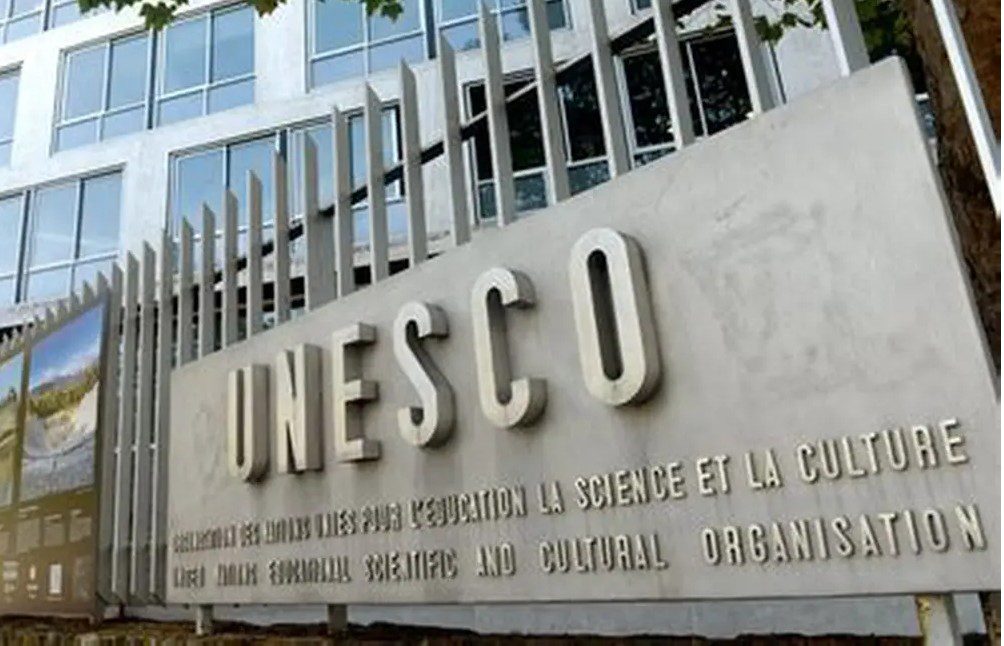
Zimbabwe has achieved a major diplomatic victory after being elected to the Executive Board of the United Nations Educational, Scientific and Cultural Organisation (UNESCO), a prestigious position that will allow the country to play a key role in shaping international policy on education, science, culture, and heritage preservation.
The announcement was made during the 43rd Session of the UNESCO General Conference, currently underway at the Silk Road Congress Centre in Samarkand, Uzbekistan, where member states voted to elect new members to the Executive Board.
Zimbabwe’s election reflects growing international recognition of its contributions to global cultural and educational development under the Second Republic’s policy of engagement and re-engagement.
Confirming the development, Zimbabwe’s Ambassador to UNESCO, Dr. Sekai Nzenza, who also serves as the nation’s Ambassador to France, Spain, Portugal, the Vatican, and UN Tourism, said Zimbabwe received overwhelming support from member states ranking second globally only to Malaysia and tying with Luxembourg in total votes.
“I am pleased to announce that Zimbabwe won a seat on the UNESCO Executive Board. We had the highest numbers in Africa and overall were only second to Malaysia. I am most grateful to the many countries that supported us. As Zimbabwe’s permanent delegate to UNESCO based in Paris, I look forward to working together with other member states to promote international cooperation while protecting and promoting Zimbabwe’s five UNESCO World Heritage Sites such as Victoria Falls, Mana Pools, Great Zimbabwe Monuments, Matobo Hills, and Khami Ruins,” said Dr. Nzenza.
Meanwhile, Permanent Secretary in the Ministry of Sport, Recreation, Arts and Culture, Mr. Nicholas Moyo, said Zimbabwe used the UNESCO platform to push for the unconditional repatriation of cultural artefacts and human remains taken during the colonial era.
“Our major thrust as a country is ensuring that the remains of our forefathers and artefacts such as the Zimbabwe Bird, which were taken during colonial times, are returned without conditions.
“These objects are part of our identity and spirit. Their return will allow the souls of our ancestors to rest in peace. We also aim to have more of our tangible and intangible heritage listed in UNESCO’s World Registers,” said Moyo
Zimbabwe now joins 57 other member states that will serve on the UNESCO Executive Board for the next four years, guiding the organisation’s strategic direction and global policy priorities.
The election underscores Zimbabwe’s growing diplomatic stature and reinforces its commitment to advancing sustainable education, cultural preservation, and scientific innovation. It also strengthens the country’s voice in international cultural diplomacy, positioning Zimbabwe as a key player in shaping the future of global knowledge and heritage governance.