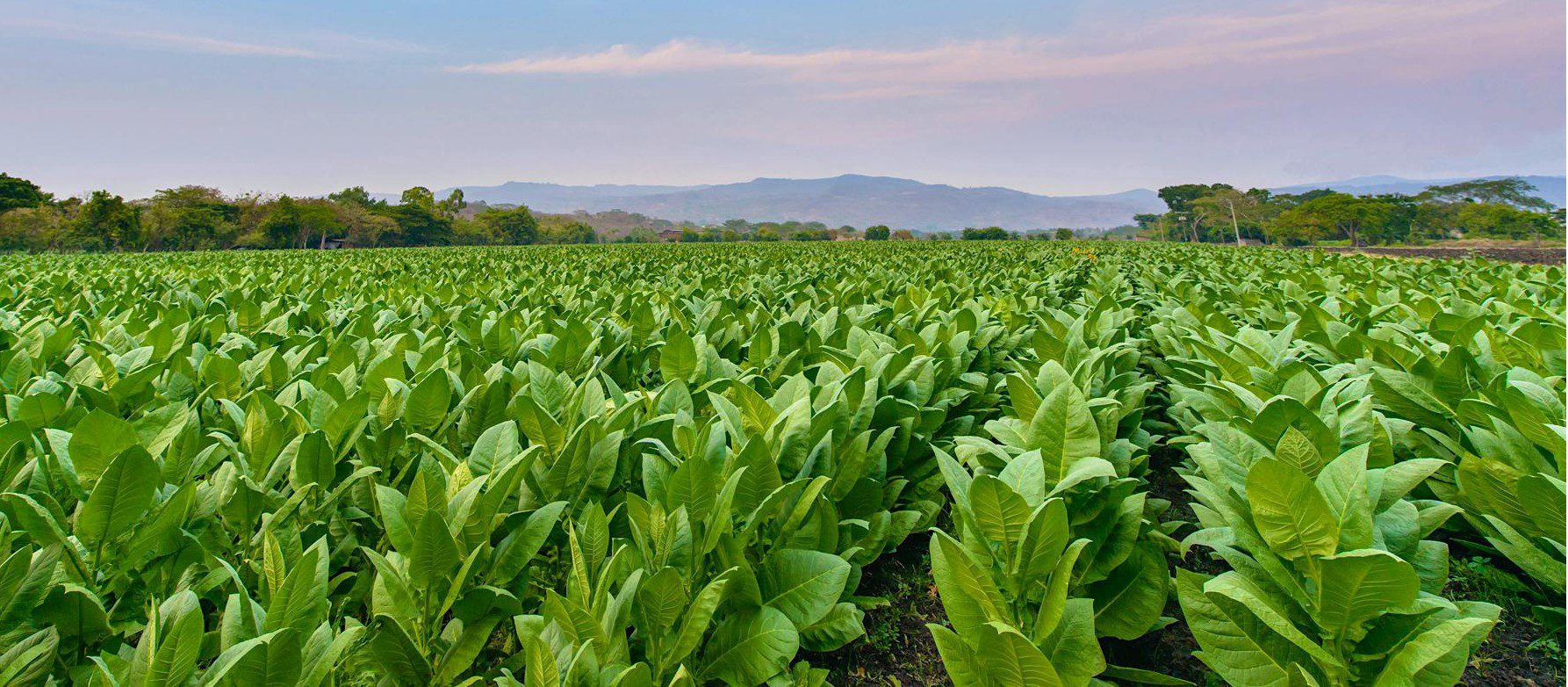
Zimbabwe’s agricultural landscape continues to demonstrate resilience, adaptability, and potential, with the tobacco industry standing as a shining example of national achievement and economic promise. The 2025/26 tobacco season has already recorded significant progress, with more than 27,000 hectares planted, marking a 22 percent increase compared to the same period last year. This surge in production underscores the sector’s central role in driving rural development, supporting livelihoods, and contributing substantially to the country’s export earnings.
Tobacco, often referred to as the “golden leaf,” has long been a cornerstone of Zimbabwe’s agricultural economy. The crop’s success is tied not only to favourable market prices but also to efficient payment systems and robust support mechanisms that ensure farmers receive timely returns for their efforts. The current season shows that the bulk of the crop—23,517 hectares—is under irrigation, reflecting a commitment to modern farming practices and enhanced productivity, while 3,698 hectares are under dryland cultivation. This balance illustrates a strategic approach to maximising output under varying climatic conditions, ensuring that the industry remains resilient despite environmental challenges.
The regional breakdown of production paints a particularly encouraging picture. Mashonaland East has registered an impressive 41 percent increase, with farmers putting 8,260 hectares under tobacco, up from 5,878 hectares last year. Manicaland recorded a 17 percent rise, totaling 9,498 hectares, while Mashonaland West saw a 15.4 percent increase. Mashonaland Central also posted gains of 8 percent, reaching 5,098 hectares, with Midlands and Masvingo provinces recording remarkable growth rates of 100 percent and 92 hectares, respectively. These figures demonstrate that the industry’s growth is not isolated but widespread, benefiting multiple provinces and diversifying production risks across the country.
Zimbabwe’s leadership in the African tobacco sector is undisputed. The country remains the largest producer of tobacco on the continent and is ranked fourth globally, behind China, India, and Brazil. Beyond prestige, this achievement has tangible economic impacts. The industry supports over 130,000 households, contributing to rural livelihoods and food security, and accounts for more than half of Zimbabwe’s agricultural exports. Last season, tobacco sales generated US$1.2 billion, illustrating the crop’s capacity to generate substantial foreign currency inflows and strengthen the national economy.
Notably, small-scale farmers are the backbone of the sector, producing over 85 percent of tobacco, with more than 60 percent being beneficiaries of the land reform programme. This highlights tobacco’s role as a vehicle for inclusive economic growth, ensuring that land reform initiatives translate into productive, income-generating activity. The success of smallholder farmers in tobacco also underscores the effectiveness of targeted policies that combine access to land, financing, technical support, and market linkages.
The future of Zimbabwe’s tobacco industry is equally promising. Through the Agriculture Food Systems and Rural Transformation Strategy 2 (AFSRTS 2), Government and industry stakeholders are adopting a forward-looking agenda aimed at boosting production, increasing value addition, and achieving a US$7 billion industry by 2030. Central to this strategy is the localisation of financing, which ensures that resources for seed, fertiliser, irrigation, and other inputs are accessible to farmers without undue dependency on external loans. Localised financing mechanisms can also accelerate the adoption of innovative farming practices, reduce operational risks, and enhance the competitiveness of Zimbabwean tobacco in global markets.
Another key pillar of the strategy is value addition and beneficiation. By processing raw tobacco locally into refined products, Zimbabwe can capture a larger share of the global value chain, increasing revenues, creating jobs, and stimulating industrial growth. Additionally, the promotion of new tobacco types, such as naturally cured, dark fire cured, cigar, and shisha varieties, is aimed at penetrating niche markets with higher profit margins. Diversifying the product offering not only strengthens Zimbabwe’s market position but also protects farmers from the volatility of traditional bulk tobacco markets.
The ambitious production target of 500 million kilograms annually by 2030 reflects confidence in the sector’s capacity to grow sustainably while meeting both domestic and international demand. Achieving this milestone will require continued investment in infrastructure, training, research, and market development. However, the strong start to the 2025/26 season indicates that Zimbabwe is on the right path, combining proven farming practices with innovative strategies to maximise output and profitability.
Beyond the economic numbers, the tobacco industry carries a broader social and developmental significance. The sector has a direct impact on rural communities, providing employment, generating income, and fostering entrepreneurship. It enables families to access education, healthcare, and other essential services, contributing to poverty reduction and social stability. The industry’s growth also stimulates ancillary sectors such as transport, packaging, warehousing, and finance, creating a multiplier effect that benefits the wider economy.
Zimbabwe’s success in tobacco is not merely about production; it is about strategic positioning, policy foresight, and empowerment of citizens. By strengthening local capacity, supporting smallholder farmers, and promoting value-added products, the country is building a resilient agricultural sector capable of withstanding external shocks, such as global price fluctuations or climate variability. This resilience is critical for achieving long-term development objectives and positioning Zimbabwe as a leading agricultural powerhouse in Africa.
In conclusion, the 2025/26 tobacco season represents more than a record in hectares planted; it signifies a nation committed to harnessing its agricultural potential for inclusive growth, export earnings, and rural development. The strides made in irrigation, smallholder empowerment, and product diversification underscore a sector poised for sustainable growth. As Zimbabwe aims for a US$7 billion tobacco industry by 2030, the current trends demonstrate that with strategic planning, innovation, and stakeholder collaboration, the golden leaf will continue to shine as a symbol of national pride and economic progress.
The tobacco industry exemplifies how targeted investment, sound policies, and farmer-centric approaches can transform a sector into a driver of development. Its success story is a beacon for other agricultural industries, illustrating that with vision, support, and determination, Zimbabwe can achieve sustainable growth, enhance livelihoods, and secure a prosperous future for all its citizens.