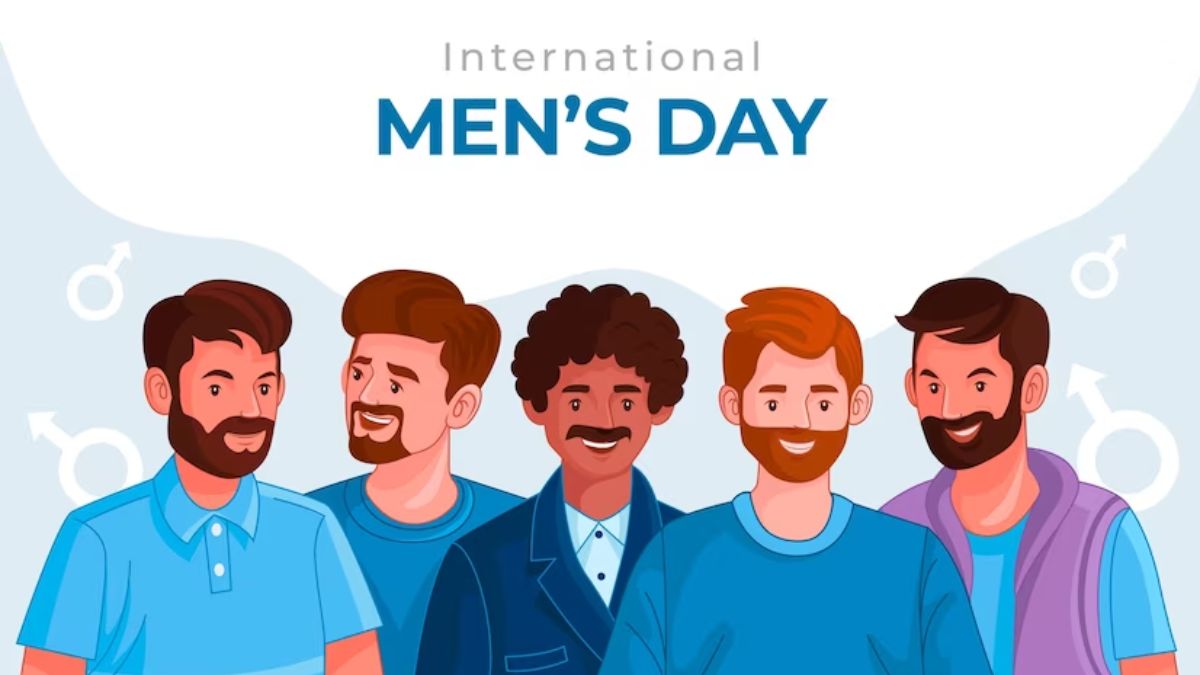
International Men’s Day, marked each year on November 19, often passes quietly in the shadow of other global commemorations. Yet its significance is profound. It is a day dedicated not only to celebrating the contributions of men in society, but also to acknowledging the pressures they face, the silent battles they fight, and the essential roles they play in families, communities, workplaces, and national development. At a time when the world is grappling with shifting social values, rising mental health challenges, and evolving gender dynamics, International Men’s Day offers a crucial moment for reflection.
Men are often expected to be the silent anchors of society, providers, protectors, problem-solvers, and sources of stability. They are taught to be strong without weakness, dependable without pause, and resilient without rest. But behind these expectations lie real human beings who carry emotional, psychological, and economic burdens that frequently go unspoken. The importance of this day lies precisely here: in recognising men not as stereotypes, but as individuals whose well-being and contributions deserve appreciation and support.
From the home to the workplace, the impact of men is woven deeply into the fabric of everyday life. In families, fathers play a vital role not only as providers but also as nurturers and mentors. Modern fatherhood continues to evolve, with men increasingly taking hands-on roles in parenting, guiding children, offering emotional support, and shaping values that define future generations. This shift challenges outdated notions that caregiving is a female domain and reveals a truth long known but seldom highlighted: that a present, engaged father figure is one of the most powerful influences in a child’s life.
Beyond the home, men form the backbone of numerous communities. They are teachers, spiritual leaders, coaches, innovators, entrepreneurs, peacekeepers, and volunteers. In many societies, men take on high-risk professions in security, mining, construction, transport, emergency response, and defence roles that keep countries functioning and safe. These contributions, though often taken for granted, deserve recognition. And yet, despite playing integral roles in society’s growth and stability, men’s issues remain under-discussed, overshadowed by stereotypes that discourage vulnerability.
One of the most pressing issues International Men’s Day seeks to highlight is men’s mental health. Globally, men are far more likely to die by suicide than women. They underreport depression, trauma, and stress. They are less likely to seek counselling or emotional support. The cultural norms that discourage men from expressing vulnerability or seeking help have devastating consequences. In African societies, including Zimbabwe, men are often conditioned to “suffer in silence,” to push through hardship without complaint, and to prioritise the well-being of others over their own. These silent expectations lead to burnout, emotional detachment, and, in extreme cases, substance abuse or self-harm.
Recognising men’s mental health is not about placing men above women instead, it is about understanding gendered realities and ensuring that every person regardless of gender has access to emotional support and freedom from stigma. Encouraging male mental wellness strengthens communities, reduces violence, fosters healthier relationships, and builds more emotionally intelligent generations. International Men’s Day is an opportunity to humanise men, reminding society that strength and vulnerability are not opposites but coexist within every individual.
Another key pillar of the commemoration is celebrating positive male role models. Too often, media narratives highlight toxic masculinity, yet countless men embody empathy, leadership, humility, and integrity. They quietly shape society for the better by mentoring youths, leading communities with compassion, and demonstrating that masculinity can be caring, responsible, and empowering. International Men’s Day encourages us to spotlight these men, not to elevate them above others, but to provide the world with visible examples of the kind of balanced masculinity society needs.
It is also essential to reflect on the economic contributions of men. Men form a significant portion of the labour force in many critical industries. Their role in driving development, supporting families financially, and sustaining national industries is undeniable. But with economic expectations comes enormous pressure. Many men carry the weight of being primary breadwinners, even in households where women also contribute. These pressures can lead to chronic stress and deteriorating mental and physical health. Recognising these challenges does not diminish women’s struggles rather, it fosters gender empathy by acknowledging that both men and women face unique pressures that must be addressed collectively.
International Men’s Day is also a call to action. It demands that societies create environments where men feel safe to express themselves, where boys grow up understanding that emotions are not weaknesses, and where men are supported in seeking help. It urges policymakers to design mental health programmes accessible to men, workplaces to adopt gender-sensitive wellness initiatives, and communities to rethink harmful stereotypes that confine individuals to rigid roles.
In Zimbabwe, where cultural expectations around masculinity are deeply rooted, this conversation is especially important. Young boys are often taught to be tough from early childhood, discouraged from crying, and pushed into the role of future providers. These teachings, though often well-intentioned, shape men who struggle to express emotions or ask for support. Celebrating International Men’s Day in Zimbabwe offers a powerful opportunity to challenge these norms, promote healthier masculinities, and honour men who continue to guide families and communities with strength, compassion, and quiet resilience.
As society evolves, so too must our understanding of what it means to be a man. Masculinity should not be measured only by physical strength, economic success, or stoic endurance. Instead, it should embrace emotional intelligence, responsibility, empathy, and service. These qualities do not weaken men; they strengthen families and nations.
International Men’s Day is not just a celebration but it is a reminder. A reminder to appreciate fathers, brothers, husbands, colleagues, leaders, and friends. A reminder to listen to men when they express pain or pressure. A reminder to teach boys that kindness is strength, that respect defines real manhood, and that seeking help is a sign of courage. It is a day to recognise the men who build, who protect, who teach, who sacrifice, who guide, and who love often quietly, without applause.
In celebrating men, we celebrate balance. In acknowledging men’s struggles, we promote healing. And in honouring men’s contributions, we strengthen the very foundations of society. International Men’s Day is more than a date on the calendar rather it is an invitation for all of us to reimagine a world where men and women uplift each other, where gender roles do not confine but empower, and where every individual’s humanity is valued.
Today, we pause to say: men matter. Their well-being matters. Their voices matter. Their contributions matter. And a healthier, more empathetic world begins with recognising that.
Why men matter: Celebrating strength, sacrifice and humanity