Health authorities and environmental regulators have encouraged the country to intensify responsible drug use and coordinated sectoral action to prevent drug-resistant infections from escalating into a national health emergency.
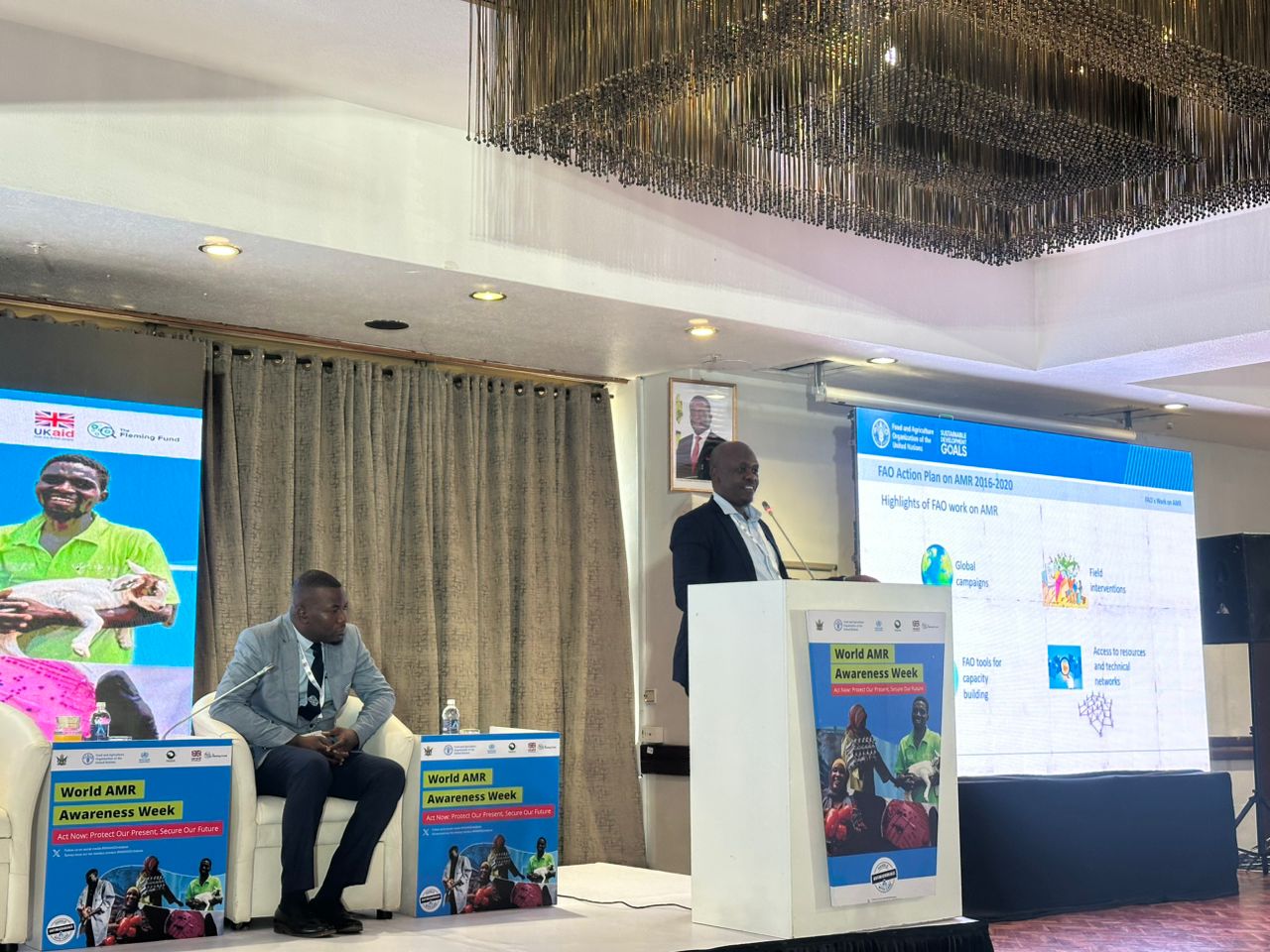
Speaking to this publication on the sidelines of the Zimbabwe Antimicrobiotic Resistance conference (AMR) held at the Harare International Convention Centre today, a representative from the Medicines Control Authority of Zimbabwe (MCAZ), Dr. Tapiwa Murenje, said the regulator is increasingly concerned about the misuse of antibiotics in both human and animal health sectors.
“We are seeing worrying patterns of irrational prescribing and over-the-counter access in some facilities. If we do not tighten regulatory compliance and enhance public awareness, Zimbabwe risks facing treatment failures for common infections.
MCAZ will scale up inspections and strengthen collaboration with veterinary authorities to curb illegal antibiotic sales,”he added
A representative from the Food and Agriculture Organization (FAO), Dr. Mark Obanyo, emphasised the role of agriculture and food systems in preventing antimicrobial misuse.
He said FAO has been supporting Zimbabwe through tools, networks and regional programmes aimed at improving surveillance and mapping resistance trends.
“Zimbabwe has been one of the strongest contributors to the RENOFAM project, which runs from 2023 to 2032.
This initiative is helping countries build capacity on responsible antimicrobial use in livestock and to develop evidence-based tools such as Rainbow Combo Maps. Zimbabwe is expected to finalise its own map by year-end, and that will greatly improve targeted interventions,” he noted
Environment Management Agency (EMA) representative Mr. Brian Shonganyika said AMR must also be treated as an environmental threat.
“Antibiotic residues are finding their way into soil and water systems due to poor disposal practices and untreated effluent.
EMA is increasing environmental monitoring and working with councils and industries to ensure pharmaceutical waste is properly managed,” he said
Meanwhile, the conference is continuing tomorrow and is expected to produce a revised national AMR action plan and strengthen partnerships across government and development agencies.