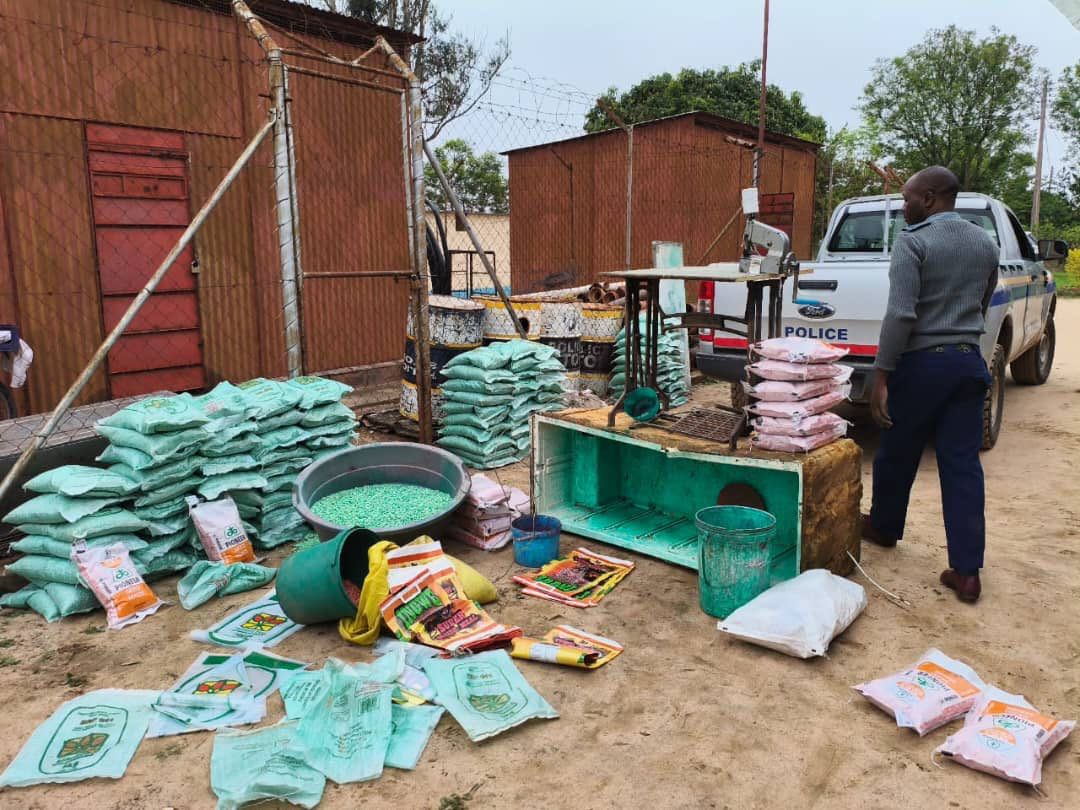
Zimbabwe has entered the farming season, which has already begun with planting activity across all provinces. This is a moment of national hope, a moment when farmers invest their savings and energy in the expectation of a productive harvest. Yet this season also brings a growing threat that demands urgent attention, the rise of fake seeds, counterfeit fertilisers and adulterated agro chemicals that continue to circulate in informal markets.
The presence of these fake inputs is not a small inconvenience, it is a serious agricultural danger. Farmers who unknowingly plant counterfeit seed risk poor germination, stunted crops and in the worst cases, complete field failure. Fake fertilisers and diluted chemicals cause equally destructive results. They weaken crops, invite pests, fail to control weeds and ultimately undermine the entire production cycle. For a farmer who has spent the little available income on inputs, such losses are devastating. They destroy confidence, they destroy household food security and they destroy the ability to generate income for the next planting season.
The impact does not stop at the farm gate. When fake inputs disrupt harvests in many districts, the entire country suffers. Zimbabwe depends on its farmers for national food supply, for raw materials in industry and for export earnings that strengthen foreign currency reserves. Poor yields caused by counterfeit inputs reduce national production, increase the import bill, weaken agro industry and shrink income opportunities for rural communities. Every fake bag of seed or fertiliser in circulation is therefore a direct threat to national development.
Farmers must understand that counterfeiters thrive during periods of high demand. They appear at growth points, at bus termini, at open markets and even at rural business centres offering cheap products that appear genuine. These products often carry copied labels, copied bags, copied logos and copied colours. Many farmers are deceived because the packaging looks convincing, but the substance inside is not what is promised. This is the moment to be more vigilant.
The most effective defence is simple and essential. Farmers must buy all seed, all fertilisers and all agro chemicals only from established and authorised sellers. These include registered agro dealers, reputable input shops, official company outlets and recognised cooperatives. Established sellers issue receipts, follow proper storage standards and protect the quality of products. They are accountable for what they sell and they source directly from manufacturers. Cheap roadside offers may appear attractive, yet they usually come with a hidden cost that is paid only when the crops fail.
Conscientisation is therefore urgent. Farmers must check for authentic labels, serial numbers, proper seals and certification tags. They must avoid repackaged products, suspicious discounts and inputs that are sold in informal spaces. They must consult extension officers whenever in doubt and they must report suspected fake products to authorities so that others are protected.
Zimbabwe has entered a decisive farming season and the foundation of a successful harvest lies in the quality of the inputs used today. The nation cannot afford losses caused by fake seeds and chemicals. Agriculture is the backbone of rural income, the backbone of national production and the backbone of food security. Every farmer must therefore act with caution, with awareness and with responsibility. Buying only from established sellers is not merely a personal choice, it is a patriotic duty that protects fields, protects families and protects Zimbabwe’s agricultural future.