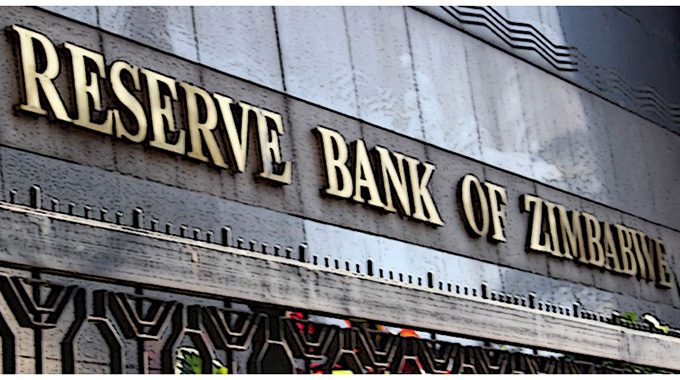
Zimbabwe is stepping up its defence against financial crimes and currency instability, with the Reserve Bank of Zimbabwe’s Financial Intelligence Unit (FIU) reinforcing systems built under President Mnangagwa’s currency reform agenda. Authorities say these measures are crucial for “protecting national financial stability” and strengthening the country’s credibility among global partners.
The intensified clampdown traces back to 2022, when President Mnangagwa launched a comprehensive strategy to halt what he described as “currency sabotage and illicit financial flows” that had weakened the local currency. The RBZ immediately deployed the FIU to restore order in the market. This resulted in the arrest and prosecution of illegal money changers, currency manipulators, and non-compliant businesses including retailers, pharmacies, and law firms. Offenders received fines, warnings, and in many cases had their bank accounts frozen until they complied.
Zimbabwe’s progress was swiftly acknowledged that same year when the country was removed from the Financial Action Task Force (FATF) “grey list”. Authorities said the delisting was a clear sign of “international confidence” in the country’s strengthened anti-money laundering framework.
Enforcement efforts escalated further in 2023. The FIU recommended blacklisting repeat violators and revoking business licences for those who continued to defy regulations. Finance Minister Professor Mthuli Ncube reinforced this strict stance, refusing to approve any government tenders that used speculative exchange rates. He instructed all departments to “align their figures with prevailing market conditions” to curb distortions.
These disciplined measures set the stage for the introduction of the gold-backed ZiG currency in April last year. The Ministry of Finance hailed the new currency as “a turning point”, replacing the inflation-battered Zimbabwe dollar. Zimbabwe now complies with 37 of the FATF’s 40 recommendations, placing the country “among the highest-ranked in the SADC region,” according to officials.
The effects of restored confidence are already visible. During a recent visit, Nigerian billionaire Aliko Dangote signed a US$1 billion investment agreement with the Government, saying his decision was driven by “stability brought by the President’s reforms” and sound economic management.
Looking ahead, Zimbabwe is preparing for the next FATF evaluation cycle. FIU Director General Mr Oliver Chiperesa confirmed that a team from the Eastern and Southern Africa Anti-Money Laundering Group (ESAAMLG) is already in the country.
“This assessment is critical. The focus this time is not on frameworks, but on whether our measures are actually effective in combating money laundering and terrorist financing,” he said.
He further revealed that ESAAMLG officials met with political leaders and heads of key institutions “to sensitise the country on the importance of avoiding a return to the FATF grey list.” Stakeholders, he noted, were unanimous that re-listing would severely harm investment prospects and international banking relations.
Meanwhile, Government is taking steps to enhance circulation of the gold-backed ZiG. Speaking at a pre-budget seminar in Bulawayo, Professor Ncube addressed public concerns over restricted cash availability, assuring citizens that “work is underway to improve its circulation”. Measures include enforcing mandatory acceptance of the ZiG, expanding digital banking platforms, and ensuring the availability of smaller denominations all supported by tight monetary policy and growing reserves.
With both the IMF and World Bank forecasting a 6 percent economic growth rate for Zimbabwe this year, the fastest in SADC, officials say the country is entering a “phase of renewed economic hope,” driven by reforms and consistent FIU enforcement.