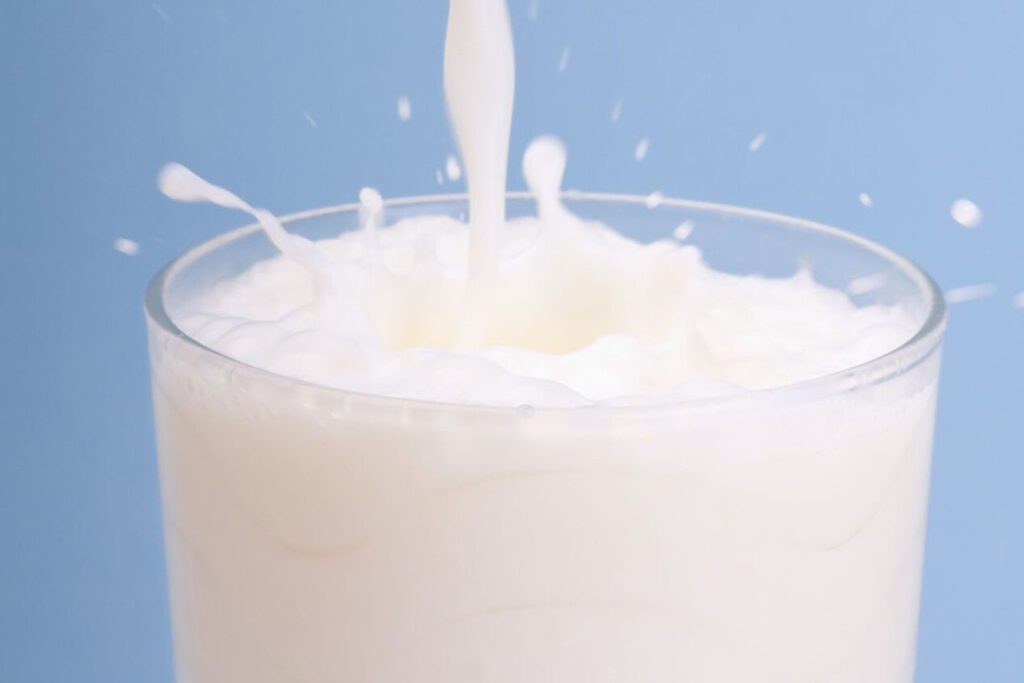
Zimbabwe’s dairy industry is on an upward trajectory, with raw milk production rising by five percent from 95 million litres in 2024 to 100 million litres during the same period this year. The sector is now confidently targeting 130 million litres by year-end, buoyed by improved weather conditions, increased government support, and stronger on-farm management practices.
According to newly released figures from the Dairy Services Unit, raw milk output grew from 94 839 463 litres by October last year to 99 640 520 litres over the same period in 2025. This stable upward trend has encouraged stakeholders to set even more ambitious projections. The Zimbabwe Association of Dairy Farmers (ZADF) expects production to exceed the initially planned 15 percent growth rate.
In an interview with the media recently, ZADF national chairman, Edward Warambwa, said the sector remains optimistic.
“Based on current production trends and anticipated benefits of favourable weather conditions, we are confident of achieving the targeted 130 million litres of milk,” he said.
He added that with proper management, even higher figures were within reach.
“If farmers implement effective management practices and make full use of improved grazing conditions, we may even exceed this target,” he said.
Warambwa highlighted the crucial role that recent rains have played in rejuvenating pastures across the country.
“Increased forage quality allows cows to access better nutrition, leading to improved milk yields. Water availability is also critical, as cows require sufficient drinking water to produce milk effectively,” he noted.
Improved pastures generally enhance feed quality, resulting in better milk composition, including increased fat and protein levels. However, he cautioned that overly lush pastures and wet conditions can create risks such as mastitis and tick-borne diseases.
“Farmers must ensure they maintain proper hygiene and cow comfort to guarantee high-quality milk production,” he said.
Warambwa also urged government to broaden its support mechanisms.
“Beyond the Presidential Silage Input Scheme, support must be expanded to include medium and large-scale farmers,” he said.
Government has already taken steps to boost milk production, offering incentives such as timely distribution of key inputs, promoting research in dairy genetics and disease management, improving access to affordable finance, supporting farm infrastructure upgrades, and encouraging green energy solutions on farms.
Deputy Minister of Lands, Agriculture, Fisheries, Water and Rural Development, Vangelis Haritatos, reaffirmed that these interventions are paying off.
“The results are showing. Production has continued to increase over the years,” he said.
He added that an investment of US$71.4 million is required to sustain the momentum, covering the procurement of breeding stock, cold chain systems, processing equipment, mechanisation, feed inputs, vaccines, dipping facilities and critical farm infrastructure such as paddocks and fencing.
Zimbabwe needs 131 million litres of milk annually to achieve full self-sufficiency. Any deficits are currently covered through imports of powdered milk and cheese. With production now rising steadily, the country is moving closer to bridging that gap and strengthening its dairy value chain.