Economic stakeholders yesterday presented a detailed analysis of the 2026 national budget to parliamentarians during a high-level post-budget seminar held at the New Parliament Building in Mt Hampden. The briefing set the stage for what is expected to be a robust budget debate next week, with proposed tax increases emerging as the most contentious issue.
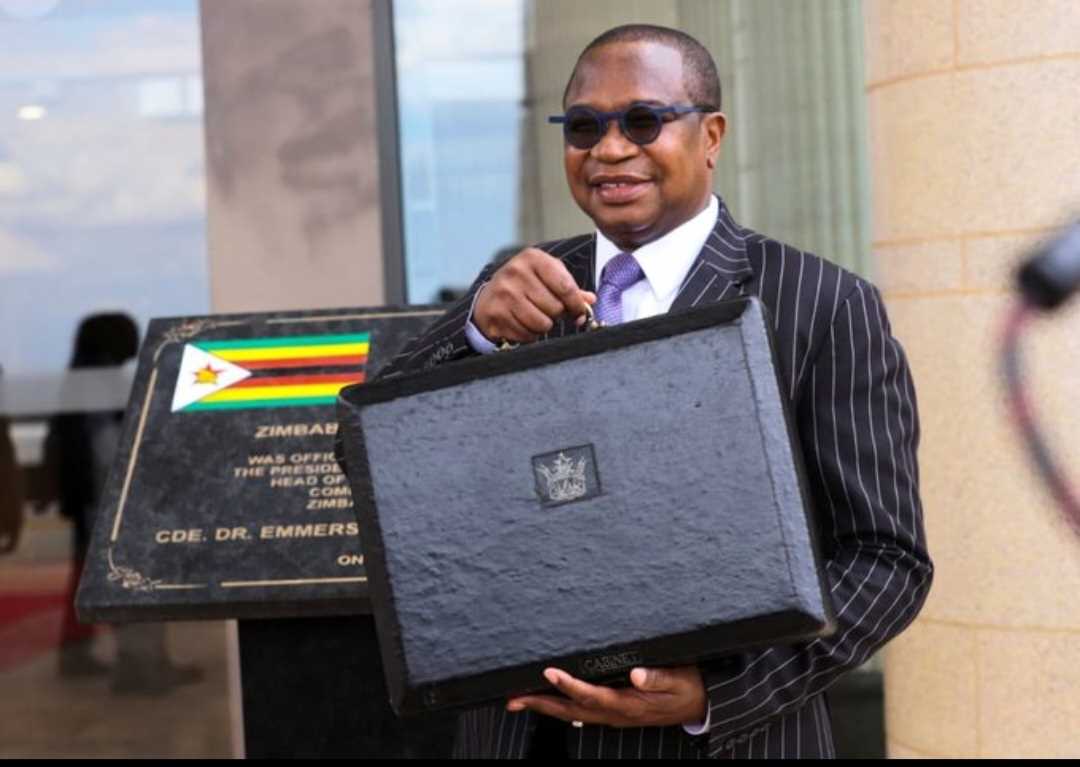
Finance and Economic Development Minister Professor Mthuli Ncube unveiled the 2026 national budget last week, prompting Parliament to invite experts to break down its provisions and assess whether it meets the expectations and needs of Zimbabweans. The multi-stakeholder discussion drew legislators from across the political spectrum, reflecting the national importance of the fiscal proposals.
At the centre of the debate were the new revenue enhancement measures, particularly the VAT increase and the introduction of a New Cash Withdrawal Levy, both of which analysts warned could significantly impact businesses and vulnerable segments of society.
“These adjustments and the New Cash Withdrawal levy are part of the revenue enhancement measures introduced by the Treasury to broaden the tax base. But they have to be balanced in terms of how they are going to impact business profitability and vulnerable groups,” said Zimbabwe Women’s Resource Centre Network Executive Director, Ms Thokozile Ruzvidzo.
Tax consultant Mr Steve Matoshaya noted that some proposals offered fair adjustments, including the modification of the IMTT to make it tax-deductible. However, he highlighted the Treasury’s decision to limit the carrying forward of mining losses to 30 percent, a measure he said was logical from a tax-efficiency standpoint.
The budget is framed within the 10-pillar National Development Strategy 2 (NDS2), and allocations made to key sectors were heavily scrutinised for their potential to stimulate economic growth. Legislators acknowledged positive steps in supporting essential services.
“The budget was very balanced in terms of bringing the much-needed growth that resonates with NDS2,” said Senator Robson Mavhenyengwa.
“Key sectors such as health and education were well funded, and the gender balancing initiatives speak well to the intentions of the budget,” added Honourable Nyasha Chikwinya.
Senate President Madam Mabel Chinomona, in her opening remarks, urged lawmakers to ensure that the budget reflects the aspirations of the people. “As you debate this budget, consider whether it grows the national cake and provides key services such as health and education,” she said.
Budget and Finance Committee Chairperson Lincoln Dhliwayo indicated that Parliament is now ready to proceed with the budget debate, following the clarity provided by consultants and the alignment with feedback from pre-budget consultations.
Zimbabwe is projected to register 6 percent economic growth this year, surpassing the Sub-Saharan Africa average of 4.4 percent. However, with a projected US$140 million budget deficit, Treasury has proposed new tax measures to bridge the financing gap and meet expenditure needs for 2026.
As the debate begins next week, the balance between raising revenue and protecting citizens will remain at the heart of Parliament’s deliberations.