As this agricultural season’s rains pound and pour, reports of hailstorms damaging crops such as tobacco and maize already abound. This points to the urgency of the need by farmers to insure their farming operations and save themselves from losses related to climate change disasters and other risks.
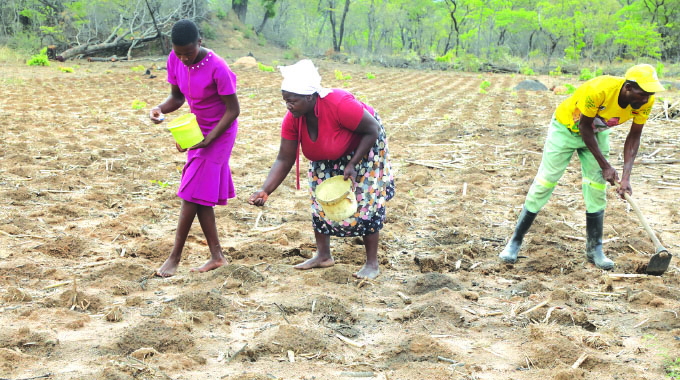
While the Government has registered significant achievements in attaining food security in terms of staple grains like maize and self-sustenance in wheat, the spectre of weather-related disasters is always lurking. This means that agricultural insurance is no longer the luxury that, in the past, was associated with the white former commercial farmers, who were generally viewed as able to afford the risk-mitigation intervention.
Agricultural insurance cover ensures financial stability and protection against weather-related disasters, theft, and the loss of livestock among many other perils.
It mitigates losses as farmers receive compensation for losses caused by events such as droughts, floods, storms, pests, and diseases, which can otherwise threaten their entire livelihood. Insurance cover also stabilises income. It assists in smoothing out income fluctuations that result from unpredictable agricultural cycles and disasters.
Additionally, having an insurance policy can act as collateral when borrowing from financial institutions. This improves farmers’ chances of accessing credit and loans loan facilities, which are necessary to grow and develop their agricultural operations.
Agricultural insurance policies can be tailored to cover specific risks relevant to a particular farm or region. In some programmes, payouts can be combined with other support, such as vouchers for essential inputs and services. Agricultural insurance also facilitates national production stability. When individual farmers are protected, they are more likely to maintain production, which can lead to more stable national food production averages.
From a business and operational point of view, insurance ensures business continuity. It allows farms to continue operating even after significant losses, maintaining its long-term viability. It encourages innovation. With a safety net in place, farmers may be more willing to invest in new technologies and farming practices that could otherwise be too risky.
Having an agricultural insurance in place provides peace of mind. Knowing that potential major losses are covered frees farmers’ minds to focus on their work without the constant worry of potential financial ruin from unforeseen events.
As farmers lose their crops every year to the vagaries of the harsh elements born of climate change-related disasters, Government has taken the lead in coming up with an initiative to address the losses.
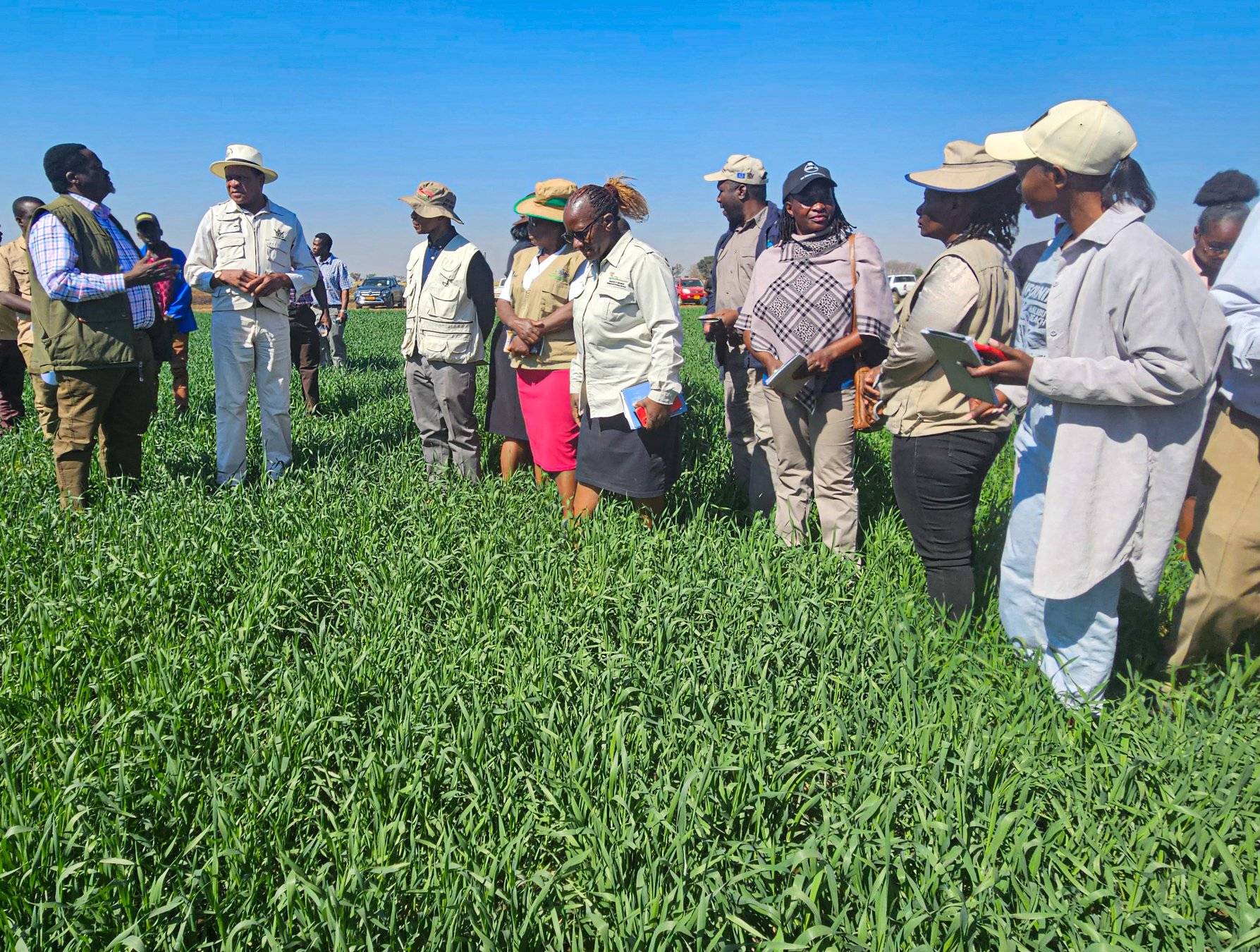
In October last year, the Ministry of Lands, Agriculture, Fisheries, Water, and Rural Development, working with key stakeholders set out to expand agricultural index insurance programme nationwide. Named the “Farmer’s basket,” the initiative aims to promote agricultural resilience by adopting a comprehensive insurance scheme meant for smallholder farmers.
This followed the successful piloting of the project involving 1 800 farmers in the Goromonzi District of Mashonaland East Province. It involved key stakeholders in the insurance and the agricultural sectors like the Insurance and Pensions Commission (IPEC), the Insurance Council of Zimbabwe (ICZ), Access to Insurance Initiative, the International Finance Corporation (IFC), the Insurance Brokers Association of Zimbabwe (IBAZ), the Women Farmers’ Land and Agricultural Trust (WFLA), the Zimbabwe Farmers’ Union (ZFU), and the World Food Programme (WFP).
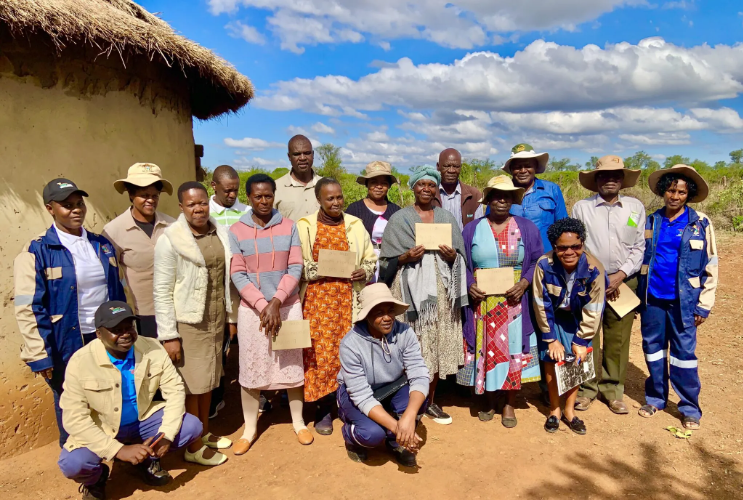
This initiative, which is termed the Climate Risk Agriculture Insurance Education Project, is very important in setting in motion the process of preaching the adoption of agricultural insurance, but more needs to be done by different stakeholders so that more and more farmers right down to the resettled farmer in Soti Source or Domborutinhira appreciates and adopts agricultural insurance to mitigate risks.
To lend momentum to this noble initiative, Government could offer tax rebates to insurers who offer affordable agricultural insurance policies to incentivise them to drive more insurance sales and offer cover to more farmers.
Government could integrate insurance products with credit or other agricultural input packages to encourage their adoption and reduce costs. For example, it should make it mandatory for all contract farming agreements to have agricultural insurance incorporated in them. The same should apply to the Government-sanctioned agreements between land holders and those who lease their land. The agreements should put the responsibility for securing agricultural insurance on the lessees.
Agricultural insurance adoption would also improve if Government rolls out and expands programmes like the Climate Risk Agriculture Insurance Education Project to increase awareness and adoption, with a focus on expanding successful models like the Farmer’s Basket insurance product to more provinces. Communication vehicles like the mainstream and social media, events such as field and days as well as spreading the word on the ground using agronomists’ meetings.
Insurance companies also have a responsibility to drive agricultural insurance as it benefits them as well. The effort would also enable them to contribute towards the national bid for food security and the mitigation of climate change-related risks. They could do this by sponsoring the various initiatives meant to promote the adoption of agricultural insurance. This could also include running own media columns and programmes for the same purpose.
They could consider revising insurance premiums to make them more affordable, particularly for small-scale farmers who find current rates too high. Insurance companies are known for their bureaucratic processes involved in successfully making an insurance claim. They should reduce the waiting period for the processing and paying out claims to build farmer confidence and a good reputation.
The insurance players should develop and offer comprehensive products which cover a wider range of risks, including drought and other climate-related challenges that affect farmers the most.
The Mutapa Investment Fund-owned AFC Insurance should be resourced, primed and prepared to lead the charge in this regard. The company should be a torch bearer in ensuring that no resource or effort is spared in ensuring that agricultural insurance is demystified, made affordable and widely adopted.
If these strategies are adopted and implemented, Zimbabwe will achieve its bid for food security. The increased adoption of agricultural insurance would also contribute significantly to Government’s wish for farmers to run their agricultural operations as businesses. This would generally improve the country’s agricultural sector.