Punters in Zimbabwe will now have a quarter of their winnings withheld immediately at payout under a new tax regime that came into effect this week following the promulgation of the Finance Act.
Under the new rules, all gaming operators including sports betting firms, casinos and lottery providers must deduct 25 percent of a punter’s gross winnings before paying out the balance.
For example, if a punter wins US$20, US$5 will be withheld as tax, and the punter will receive US$15. The withheld amount must then be remitted to ZIMRA.
The Finance Act, signed into law by President Mnangagwa, states:
“Every gaming operator shall withhold twenty-five per centum of the punter’s gross winnings or aggregate gross winnings… and shall, no later than the tenth day of the month following the month in which the gaming operator paid out those winnings, pay to the Commissioner the punters’ tax due from such punter.”
The law designates operators as the primary tax collection agents, requiring them to submit a detailed return for each winning punter by the 5th of every month and remit all withheld taxes by the 10th.
The returns must specify the punter’s gross winnings and the tax deducted.
In addition to taxing punters, the new law also imposes a 20 percent tax on the gross monthly takings of gaming operators. This tax is treated as final and must also be paid to ZIMRA by the 10th of each month. Operators must submit their monthly returns by the 5th.
ZIMRA is empowered to recover unpaid gaming and punters’ taxes as debts owed to the State. Penalties equal to the value of the unpaid tax may be imposed for non-compliance, although these can be waived if the operator proves the failure was not deliberate.
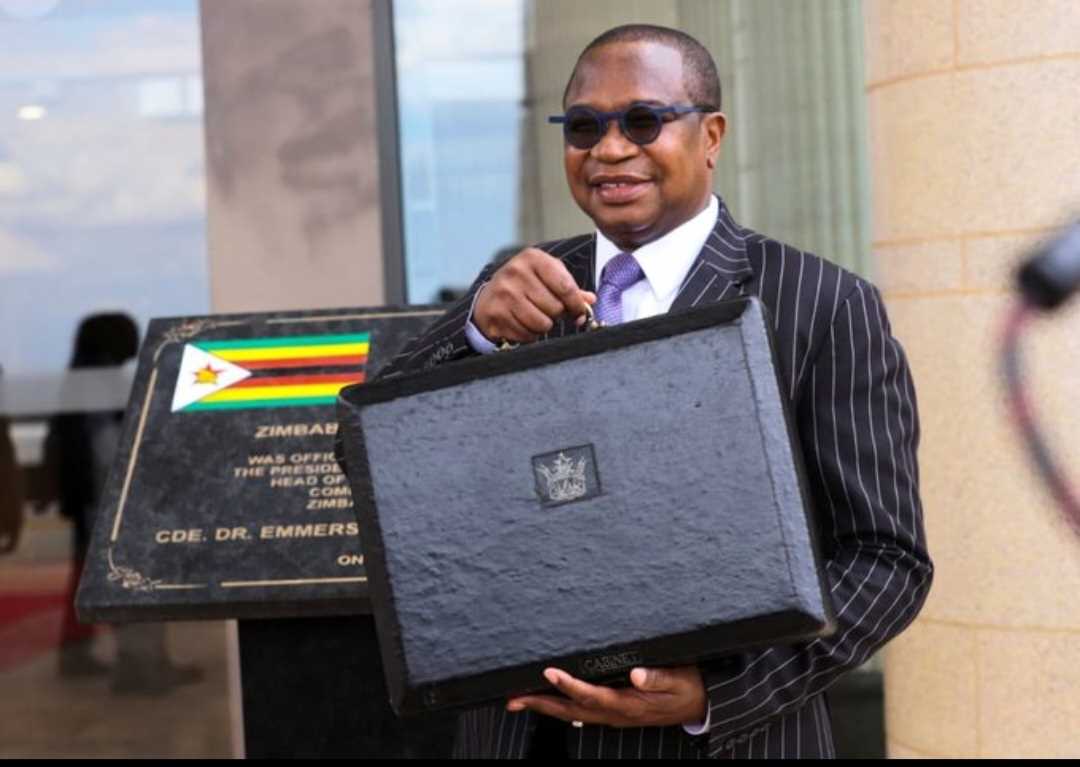
Finance, Economic Development and Investment Promotion Minister, Professor Mthuli Ncube, announced the tax changes during the presentation of the 2026 National Budget. He said the measures were necessitated by the rapid expansion of Zimbabwe’s betting and gambling industry and the need to strengthen regulation and revenue collection.
He noted that betting activity had increased sharply, with preliminary industry data showing 8 to 10 percent annual revenue growth between 2023 and 2024. However, he raised concerns about the rise in gambling-related social harms such as addiction, indebtedness, suicide and reduced productivity.
Ncube also highlighted widespread profit-shifting and under-declaration of revenue within the sector, which has resulted in significant under-taxation despite its rapid expansion.
Aligning Zimbabwe’s approach with international norms, he explained that betting and casino operators globally are typically taxed at 15 to 30 percent of turnover. This has prompted the Government to increase the Bookmakers Tax from 3 percent to 20 percent and the punters’ tax from 10 percent to 25 percent.
Government anticipates that collecting the taxes directly at source through licensed operators will enhance compliance and substantially raise revenue.
In recent years, Zimbabwe’s betting and gaming industry has transformed into one of the most visible and fast-growing segments of the leisure economy. What began as traditional sports betting and limited casino activity has evolved into a vibrant digital and retail wagering ecosystem engaging millions of participants, especially youth.
Football betting remains the sector’s most dominant activity, drawing widespread participation across the country.