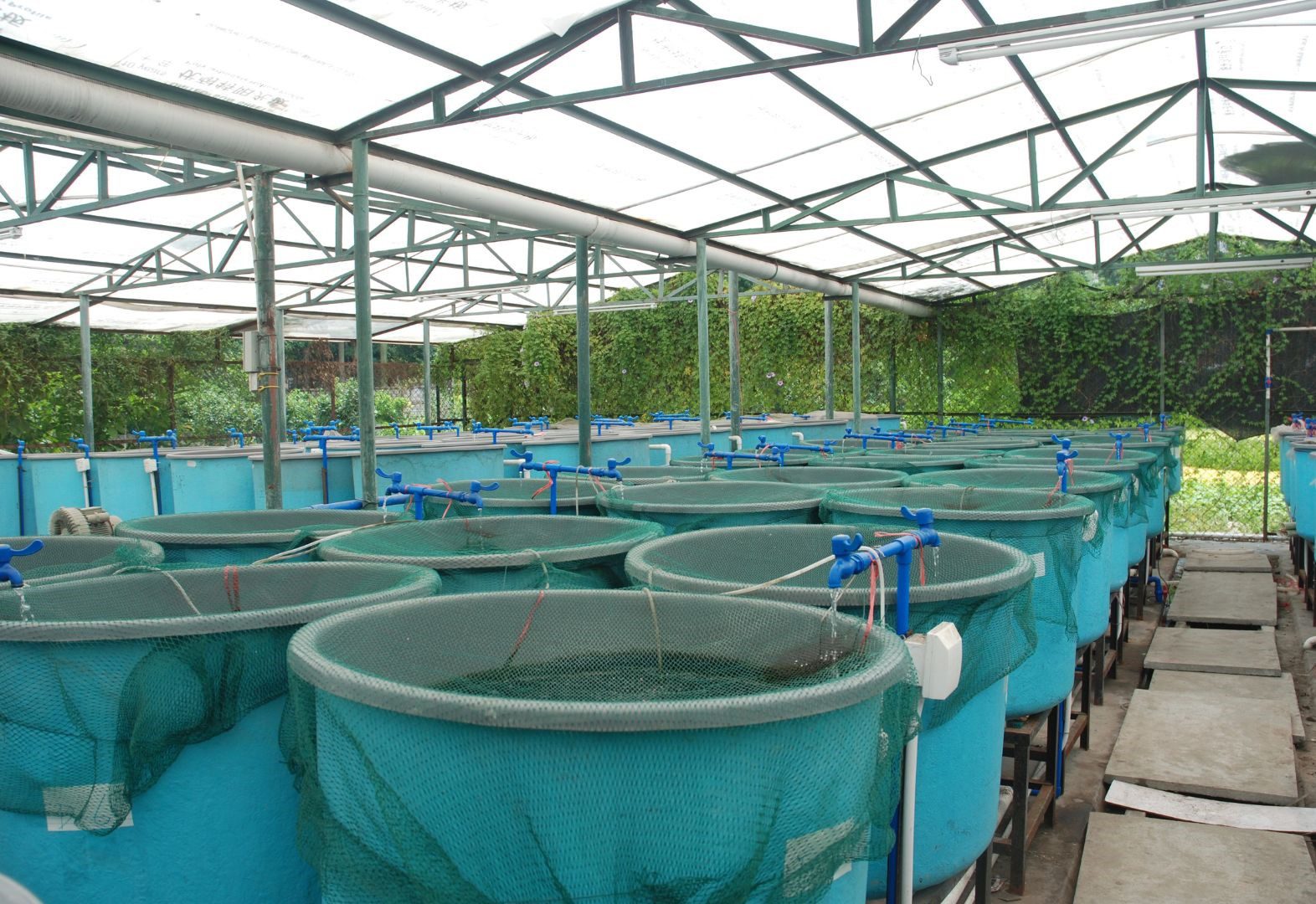
Government has made significant progress in transforming the aquaculture sector through the adoption of precision fish breeding systems, with improved access to quality fingerlings expected to boost rural incomes and enhance national food security.
Speaking at the End-of-Project Workshop for the Technical Cooperation Programme (TCP), held at the Great Zimbabwe Hotel, Director of the Fisheries and Aquaculture Resources Production Department (FARD), Milton Makumbe, said the programme marked a shift from unpredictable fish farming practices to a more structured and sustainable production model.
“For many years, fish farmers relied on fingerlings collected from rivers and dams, with no guarantee of growth or productivity. The focus has been to decentralise supply and ensure farmers can access reliable, high-quality breeding material,” he said.
A 2021 tilapia value chain analysis showed that about 80 percent of fingerlings previously used in Zimbabwe came from unreliable water bodies, limiting the growth of the aquaculture industry and increasing biosecurity risks.
The programme strengthened production at three fishery hubs: Henderson in Mashonaland Central, Matopos in Matabeleland South, and Makoholi in Masvingo. At Matopos and Makoholi, five new ponds were constructed at each site, creating a projected annual capacity of more than 3,5 million fingerlings per facility.
Early production has already begun at Matopos, where over 8 000 fries have been produced. Boreholes at the upgraded sites were solarised to ensure a consistent water supply and stable breeding conditions.
The revitalisation of Makoholi Fisheries Unit was highlighted as a major milestone, with the facility now serving as a key supplier for the Presidential Community Fisheries Scheme, reducing costs for farmers and improving access to quality seed.
“Makoholi is no longer an underutilised facility. It is now a centre of production that is creating opportunities for rural communities, particularly youths and women,” he said.
Beyond infrastructure, the programme also focused on skills development, including regional exposure to best practices in fish genetics and nutrition. Plans are underway to introduce specialised short courses in advanced aquaculture breeding to sustain the gains.
The initiative is expected to contribute towards the goal of building a US$1 billion fish economy by 2030, in line with National Development Strategy 1 (NDS1) and broader rural development objectives.
Officials said the shift towards precision aquaculture positions Zimbabwe’s more than 10 000 dams as viable food production hubs, strengthening livelihoods and national food security.