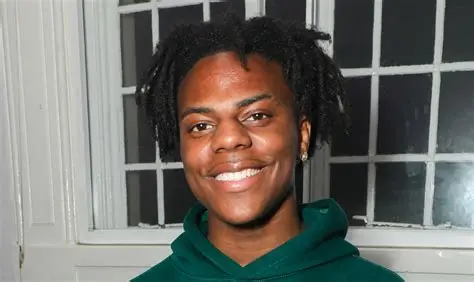
The visit to Zimbabwe by American YouTuber and global internet sensation IShowSpeed has thrust the nation into the international digital spotlight, showcasing the growing power of online creators in shaping global perceptions of countries, cultures and destinations.
During a fast-paced tour of Harare, yesterday, the 20-year-old content creator blended cultural immersion, spontaneous public interaction and high-energy spectacle, drawing massive crowds and generating viral attention across platforms.
His tour began at the Mbuya Nehanda statue, a revered national monument, where he received a culturally rich welcome. Dressed in a customised Warriors jersey, IShowSpeed was honoured with Shumba totem salutations and treated to a live mbira performance by Hope Masike, supported by guitarist Silent Nqo and local creator Chief Ben. The stop offered a moment of cultural reflection amid an otherwise dynamic outing.
From there, he moved into Harare’s Central Business District, engaging directly with the public along Julius Nyerere Way. In a spontaneous moment that electrified the crowd, the YouTuber accepted a challenge to a short foot race, causing brief disruptions to traffic as fans poured into the streets. The clip, widely shared online, strengthened the sense of authenticity and connection that defines his global appeal.
The tour concluded at the Trabablas traffic interchange, where IShowSpeed faced off in a strength challenge against Africa’s Strongest Woman, Chido Maenzanise. The contest which featured tyre flips and vehicle pulls offered striking visual content that has since circulated internationally, further boosting Zimbabwe’s digital visibility.
Beyond the excitement, the visit underscores a deeper shift: the convergence of global digital culture with local identity. With millions of followers, IShowSpeed’s presence, in Harare, has introduced Zimbabwe to new audiences who may previously have had little exposure to the country’s culture, infrastructure or urban energy.
For tourism agencies, creatives and cultural institutions, the visit highlights the potential of influencer-driven visibility to complement traditional destination marketing. At the same time, it raises important considerations on managing spontaneous mass gatherings in an era where a single online personality can mobilise thousands in minutes.
Zimbabwe’s embrace of global digital culture anchored by moments like this, signals a new frontier in how nations engage international audiences and project soft power in the digital age.