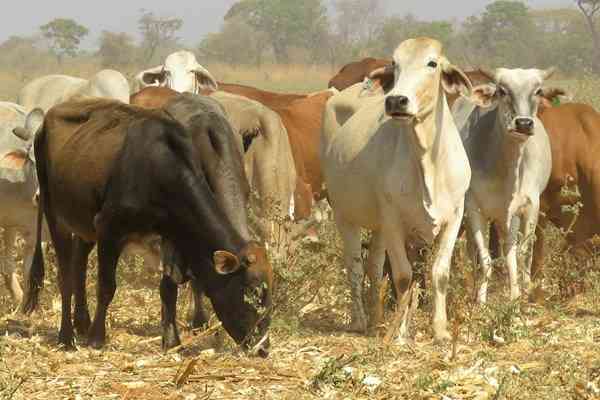
The Ministry of Lands, Agriculture, Fisheries, Water, and Rural Development, has urged farmers have to intensify tick control measures to protect their cattle from January Disease (Theileriosis), as the 2026 rainy season continues.
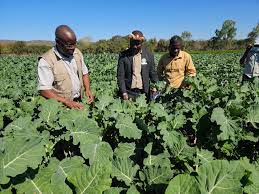
Agricultural Extension Officer, Makiwa Manaka, said consistent dipping and early reporting of suspected cases were critical in preventing outbreaks.
“Farmers must adhere to compulsory weekly dipping during the rainy season as required by Government policy. Failure to dip cattle not only exposes herds to January Disease but is also an offence under the Animal Health Act,” said Manaka.
Manaka explained that in high-risk areas or where outbreaks have been recorded, veterinary authorities have recommended an intensified 5:5:4 dipping regime to curb tick populations, while encouraging farmers to apply tick grease to sensitive areas such as the ears, udder and under the tail.
He added that, farmers should closely monitor their animals for symptoms including swollen lymph nodes, loss of appetite, breathing difficulties, watery or cloudy eyes, fever and lethargy.
“Any suspected case or sudden death must be reported to the Department of Veterinary Services within 24 hours. Delays in reporting allows for the disease to spread rapidly, especially where animal movement is not controlled,” he said.
Farmers were also advised to quarantine sick or heavy tick-infested animals to limit transmission within and between herds.
Meanwhile, vaccination remains an important preventive measure, with the locally produced BOLVAC vaccine available through Government veterinary offices.
The Ministry reiterated that effective tick control, early detection and prompt reporting remain the most reliable ways of safeguarding the national herd against January Disease.