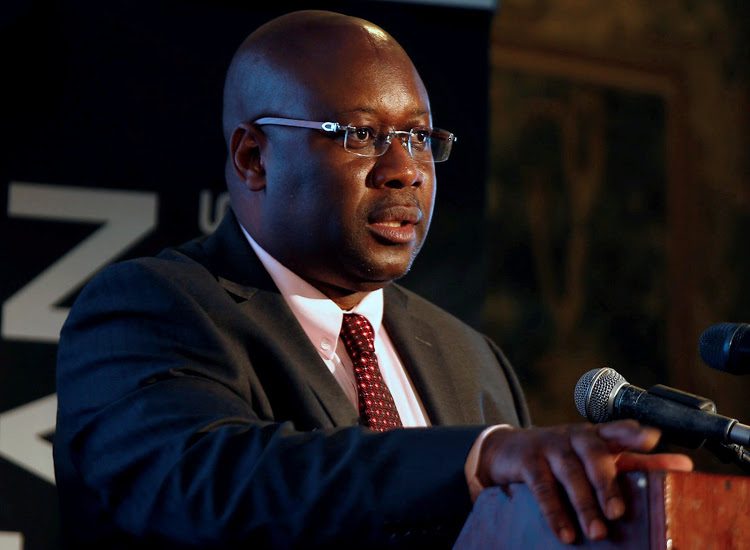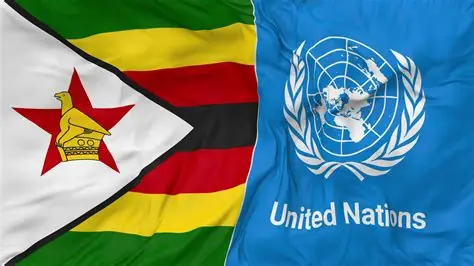
Zimbabwe and UN Women have reaffirmed their commitment to strengthening gender-responsive diplomacy, international trade and peacebuilding following a high-level engagement between the Minister of Foreign Affairs and International Trade, Professor Amon Murwira and the United Nations Assistant Secretary-General Ms Nyaradzayi Gumbonzvanda.
Speaking after the meeting, yesterday, Ms Gumbonzvanda said the United Nations remained honoured to partner Zimbabwe in its international and multilateral commitments, particularly those focused on the empowerment, equality and rights of women and girls.
“The United Nations is honoured to work with Zimbabwe as it continues to play a principled role in multilateralism, peace and development. These are the very foundations upon which the UN was built, and Zimbabwe has consistently demonstrated leadership in this regard,” she said.
On gender-responsive diplomacy and trade, Ms Gumbonzvanda highlighted Zimbabwe’s advocacy for women’s economic empowerment through international trade frameworks, citing the Next She Exporter Incubation Programme spearheaded by ZimTrade as a key intervention enabling women-owned businesses to access global markets.
“Gender equality will not be achieved if women do not have access to income, livelihoods and markets. Programmes such as Next She Exporter are critical because they enable women to trade competitively and sustainably,” she said.
She pointed to Zimbabwean products gaining international visibility as tangible examples of trade-driven empowerment.
“Whether it’s the Zimbabwean blueberries I saw in Senegal, the United States and Singapore, or emerging products like Mapfura wine produced here at home, it is about trading what we have and ensuring women benefit from those opportunities,” Ms Gumbonzvanda said.
Addressing Women, Peace and Security, she said UN Women remained anchored on UN Security Council Resolution 1325, noting that Zimbabwe already has a National Action Plan that should be more strongly articulated at national, regional and global levels.
She outlined conflict prevention, women’s participation in peace processes, post-conflict healing and Zimbabwe’s leadership within SADC and the African Union as key pillars.
“Women must be part of peace committees locally, nationally and globally. This is part of the 50–50 commitment under the Sustainable Development Goals,” she said.
Ms Gumbonzvanda also commended Zimbabwe’s efforts to align culture with gender equality, citing the role of traditional leaders whose commitments are now being scaled regionally and globally.
“Advancing positive cultural values through diplomacy is a powerful tool that strengthens both national identity and global commitments,” she said.
The meeting reaffirmed the strong partnership between Zimbabwe and UN Women, with both sides committing to deepen collaboration in diplomacy, trade and peacebuilding to ensure women and girls remain central to national, regional and global development agendas.