Food poisoning caused by Salmonella is a common illness, often marked by symptoms like nausea, stomach cramps, and vomiting. It usually occurs after consuming contaminated food without realizing it. The good news is that Salmonella infections can often be prevented with proper knowledge and precautions.
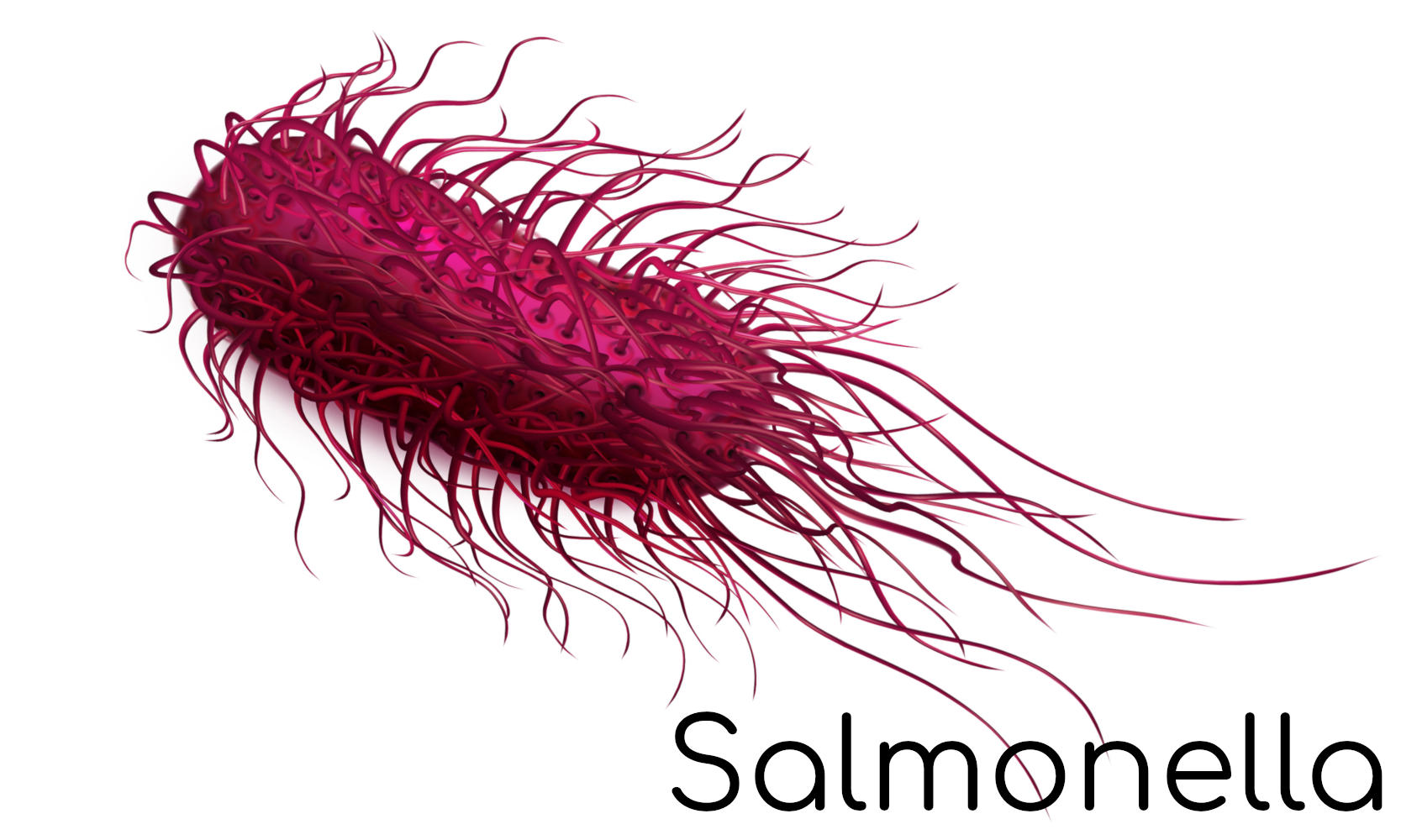
When you’re sick with diarrhea and stomach pains, it’s typically a salmonella infection. It comes from the Salmonella bacteria and is the most common form of bacterial food poisoning.
What happens if you get salmonella?
If enough bacteria get past your stomach acid and immune system, it can make you sick. The Salmonella bacteria actually invade and destroy cells lining your intestines which is why it’s difficult for your body to absorb water. From this, you can have stomach cramps and/or diarrhea.
Who is at a higher risk for salmonella?
While anyone can get salmonella, certain people might be at a higher risk of infection or serious illness. It can depend on your age and living conditions, as well as certain illnesses and medications. For example, you might be at a higher risk if you are under the age of five, or if you live and work around high-risk animals. Additionally, if you have inflammatory bowel disease (IBD), that can make an infection easier to contract. If you are over 65 years old or under the age of 12 months, you can be at a serious risk for salmonella poisoning. If you also have a compromised immune system or sickle cell disease, further complications can occur.
Common causes
Different types of food can have salmonella outbreaks. This includes everything from peanut butter to packaged meats and even to frozen foods and produce.
Salmonella poisoning symptoms
With salmonella, you may have varying symptoms such as diarrhea that is sometimes bloody, fever, stomach pains, or cramps. Other symptoms might include nausea, vomiting, and a headache. It’s possible to have only some or all of the symptoms. Not every case of salmonella infection will cause vomiting. Sometimes you might only have diarrhea and a fever.
Causes of salmonella
Salmonella happens when more Salmonella bacteria get into your body than it can handle and destroy. This leads to an infection that causes the fever, diarrhea, and stomach issues previously mentioned.
Where does salmonella bacteria live?
Salmonella bacteria live in the gut of humans and animals. However, things we touch, eat, and drink might also be contaminated. Items like raw eggs, egg shells, raw red meat, seafood, and poultry are all possible carriers of salmonella. Other places you might find salmonella include fruits and vegetables, unpasteurized milk or cheese, untreated water, and more.
How do you get salmonella?
You can get salmonella by eating undercooked meat, poultry, seafood, or eggs. You can also get it by consuming contaminated fruits and vegetables. If you don’t wash your hands while preparing food and before eating, this could lead to contamination. Salmonella can come from animals or people who are infected. When you touch an animal and then touch your face or mouth, you can transmit the bacteria. It’s not only frogs, toads, or birds that might have salmonella, pets such as dogs, cats, and small animals might also.
How is salmonella treated?
Usually, salmonella isn’t treated with medication, however, if you’re severely ill or at high risk for complications then your doctor might use antibiotics. Additionally, if your diarrhea is severe, you might need hospitalization.
Drinking lots of fluids is the best way to prevent dehydration. Beverages that can keep you hydrated include water, sports drinks, broth, and Pedialyte. Usually, salmonella will go away on its own after a few days of symptoms. Be sure to drink fluids to avoid further complications.
If you’re sick, don’t cook or prepare food for others. Always wash your hands with soap and water after using the restroom as well as before and after preparing food or eating. Ensure you’re washing food prep and eating surfaces before and after meals. Also, avoid handling other foods when working with raw meat, poultry, seafood, or eggs. Never drink untreated water or prepare food with it. If you’re unsure (if for example, you’re traveling) use bottled water to drink and cook with.
Salmonella symptoms usually last four to seven days. If you find your symptoms aren’t improving, consult a medical professional. Salmonella in your bloodstream, known as bacteremia, can start infecting other organs and tissues. Subsequently, your bones, joints, the lining of your heart, or brain can become inflamed. It can also lead to sepsis.
starinsider.com