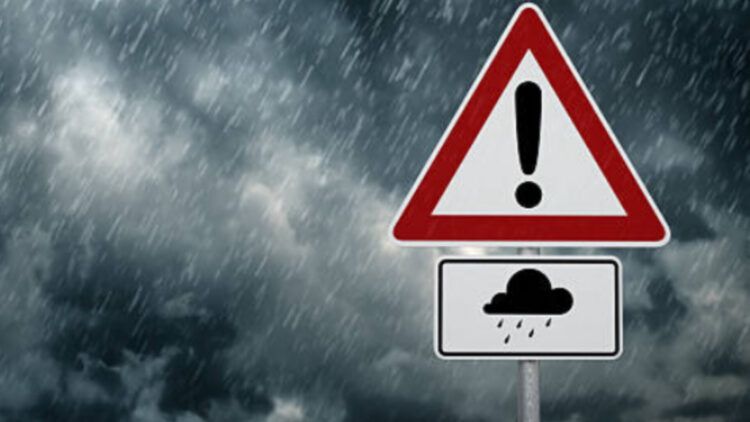
Government has placed disaster response agencies on high alert as heavy rains forecast across the country raise fears of widespread flooding, amid rising concern over loss of life recorded since the start of the rainy season.
The Meteorological Services Department (MSD) has warned that Zimbabwe is expected to experience intense rainfall, strong winds and frequent thunderstorms from Tuesday through to the weekend. Some areas could receive more than 50 millimetres of rain within 24 hours.
In an interview with the media yesterday, Chief Forecaster, James Ngoma said the developing weather system, influenced by low-pressure zones to the north and south of the country, may overwhelm drainage networks, river channels and dams, increasing the likelihood of flash floods.
“Intense rainfall over short periods is now occurring more frequently. This high alert is not meant to cause panic, but to ensure people respond quickly. Flood-prone areas, river basins and wetlands in all provinces are at risk,” Ngoma said.
He added that hazardous road conditions, reduced visibility, landslides and rockfalls were likely in areas already saturated by persistent rains, warning that neighbouring South Africa and Mozambique have also recorded flood-related fatalities in recent days.
Although the rains have boosted hopes for a strong agricultural season, urban areas have suffered significant damage, with suburbs including Chitungwiza and Glen View reporting flash floods that have affected homes and property.
Civil Protection Department Chief Director Nathan Nkomo said 78 people have died nationwide since October last year, mainly due to drownings and lightning strikes.
“Many of these deaths are preventable. People continue to cross flooded rivers, streams and storm drains despite repeated warnings,” Nkomo said.
He added that children, motorists and pedestrians remain particularly vulnerable, stressing that flooding is no longer confined to rural communities.
“Even towns are at risk. Local authorities must clear storm drains, and residents in wetlands should be aware that water will always follow its natural course,” he said.
With memories of Cyclones Idai and Elaine still fresh, authorities are also monitoring Cyclone Dudzai, which forecasters say may affect parts of the Southern African region.
Officials also warned that climate change is making rainfall patterns more unpredictable and urged the public to remain vigilant, follow official advisories and prioritise safety as the rainy season intensifies.