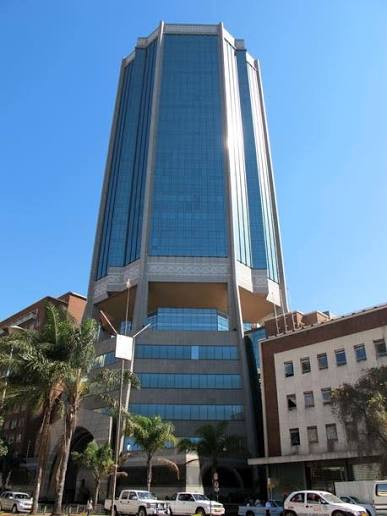
Zimbabwe’s inflation is projected to fall into single digits in the first quarter of 2026, Deputy Governor of the Reserve Bank of Zimbabwe (RBZ), Dr Innocent Matshe, said today, during the Zimbabwe Economic Pulse briefing at the Harare International Conference Centre.
Dr Matshe said the disinflationary trend is expected to continue, with the RBZ calibrating monetary and financial conditions to support economic growth while maintaining price stability.
“The disinflationary path is expected to continue stabilising and reach single digit in the first quarter of 2026. Monetary and financial conditions will be calibrated in 2026 to underpin the envisaged growth of upwards of 5%. The RBZ remains vigilant and responsive, calibrating its monetary policy stance to balance price stability,” he said.
Dr Matshe added that the RBZ remained vigilant and responsive to evolving economic conditions and would adjust policy as needed. He also explained that the Bank would focus on sustaining low and stable inflation through a set of monetary measures.
“The Reserve Bank will continue to calibrate its monetary policy to sustain low and stable inflation through positive real interest rates, increased national savings, accumulation of foreign exchange reserves, and the deepening and broadening of financial and capital markets.The RBZ remains vigilant and responsive” he said.
Similarly, Gift Mugano, Director at Africa Economic Development Strategies (AEDS) and renowned economic analyst, said the measures being discussed were aligned with global best practices and not local inventions.
“The measures being discussed are aligned with global practices and are not ideas that have been invented locally. An efficient foreign currency exchange management system is needed to eliminate market segmentation and ensure that importers could easily access foreign currency for all legitimate import requirements,” he said.
Mugano also emphasised the need for strong fiscal and monetary coordination between the Treasury and monetary authorities.
“Fiscal and monetary coordination requires close collaboration between the National Treasury and monetary authorities. The Reserve Bank should focus solely on monetary issues while fiscal matters are handled by fiscal authorities,” he said.
The RBZ has maintained a tight monetary stance to curb inflation while supporting financial sector reforms aimed at deepening and broadening markets. Government efforts to improve foreign exchange management and ensure access to foreign currency for legitimate importers remain key priorities.