Zimbabwe, yesterday, stepped up efforts to deepen its integration into the global tobacco value chain after Foreign Affairs and International Trade Minister, Professor Amon Murwira, held strategic talks with Philip Morris International (PMI) on the sidelines of the World Economic Forum in Davos, Switzerland.
During the engagement, Prof Murwira said Zimbabwe attaches great importance to sustained dialogue with leading international corporations, particularly in sectors that are critical to the country’s economic performance and export growth.
“I wish to express my appreciation to Philip Morris International for facilitating this engagement. Collaboration with international tobacco companies remains critically important to Zimbabwe, given the central role tobacco plays in our economy,” he said.
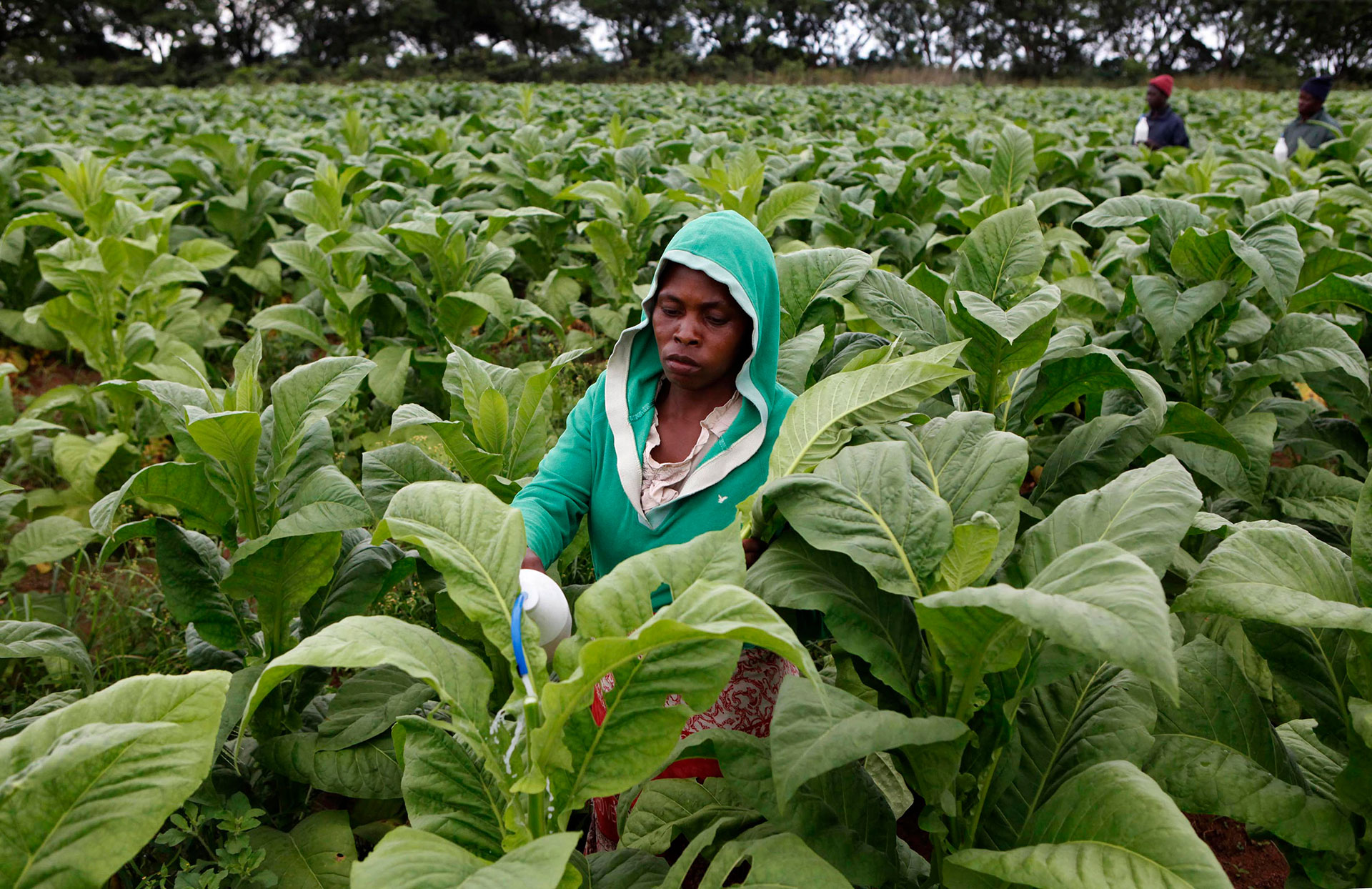
He noted that tobacco remains one of Zimbabwe’s top foreign currency earners and a key source of livelihoods, especially for rural communities.
“As the largest tobacco producer in Africa, Zimbabwe’s socio-economic stability and our rural development agenda are closely tied to the sustainability and growth of the tobacco sector.
“Any meaningful partnership that strengthens this value chain has direct implications for incomes, employment and national development,” Prof Murwira added.
The Minister said Zimbabwe has, in recent years, embarked on broad-based economic reforms and major infrastructure upgrades aimed at improving the investment climate.
“We are implementing extensive reforms designed to enhance the ease of doing business, strengthen policy predictability and create an enabling environment for both domestic and foreign investors.
“These efforts are deliberate and targeted at positioning Zimbabwe as a competitive and reliable investment destination,” he noted.
Prof Murwira reaffirmed that Zimbabwe’s engagement with PMI is firmly anchored within multilateral frameworks, including the World Health Organisation Framework Convention on Tobacco Control and the Protocol to Eliminate Illicit Trade in Tobacco Products.
“Zimbabwe values collaboration with PMI, particularly in lobbying efforts that galvanise international support for the positions of tobacco-producing countries.
The developmental realities of producer nations must be adequately reflected in these global processes,” the Minister added.
He stressed that Zimbabwe remains fully committed to World Health Organisation public health frameworks.
“Our approach is grounded in evidence-based policymaking, transparency and constructive multilateral engagement. We continue to balance public health imperatives with economic development needs, ensuring policies are informed by science, data and inclusive dialogue,” Prof Murwira said.
The Minister also welcomed PMI’s research and innovation aimed at reducing the harmful effects associated with cigarette combustion.
“Such initiatives align with global calls to reduce health risks while supporting a gradual and responsible transition within the tobacco sector,” he said.
Looking ahead, Prof Murwira said Zimbabwe hopes PMI will procure tobacco directly from the country as production expands.
“Zimbabwe is targeting an output of 500 million kilogrammes this season as part of our vision to build a USD 7 billion tobacco industry by 2030,” he said.
Government is intensifying engagement with global tobacco firms and multilateral platforms to protect producer interests, expand direct market access and support its target of transforming the sector into a USD 7 billion industry by 2030.