Zimbabwe’s domestic currency annual inflation rate has fallen to single-digit levels for the first time since 1997, signaling what authorities describe as strengthening macroeconomic stability under the Second Republic.
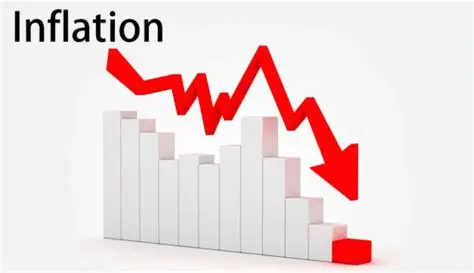
Figures released by the Zimbabwe National Statistics Agency (ZIMSTAT), on Monday, show that year-on-year domestic currency inflation declined from more than 85 percent in April 2024 to 4.1 percent by January 2026.
ZIMSTAT attributes the sharp decline to tighter fiscal and monetary controls, improved price stability, increased production and the narrowing gap between official and parallel market exchange rates.
In an interview with the media, ZIMSTAT Director-General, Tafadzwa Bandama, said the latest figures reflect a sustained deceleration in inflation following the introduction of the ZiG currency in April 2024.
“The figures released show that annual ZiG inflation declined from 15 percent in December to 4.1 percent in January 2026. Furthermore, annual inflation in United States dollar terms also fell from 12.4 percent in December 2025 to one percent in January 2026,” she said.
Bandama also noted that slowing inflation does not mean prices are declining.
“Inflation refers to the general increase in the price level of goods and services. A decline in inflation means prices are rising at a slower pace, not that prices are decreasing,” she explained.
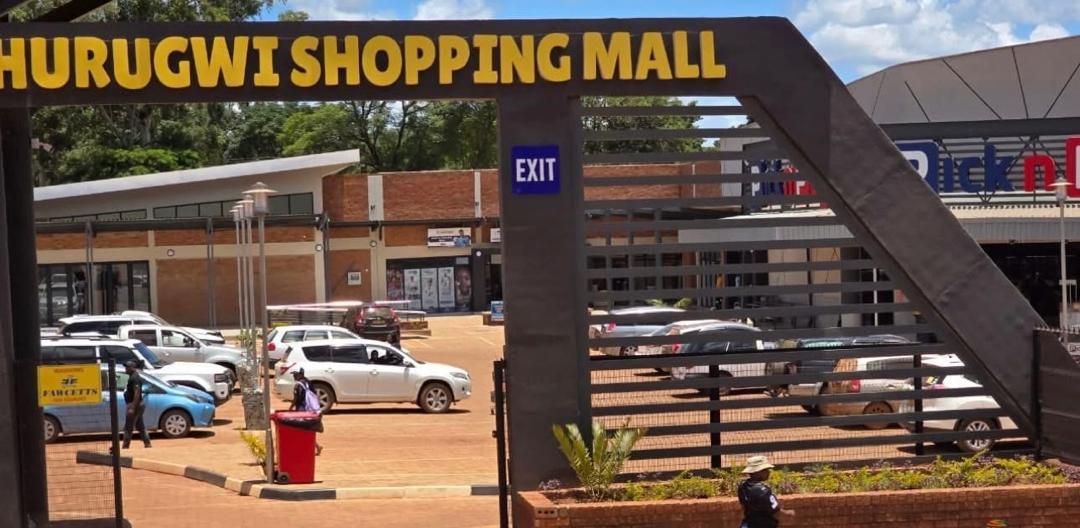
Consumers say the stability has restored confidence and predictability in the market.
“It is good because these days you can plan properly and make informed decisions,” said one consumer.
Another shopper welcomed the end of panic buying.
“We are happy because prices are stable. There is no longer panic buying, and I can save money and buy when I need to,” the consumer said.
Others said the trend has strengthened faith in the domestic currency.
“It has given us confidence as consumers because our local currency now has purchasing power,” said another shopper.
With the latest data placing Zimbabwe among the few Southern African Development Community (SADC) economies experiencing relatively stable inflation conditions, authorities say policy consistency remains critical.
President Emmerson Mnangagwa has previously reaffirmed Government’s commitment to maintaining prudent fiscal and monetary discipline to consolidate stability.
“The tight monetary and fiscal environment has remained supportive of sustained economic activity. Government continues to implement the necessary policies, measures and initiatives to maintain ZiG currency stability and contain inflation. Going forward, macroeconomic stability is expected to become the norm,” the President said.
The easing of inflation pressures at the start of the year has also fuelled optimism for increased economic activity across industry and commerce, as Zimbabwe targets a five percent economic growth rate in 2026, down slightly from over six percent last year, in line with the National Development Strategy 2 (NDS2)’s goal of consolidating macroeconomic stability.