
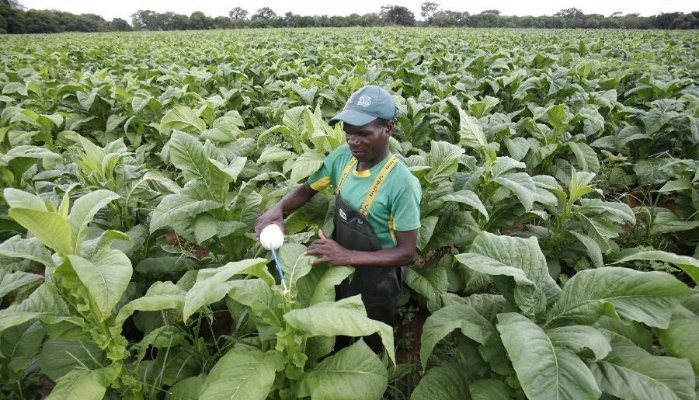
Zimbabwe is rolling out the Tobacco Value Chain Transformation Strategy II (2026–2030), a policy framework aimed at increasing tobacco production from 355 million kilograms to 500 million kilograms by 2030 while building a US$7 billion industry anchored on value addition and market expansion.
Speaking in Harare, yesterday, Chief Director for the Directorate of Research, Dr Dumisani Kutywayo, said the strategy marks a decisive shift from volume-driven growth to a more sustainable, value-focused model.
“The Tobacco Value Chain Transformation Strategy II is designed to fundamentally reposition Zimbabwe’s tobacco sector.
We are moving beyond simply increasing output. The emphasis is now on value addition, diversified markets, research and development, and long-term sustainability,” Dr Kutywayo added.
He said the strategy targets not only production growth but also enhanced farmer incomes and broader economic benefits.
“Our goal is to grow production from 355 million kilograms to 500 million kilograms by 2030. But more importantly, we are working towards building a US$7 billion tobacco industry that generates higher returns for farmers, creates employment, and increases national value,” he said.
Dr Kutywayo underscored the importance of value addition, noting that Zimbabwe has historically exported a significant portion of its tobacco in raw form.
“For many years, Zimbabwe has been known as a producer of high-quality leaf tobacco. However, exporting raw tobacco limits the full economic potential of the sector. Strategy II prioritises local processing, beneficiation, and manufacturing so that more value is retained within the country,” he said.
Market diversification, particularly within Africa and Asia, was identified as a central pillar of the strategy.
“We are actively pursuing expanded access to African and Asian markets. These regions present significant growth opportunities, and diversifying our export destinations reduces vulnerability to external shocks,” Dr Kutywayo said.
He added that research and innovation would play a critical role in improving productivity and resilience.
“Research and development will drive the next phase of growth. We are focusing on improved seed varieties, climate-smart practices, and technologies that enhance efficiency while reducing environmental impact,” he said.
Sustainability, he stressed, remains non-negotiable.
“A thriving tobacco sector must also be a sustainable one. Strategy II integrates environmental stewardship, responsible production practices, and social considerations to ensure long-term viability,” Dr Kutywayo said.
Tobacco remains one of Zimbabwe’s leading agricultural export earners, supporting thousands of farmers and contributing significantly to foreign currency inflows.
The Tobacco Value Chain Transformation Strategy II builds on earlier reforms aimed at strengthening the sector, with Government seeking to maximise economic returns through value addition, industrialisation, and market expansion.